Navigating the world of skincare when you have sensitive skin can feel like walking through a minefield. One wrong ingredient can trigger a cascade of redness, itchiness, and frustration. But what if the solution wasn't just about avoiding harsh chemicals, but actively embracing ingredients that calm, strengthen, and support your skin's delicate barrier? True sensitive skincare goes beyond the 'free-from' list; it's about a 'full-of' philosophy. It is a routine full of nurturing, science-backed botanicals and vitamins that work with your skin, not against it.
This guide cuts through the marketing noise to spotlight the best ingredients for sensitive skin. We'll move beyond generic advice and delve into the specifics. You'll learn the science behind why these ingredients are so effective and discover how to find them in your products for a complexion that feels as good as it looks. Understanding the deep need for more than just 'gentle' care extends to specific conditions like eczema, where dedicated approaches like these gentle steps for calmer skin when treating baby eczema are vital.
We will explore a curated list of eight powerhouse ingredients, from ancient adaptogens like Reishi and Snow Mushroom to dermatologist-approved staples like Niacinamide and Panthenol. Each entry provides clear, actionable insights on what it does, how to spot it on a label, and tips for incorporating it into your routine. This is your definitive resource for building a resilient, radiant complexion without compromise.
1. Reishi Mushroom
Known as the "mushroom of immortality" in Traditional Chinese Medicine, reishi mushroom (Ganoderma lucidum) is a powerful adaptogen that brings remarkable calming and restorative benefits to the skin. This makes it one of the best ingredients for sensitive skin, especially for those prone to redness, irritation, and stress-induced flare-ups.

The magic lies in its bioactive compounds. Reishi is rich in beta-glucans and polysaccharides, which are complex sugars that deeply hydrate the skin and fortify its natural protective barrier. A stronger barrier is crucial for sensitive skin, as it helps prevent environmental irritants from penetrating and reduces transepidermal water loss (TEWL), keeping skin hydrated and resilient.
How It Soothes and Protects
Reishi works by modulating the skin's immune response, effectively dialing down inflammation and reactivity. Its adaptogenic properties help your skin better cope with internal and external stressors, from pollution to hormonal changes. For anyone whose skin easily flushes or becomes irritated, reishi offers a gentle yet effective solution to restore balance and calm.
Key Insight: Reishi doesn't just soothe existing irritation; its adaptogenic nature helps build the skin's long-term resilience against future sensitivity triggers.
Where to Find It
This calming fungus is gaining popularity across the beauty industry. You can find it in:
- Conscious Cosmetics: Axiology's Fungdation is a prime example of makeup-skincare synergy, featuring reishi to provide skin-renewing benefits alongside natural coverage.
- K-Beauty Formulations: Korean beauty brands often incorporate reishi into essences, serums, and ampoules designed to repair and strengthen the skin barrier.
- Professional Treatments: High-end spas utilize potent reishi extracts in calming facials for reactive or post-procedure skin.
Actionable Tips for Integration
To harness reishi's full potential, consistency is key.
- Layer strategically: Apply reishi-infused serums or essences after cleansing but before your moisturizer to lock in the soothing compounds.
- Use day and night: Incorporate it into both your morning and evening routines to provide continuous calming effects and support barrier function around the clock.
- Pair wisely: Enhance its anti-inflammatory benefits by pairing it with other skin-soothers like centella asiatica (cica) or chamomile.
If you're eager to delve deeper into the science behind this incredible fungus, you can explore the extensive skin benefits of Reishi Mushroom on our blog.
2. Snow Mushroom (Tremella Fuciformis)
Often hailed as a "super-humectant," snow mushroom (Tremella Fuciformis) is a gelatinous fungus celebrated for its incredible ability to draw moisture into the skin. This natural polysaccharide can hold up to 500 times its weight in water, making it a fantastic hydrating agent for sensitive skin that struggles with dehydration, flakiness, and tightness.

Unlike some other popular humectants, snow mushroom’s smaller particle size allows it to penetrate the skin more easily, delivering deep, lightweight hydration without any stickiness. This gentle action supports a healthy skin barrier, which is essential for preventing irritation and locking in crucial moisture for a calm, plump complexion. It's an ideal choice for anyone whose sensitive skin reacts poorly to heavier or more aggressive hydrating ingredients.
How It Soothes and Protects
Snow mushroom provides a protective, flexible film on the skin's surface that helps lock in hydration and defend against environmental aggressors. This not only prevents water loss but also minimizes the risk of irritants penetrating the skin. Its naturally occurring fatty acids and antioxidants further help to reduce inflammation, making it exceptionally effective at soothing redness and discomfort associated with sensitivity.
Key Insight: Snow mushroom offers hydration comparable to hyaluronic acid but with a gentler profile and smaller molecular size, making it a superior, less reactive choice for easily irritated skin.
Where to Find It
This hydrating powerhouse is a staple in both traditional and modern skincare formulations. You can find it in:
- Multi-Tasking Makeup: Axiology’s Fungdation uses snow mushroom to provide weightless, continuous hydration, ensuring the formula soothes and supports the skin barrier while delivering beautiful coverage.
- Japanese Beauty: It has been used for centuries in Japanese skincare and is frequently found in hydrating essences and lotions prized for their ability to create a soft, "mochi-skin" texture.
- K-Beauty Serums: Korean beauty brands often feature tremella as a star ingredient in serums and ampoules designed to quench dehydrated skin and restore its natural bounce.
Actionable Tips for Integration
To get the most out of snow mushroom’s hydrating benefits, proper application is key.
- Apply to damp skin: Immediately after cleansing, while your skin is still slightly damp, apply your snow mushroom product to maximize its water-attracting potential.
- Layer strategically: Use it in a serum or essence before a thicker moisturizer to seal in the hydration and create a protective barrier.
- Use morning and night: Consistent use in both your AM and PM routines helps maintain optimal hydration levels and supports barrier function around the clock.
If you want to explore the full range of benefits, you can discover more about how snow mushroom works on our blog.
3. Centella Asiatica (Cica)
Hailed as a hero ingredient in K-beauty and beyond, Centella asiatica, also known as cica or tiger grass, is a medicinal herb with powerful skin-soothing and restorative properties. It has been used for centuries to treat wounds and calm inflammation, making it one of the absolute best ingredients for sensitive skin, especially for those with a compromised or reactive barrier.
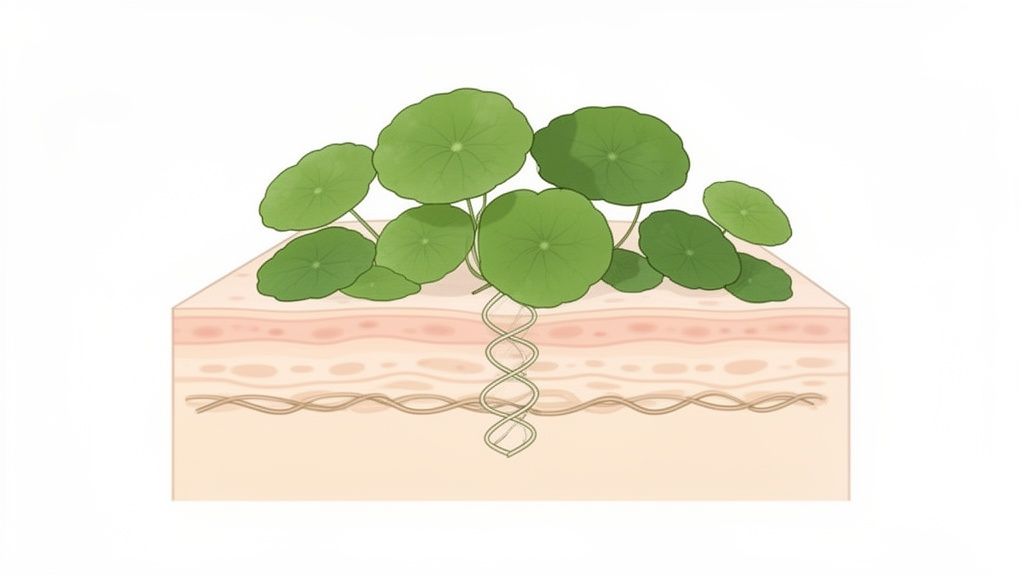
The secret to cica's effectiveness lies in its active compounds: asiaticoside, madecassoside, and asiatic acid. These potent molecules work synergistically to stimulate collagen production, reduce inflammation, and accelerate the skin's natural healing process. This is vital for sensitive skin, as it helps repair damage, minimize redness, and fortify the skin's defenses against external irritants.
How It Soothes and Protects
Centella asiatica works by actively inhibiting inflammatory pathways in the skin, providing immediate relief from redness and irritation. Its compounds also boost circulation and antioxidant activity, helping to protect the skin from environmental damage. For anyone dealing with conditions like rosacea or post-inflammatory hyperpigmentation, cica offers a gentle yet effective way to restore calm and evenness to their complexion.
Key Insight: Cica is more than just a calming agent; it's a true skin-repair ingredient that actively helps rebuild a compromised barrier, leading to stronger, more resilient skin over time.
Where to Find It
Thanks to its popularization by Korean skincare, cica is now a staple ingredient found across a wide range of products globally. You can find it in:
- Iconic K-Beauty Creams: The Dr. Jart+ Cicapair line is a famous example, using cica to neutralize redness and soothe irritation in their creams and color correctors.
- Soothing Serums and Essences: Brands like COSRX often feature cica in their formulations to provide a layer of calming hydration that supports overall skin health.
- Post-Procedure Care: Dermatologists frequently recommend cica-based products to aid recovery after treatments like peels or laser therapy due to its incredible healing capabilities.
Actionable Tips for Integration
To make the most of cica's reparative benefits, incorporate it with care.
- Apply to damp skin: For better absorption, apply your cica-infused toner or serum to clean, slightly damp skin.
- Use morning and night: Consistent use provides continuous support for your skin barrier, helping to prevent flare-ups before they start.
- Layer for optimal results: Pair cica with hydrating ingredients like hyaluronic acid or glycerin to seal in moisture and enhance its soothing effects.
Its gentle nature makes it an excellent choice for managing flare-ups, which is crucial when selecting your makeup routine. For more tips, discover our guide on choosing the best makeup for eczema-prone skin.
4. Calendula (Marigold Extract)
A staple in traditional herbalism for centuries, calendula (Calendula officinalis) is derived from the cheerful marigold flower and serves as a gentle yet potent remedy for distressed skin. Its time-tested ability to soothe, heal, and protect makes it one of the best ingredients for sensitive skin, particularly for those who experience dryness, itchiness, and reactivity.
Calendula's power comes from a rich concentration of flavonoids, saponins, and carotenoids. These antioxidant compounds are renowned for their anti-inflammatory properties, which help calm redness and discomfort. Furthermore, calendula promotes skin regeneration by stimulating collagen production at wound sites, which is invaluable for repairing a compromised skin barrier and soothing minor irritations.
How It Soothes and Protects
Calendula works by actively reducing inflammation markers in the skin while providing a hydrating, protective layer. It helps to alleviate the tell-tale signs of sensitivity like tightness and flaking without stripping the skin's natural oils. Its natural antimicrobial properties also help keep the skin's surface balanced and healthy, preventing minor irritations from escalating.
Key Insight: Calendula is exceptionally gentle, making it suitable even for the most delicate skin types, including baby skin. Its multi-faceted action both calms existing irritation and helps fortify the skin against future damage.
Where to Find It
This restorative botanical is a cornerstone of natural skincare and is frequently featured in products formulated for gentleness.
- Natural Skincare Lines: Brands like Herbivore Botanicals and Kiehl's feature calendula in popular toners, face washes, and masks designed to pacify reactive skin.
- Baby Care Products: Companies like Weleda have built entire lines around calendula's soothing properties, highlighting its safety and efficacy for the most sensitive skin.
- Apothecary-Style Formulations: You'll often find it in balms, salves, and oils from brands that embrace traditional herbal remedies for skin healing and comfort.
Actionable Tips for Integration
To get the most out of calendula's calming benefits, consider how you introduce it.
- Start with a toner: A calendula-infused toner is an excellent way to apply a soothing layer directly after cleansing to calm any immediate redness.
- Seek out oil infusions: For dry, sensitive skin, a facial oil containing calendula extract can deliver concentrated benefits while sealing in moisture.
- Patch test for allergies: While incredibly gentle, those with known allergies to the ragweed or daisy family should perform a patch test first.
- Look for sustainable sourcing: Opt for products that use organically grown and sustainably harvested calendula to ensure maximum potency and eco-conscious care.
5. Allantoin
A powerhouse skin protectant derived from the comfrey plant, allantoin is a gentle giant in the world of skincare. It is renowned for its ability to soothe, moisturize, and promote the natural healing process, making it one of the absolute best ingredients for sensitive skin that is easily compromised, rough, or irritated.
Allantoin’s effectiveness stems from its dual action as both a keratolytic and a moisturizing agent. It softens keratin, the tough protein that makes up the outer layer of skin, which helps slough off dead skin cells and prevent dullness and pore-clogging. Simultaneously, it increases the water content of the skin's extracellular matrix, improving hydration and leaving the skin feeling smooth and supple.
How It Soothes and Protects
Allantoin excels at calming distressed skin by forming a protective layer that shields it from external irritants. It also actively promotes cell proliferation and wound healing, which helps to quickly repair a damaged skin barrier and reduce the appearance of redness and irritation. For those with reactive skin, allantoin offers a reliable way to manage symptoms and restore a healthy, balanced state. Its non-irritating nature makes it a go-to for dermatologists and formulators creating products for the most delicate complexions.
Key Insight: Allantoin doesn't just calm the surface; it actively encourages the skin's own regenerative processes, helping to rebuild a stronger, more resilient barrier from within.
Where to Find It
This dermatologist-approved ingredient is a staple in products specifically designed for sensitive, reactive, or compromised skin. You can find it in:
- Hypoallergenic Brands: Lines like Vanicream build their formulations around gentle, effective ingredients like allantoin to provide relief for conditions such as eczema and rosacea.
- Pharmaceutical-Grade Skincare: Medical-grade and dermo-cosmetic brands frequently include allantoin in post-procedure creams and barrier-repair serums to accelerate healing.
- Soothing Oat Formulations: Brands such as Aveeno often pair allantoin with colloidal oatmeal to create a powerful duo for calming itchy, dry, and irritated skin.
Actionable Tips for Integration
To get the most out of allantoin, incorporate it with intention.
- Look for effective concentrations: For optimal benefits, seek out products with an allantoin concentration between 0.5% and 2%.
- Use it for barrier repair: It is especially beneficial when your skin barrier is compromised, such as after over-exfoliation, sun exposure, or during dry winter months.
- Layer for enhanced hydration: Apply an allantoin-based cream or serum over a hydrating toner or essence to lock in moisture and amplify its soothing effects.
6. Chamomile (Matricaria Chamomilla) Extract
A staple in traditional European herbalism and a beloved ingredient in modern clean beauty, chamomile is much more than just a calming tea. Its extract, derived from the delicate, daisy-like flowers of Matricaria chamomilla, is a gentle powerhouse for soothing sensitive skin. It is renowned for its ability to calm redness, ease irritation, and pacify reactive skin conditions.
Chamomile's soothing prowess comes from its rich concentration of bioactive compounds, particularly bisabolol and chamazulene. Bisabolol is known for its potent anti-inflammatory properties that help reduce redness and discomfort, while chamazulene provides antioxidant benefits and further calms the skin. Together, they work to restore balance and comfort to an over-stressed complexion.
How It Soothes and Protects
Chamomile acts as a natural anti-inflammatory agent, directly targeting the pathways that lead to irritation and flushing. It effectively reduces skin reactivity, making it one of the best ingredients for sensitive skin that is prone to conditions like rosacea or general redness. Its gentle nature makes it suitable for even the most delicate skin types, offering immediate relief without the risk of further irritation.
Key Insight: Chamomile offers a dual-action approach: it provides immediate calming relief for active flare-ups while its antioxidant properties help protect the skin from environmental stressors that can trigger sensitivity.
Where to Find It
This timeless botanical is a favorite among natural and organic skincare formulators. You can find it in:
- Organic Toners and Mists: Many indie beauty brands feature organic chamomile in hydrating mists and toners designed to calm the skin after cleansing.
- K-Beauty Serums: Korean beauty often highlights chamomile in soothing serums and essences aimed at reducing redness and strengthening the skin barrier.
- Traditional Herbalist Formulations: Skincare lines rooted in herbalism use high-quality chamomile extracts in creams and balms for their proven, time-tested benefits.
Actionable Tips for Integration
To make the most of chamomile's calming effects, consider these tips:
- Choose extracts over oils: For sensitive skin, chamomile extract is generally less sensitizing than its essential oil counterpart.
- Use day and night: Apply chamomile-infused products in both your morning and evening routines for consistent soothing and protection.
- Patch test for allergies: While rare, those with a known allergy to ragweed or other plants in the Asteraceae family should patch-test chamomile products first.
- Pair for enhanced calm: Combine chamomile with other gentle ingredients like calendula or colloidal oatmeal to amplify its soothing benefits and support overall skin health.
7. Niacinamide (Vitamin B3)
Niacinamide, a form of Vitamin B3, is a water-soluble vitamin that has become a true powerhouse for managing sensitive, reactive skin. Unlike many potent active ingredients that can cause irritation, niacinamide is exceptionally gentle and well-tolerated. It works harmoniously with the natural substances in your skin to visibly improve the appearance of enlarged pores, uneven skin tone, and a weakened surface.
The brilliance of niacinamide lies in its ability to boost the production of ceramides, the essential fatty acids that form a key part of the skin's lipid barrier. A robust barrier is fundamental for sensitive skin, as it locks in moisture and keeps environmental aggressors out. By strengthening this protective layer, niacinamide directly reduces redness, calms inflammation, and diminishes the overall reactivity of the skin.
How It Soothes and Protects
Niacinamide is a versatile ingredient that addresses sensitivity from multiple angles. It interrupts the inflammatory cascade that leads to redness and irritation, helping to visibly calm flushed or blotchy complexions. Simultaneously, its role in ceramide synthesis fortifies the skin's defenses, making it less susceptible to external triggers like pollution and allergens. It also offers antioxidant benefits, helping to neutralize free radical damage.
Key Insight: Niacinamide is one of the most compatible skincare ingredients available, meaning it can be easily integrated into almost any routine without conflicting with other products.
Where to Find It
This multitasking vitamin is now a staple in many formulas, making it easy to incorporate into your regimen.
- Affordable Serums: Brands like The Ordinary popularized high-concentration niacinamide serums (e.g., Niacinamide 10% + Zinc 1%), making it accessible to everyone.
- Dermatologist-Recommended Moisturizers: You can find it in gentle, barrier-supporting lotions like the CeraVe PM Facial Moisturizing Lotion, designed specifically for sensitive skin.
- K-Beauty Essences: Korean skincare often includes niacinamide in hydrating essences and ampoules to brighten the complexion and strengthen the skin barrier simultaneously.
Actionable Tips for Integration
To get the most out of this gentle giant, follow a few simple guidelines.
- Start with a moderate concentration: For sensitive skin, a concentration between 4-10% is ideal for delivering benefits without potential irritation.
- Apply to clean, damp skin: Pat a niacinamide serum onto your face after cleansing to enhance absorption before applying heavier creams or oils.
- Use it morning and night: Consistent use in both your AM and PM routines provides continuous support for your skin barrier and helps regulate oil production throughout the day.
- Pair with hydrators: Niacinamide works wonderfully with ingredients like hyaluronic acid. Apply your niacinamide serum first, followed by a hyaluronic acid product to lock in moisture.
8. Panthenol (Pro-Vitamin B5)
A humble yet powerful ingredient, panthenol is the pro-vitamin of B5, meaning the body converts it into vitamin B5 (pantothenic acid) upon absorption. It acts as both a humectant and an emollient, making it a dual-action hero for distressed, sensitive skin. Its ability to attract and hold moisture, combined with its profound soothing properties, makes it one of the best ingredients for sensitive skin.
Panthenol's effectiveness comes from its role in supporting the skin's vital healing and barrier processes. By drawing water into the skin's layers, it provides deep, non-greasy hydration. Simultaneously, it helps to strengthen the skin's lipid barrier, which is the first line of defense against external irritants and moisture loss. A well-functioning barrier is the cornerstone of calm, resilient skin.
How It Soothes and Protects
Panthenol is a master at reducing inflammation, redness, and the discomfort associated with irritation. It accelerates the skin's natural healing processes, making it particularly beneficial for skin that is recovering from sun exposure, harsh treatments, or allergic reactions. It effectively improves skin softness and elasticity while alleviating common symptoms of sensitivity like itching and dryness.
Key Insight: Panthenol works both on the surface and within the skin. It hydrates superficially by drawing in water and supports deeper cellular processes essential for barrier repair and regeneration.
Where to Find It
Thanks to its gentle and effective nature, panthenol is a staple in many dermatologist-recommended and sensitive-skin-focused lines. You can find it in:
- Pharmaceutical-Grade Skincare: Brands found in pharmacies often feature panthenol in their core sensitive skin lines due to its proven efficacy and safety profile.
- K-Beauty Hydrating Formulas: Korean beauty toners, essences, and serums frequently use panthenol as a key hydrator to achieve a plump, "glass skin" look without irritation.
- Gentle Cleansers and Lotions: Many products formulated for daily use on sensitive or baby skin, like those from Burt's Bees, incorporate panthenol for its soothing and moisturizing benefits.
Actionable Tips for Integration
To get the most out of this skin-soothing vitamin, consider how you use it.
- Look for effective concentrations: Aim for products with 2-5% panthenol, which is the range proven to deliver significant hydrating and healing benefits.
- Layer for maximum hydration: Apply a panthenol-rich toner or serum to damp skin after cleansing, then immediately follow with a thicker moisturizer to lock in the moisture it has attracted.
- Use post-procedure: It is an excellent ingredient to use after treatments that can compromise the skin barrier, such as peels or microdermabrasion, to aid recovery.
Top 8 Soothing Ingredients for Sensitive Skin — Comparison
| Ingredient | Implementation complexity 🔄 | Resource requirements 💡 | Expected outcomes ⭐📊 | Ideal use cases | Key advantages ⚡ |
|---|---|---|---|---|---|
| Reishi Mushroom | Moderate — needs standardized extracts and stabilization | Medium — sustainably cultivated extracts; higher ingredient cost | ⭐⭐⭐ — reduces inflammation, strengthens barrier with consistent use | Calming foundations, overnight recovery for reactive/sensitive skin | Calming adaptogen; barrier support; hypoallergenic |
| Snow Mushroom (Tremella) | Low — water-soluble polysaccharide, easy to formulate | Low–Medium — cultivated sustainably; water-soluble storage needs | ⭐⭐⭐⭐ — deep, lightweight hydration across layers 📊 | Dehydrated sensitive skin, lightweight essences and foundations | Exceptional water retention; vegan; non-occlusive |
| Centella Asiatica (Cica) | Moderate — potency control advised for concentrated extracts | Low — widely cultivated; stable supply | ⭐⭐⭐⭐ — anti-inflammatory, promotes collagen and barrier repair 📊 | Post-procedure care, reactive or compromised barriers | Clinically backed barrier repair; reduces redness |
| Calendula (Marigold) | Low — versatile in oil- and water-based formats | Low — easy to cultivate; cost-effective | ⭐⭐⭐ — gentle soothing and antimicrobial support 📊 | Newborn/sensitive routines, healing-focused formulations | Gentle healer; antimicrobial; affordable |
| Allantoin | Low — stable, straightforward to include | Low — commonly used; pharma-grade availability | ⭐⭐⭐ — promotes cell renewal and barrier restoration over weeks | Barrier-repair protocols, sensitive and reactive skin | Dermatologist-recommended; humectant + protectant |
| Chamomile Extract | Low — simple to formulate but quality varies | Low — easy cultivation; choose standardized extracts | ⭐⭐⭐ — quick calming and antioxidant benefits 📊 | Daily calming, redness-prone sensitive skin | Gentle anti-inflammatory; soothing antioxidant |
| Niacinamide (Vitamin B3) | Low — water-soluble, highly compatible with formulations | Low — affordable, widely available ingredient | ⭐⭐⭐⭐ — strengthens barrier, reduces redness/sebum; evidence-backed 📊 | Core active for broad sensitive-skin routines | Versatile, clinically supported; compatible with most actives |
| Panthenol (Pro-Vitamin B5) | Low — stable humectant, simple formulation | Low — common, inexpensive raw material | ⭐⭐⭐ — fast hydration and barrier support; effects need consistent use 📊 | Hydration layers, post-treatment soothing, lightweight products | Rapid hydration; non‑irritating; supports repair |
Building Your Conscious Skincare Ritual
Navigating the world of skincare when you have sensitive skin can often feel like a complex puzzle. However, as we've explored, the solution lies not in an overly complicated regimen, but in a return to gentle, effective, and thoughtfully chosen ingredients. By understanding the unique benefits of nature-derived powerhouses like Reishi Mushroom, Snow Mushroom, Centella Asiatica, and Calendula, you can begin to build a routine that soothes, strengthens, and restores your skin's natural balance.
The journey to calm, resilient skin is one of patience and mindful observation. The best ingredients for sensitive skin are those that work in harmony with your body’s own healing processes, offering anti-inflammatory support, deep hydration, and barrier-repairing properties without causing irritation. From the scientifically-backed efficacy of Niacinamide and Panthenol to the time-honored calming properties of Chamomile and Allantoin, each ingredient offers a specific tool for your skincare arsenal.
From Knowledge to Action: Your Next Steps
Putting this knowledge into practice is where the real transformation begins. It's about shifting from a reactive approach- frantically trying to fix flare-ups- to a proactive one focused on long-term skin health and conscious consumption.
Here’s how to translate what you've learned into a personalized, effective routine:
-
Become a Label Detective: Start by scrutinizing the ingredient lists of your current products. Are they filled with potential irritants like synthetic fragrances, harsh sulfates, or drying alcohols? Use your newfound knowledge to identify which products might be contributing to sensitivity and which ones are keepers. When shopping for new items, look for the heroes we've discussed, such as Centella Asiatica Extract, Niacinamide, or Panthenol, high up on the INCI list.
-
Introduce Newness with Intention: The golden rule for sensitive skin is to introduce only one new product at a time. This allows you to accurately gauge how your skin reacts. Always perform a patch test on a discreet area, like behind your ear or on your inner wrist, for at least 24-48 hours before applying a new product to your entire face. This simple step can save you from widespread irritation.
-
Prioritize Consistency Over Intensity: A gentle, consistent routine will always outperform an aggressive, inconsistent one. Your skin thrives on predictability. A simple daily ritual of cleansing, treating with a serum featuring one of our recommended ingredients, and moisturizing will build your skin's resilience far more effectively than constantly switching products or using harsh treatments.
-
Embrace the Holistic View: True skin health is a reflection of overall well-being. Supporting your skin with the best ingredients for sensitive skin is crucial, but don't forget the impact of diet, stress management, and hydration. A conscious approach to skincare is part of a larger commitment to self-care and mindful living.
Key Takeaway: Mastering your sensitive skincare routine is about empowerment. It's the ability to look at an ingredient label and feel confident, not confused. It's about choosing products that align with your skin's needs and your personal values, creating a ritual that feels both nurturing and purposeful.
By making deliberate choices, you are not just calming your complexion; you are casting a vote for a more sustainable and compassionate beauty industry. Opting for brands that prioritize vegan ingredients, cruelty-free practices, and eco-friendly packaging transforms your daily routine into a meaningful act. It’s a powerful reminder that caring for your skin and caring for the planet can, and should, go hand in hand.
Ready to build a skincare and makeup routine that truly honors your sensitive skin and values? Discover the Axiology collection, where we formulate our multi-use Balmies and other beauty staples with soothing, earth-derived ingredients, all housed in 100% plastic-free packaging. Explore our conscious cosmetics at Axiology and find your perfect match for a calm, radiant complexion.