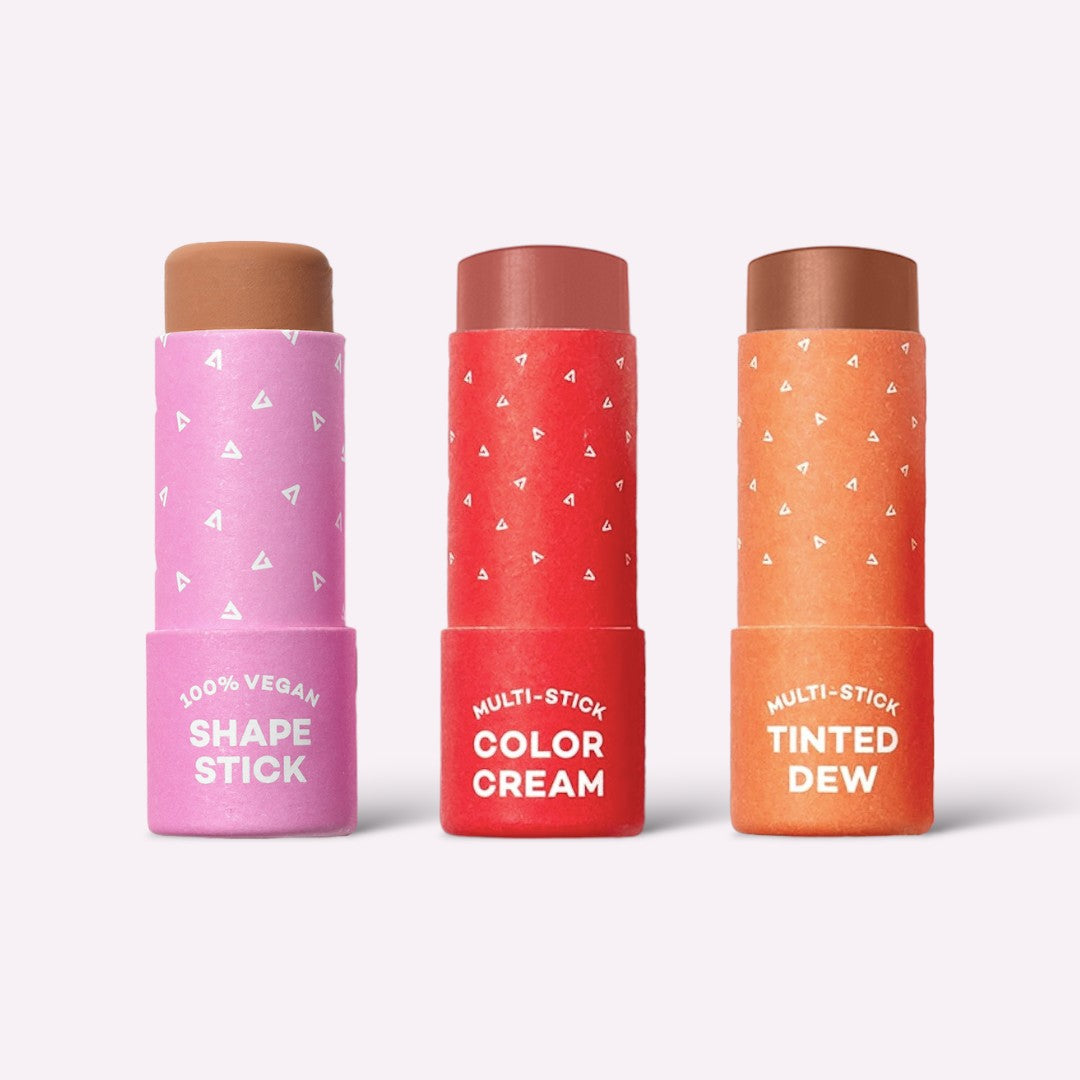
So, you want to master foundation? It can feel like a huge hurdle, but I promise it's simpler than it looks. The secret isn't some complicated technique—it's just a few core ideas that, once you get them, make all the difference.
Think of it this way: a truly great foundation finish comes down to four key moments. Get these right, and you'll have a natural, flawless look that feels like your own skin, just a little more polished.
Your Guide to a Flawless Foundation Finish
Let's break down that intimidating process into something totally manageable. I like to think of makeup as building something beautiful—you can't have a sturdy, gorgeous house without getting the foundation just right. Same goes for your face!

We're going to walk through this together, step by step, so you can build your confidence from the ground up.
The Four Pillars of Perfect Foundation
Before we get into the nitty-gritty of how, let's look at the what. Each of these steps builds on the one before it, which is why skipping one can throw the whole look off.
Here’s the game plan for how to apply foundation like you've been doing it for years:
- Pillar 1: Skin Preparation: We'll start with why clean, moisturized skin is non-negotiable. It's like priming a canvas before painting. This single step ensures your foundation glides on smoothly instead of clinging to dry patches or looking cakey.
- Pillar 2: Shade Matching: This is where we take the guesswork out of finding your perfect color. We’ll demystify undertones so you can walk into any store and find a match that looks incredible in any light. No more tide lines along the jaw!
- Pillar 3: Application and Blending: Now for the fun part. We’ll cover the main tools—your fingers, brushes, and sponges—and exactly how to use each one to get that beautiful, skin-like finish everyone wants.
- Pillar 4: Setting Your Look: This is the final touch that locks everything in place. A quick setting step can keep your foundation from creasing, sliding, or fading away by lunchtime.
Understanding these four pillars transforms foundation from a daunting task into an easy, repeatable routine. Your goal isn't to mask your skin, but to enhance its natural beauty.
With this overview, you've got the complete picture. As we dive into each pillar, you'll see how everything connects to help you create a seamless base every single time.
Foundation Tools at a Glance
First things first, let's talk tools. The tool you choose completely changes the final look, so it helps to know what your options are. Here’s a quick rundown of the most common choices for beginners and what they do best.
| Tool | Best For | Coverage Level | Beginner Tip |
|---|---|---|---|
| Fingers | Sheer, natural finish | Light | The warmth from your skin helps melt the product for a seamless blend. |
| Brush | Polished, airbrushed look | Medium to Full | Use a stippling (patting) motion for more coverage, a buffing motion to sheer it out. |
| Sponge | Dewy, streak-free look | Light to Medium | Always use it damp—never dry—for a smooth, non-cakey finish. |
Each tool has its place, and you'll probably find you have a favorite or switch between them depending on the look you're going for. There's no right or wrong answer—just what works for you
Why Skin Prep Is Your Most Important Step
Let's talk about the single most important step for getting your foundation to look incredible. Hint: it’s not actually applying the foundation.
Think of it like painting. You wouldn't just slap paint onto a dusty, uneven wall, right? The same goes for your face. So many beginners are excited to get to the makeup part and completely blow past skin prep. Trust me, this is the one step you never want to skip if you're after a smooth, long-lasting, truly flawless finish.

Those few extra minutes you spend getting your skin ready will completely change how your foundation looks and wears. It’s the difference between a patchy, cakey situation and a seamless, skin-like glow that lasts all day.
Start With a Clean Canvas
Every great makeup application starts with a clean face. Overnight and throughout the day, your skin collects oil, sweat, and all sorts of gunk. Trying to put foundation over that is a recipe for a splotchy mess—and can even lead to clogged pores. Yikes.
A gentle facial cleanser is non-negotiable. It gets rid of all that residue and creates a fresh, smooth surface for your foundation to grip onto. If your skin feels tight or looks red after washing, that’s a signal you might need a gentler approach. Figuring out how to calm irritated skin can be a total game-changer, ensuring your prep routine is actually helping, not hurting.
Also, don't forget that a truly flawless base often starts from the inside. Looking into the essential vitamins for glowing skin can make a huge difference in your complexion long-term.
Hydration Is Everything
Okay, skin is clean. Next up: moisturizer. This is critical. Foundation loves to cling to dry spots, which highlights them and creates that dreaded cakey texture. A good moisturizer plumps up the skin with hydration, making a supple, smooth canvas for your makeup.
But here’s the key—it has to be the right moisturizer for your skin. This is definitely not a one-size-fits-all deal.
- For Dry Skin: You’ll want richer, cream-based formulas. Look for ingredients like hyaluronic acid or ceramides to really hydrate and create a dewy base.
- For Oily Skin: Go for something lightweight, like an oil-free or gel-based moisturizer. It gives you the hydration you need without adding extra shine.
- For Combination Skin: A balanced, lightweight lotion usually does the trick. You can even get specific by applying a richer cream to dry areas (like cheeks) and a lighter one to your T-zone.
After applying, give your moisturizer a minute or two to really sink in before you move on. This little pause is crucial—it prevents your foundation from sliding around later.
Pro Tip: When you apply your moisturizer, gently massage it into your skin using upward, circular motions. This doesn't just help it absorb better; it also gets the blood flowing, giving you a natural, healthy glow from underneath your foundation.
Prime for a Perfect Finish
Primer is the final, game-changing piece of the puzzle. Think of it as the bridge connecting your skincare to your makeup. You only need a pea-sized amount to create a barrier that smooths texture, makes your foundation last way longer, and can even tackle specific skin issues.
Just like moisturizers, primers are not all the same. Picking the right one can completely elevate your final look.
- Mattifying Primers: An absolute lifesaver if you have oily skin. They absorb excess oil and keep your T-zone from looking greasy by lunchtime.
- Hydrating Primers: If your skin is on the dry side, a hydrating or illuminating primer will give you a gorgeous boost of radiance and stop foundation from settling into fine lines.
- Pore-Filling Primers: These often have a silky, silicone-like feel that blurs the look of large pores, creating a velvety-smooth surface for an almost airbrushed effect.
By taking the time to cleanse, moisturize, and prime, you're doing more than just adding steps—you're setting the stage for success. This prep routine is the secret weapon every makeup artist swears by, and it's the best habit you can build on your foundation journey.
How to Find Your Perfect Foundation Match
Walking into a beauty store and facing a wall of foundation can feel like a pop quiz you didn't study for. I get it. With countless formulas, finishes, and what seems like a million shades, it's easy to get overwhelmed. But finding your perfect foundation isn't about luck—it's about knowing a few simple things about your own skin.
First, you’ll want to figure out which formula works with your skin type, not against it. Then, I’ll show you the tried-and-true tricks for pinpointing the exact shade that blends in like it’s not even there.
Choosing the Right Foundation Formula
Before you even think about color, let's talk texture. The formula is what determines the coverage, the finish, and how the foundation feels on your skin all day. Each one is designed for a different skin type or a specific look.
- Liquid Foundation: This is the most popular choice for a reason, especially if you're just starting out. Liquid formulas are super versatile, easy to blend, and come in every finish you can imagine, from dewy to matte. They're a safe bet for most skin types.
- Cream Foundation: These are usually a bit thicker and offer more coverage. Cream foundations, especially in stick form, are amazing for targeted application and can even double as a concealer. They tend to work best for normal to dry skin.
- Powder Foundation: If you have oily or combination skin, powder foundation might be your new best friend. It helps soak up excess oil for a matte finish. Plus, it's quick to apply and great for on-the-go touch-ups, though it can sometimes cling to dry patches.
- Serum Foundation: This is a newer, super lightweight option that honestly feels more like skincare. Serum foundations give you sheer, buildable coverage and a natural, glowy finish—perfect for that "no-makeup" makeup vibe.
The good news? The market is exploding with user-friendly options. The global cosmetics foundation market was valued at USD 12.5 billion in 2023 and is only expected to grow. That means more innovation for us!. Brands now commonly offer 40+ shades, and a recent survey showed that 85% of first-time users prefer liquid foundations because they’re so forgiving and easy to blend.
The Secret to Finding Your Perfect Shade
This is where most people feel the pressure, but I promise it's simpler than you think. Finding your shade is a two-part process: figuring out your undertone and then matching the depth of your skin color. Nail the undertone, and you're already halfway there.
Your undertone is the subtle color that lives just beneath your skin's surface. It doesn’t change with a tan or a sunburn—it's always there. There are three main types:
- Cool: Your skin has hints of pink, red, or blue.
- Warm: Your skin has hints of yellow, golden, or peach.
- Neutral: You have a pretty even mix of both cool and warm tones.
The Vein Test: This is the easiest trick in the book. In natural light, look at the veins on the inside of your wrist. If they look blue or purple, you likely have cool undertones. If they appear more green, you have warm undertones. Can't really tell, or see a bit of both? You’re probably neutral.
Once you know your undertone, you can narrow down your choices big time. Most brands categorize their shades this way (like "Warm Beige" or "Cool Ivory"). For a deeper dive, check out our complete guide on how to choose the right foundation shade.
Swatching for a Flawless Match
Okay, time to test your top contenders. Here's the number one mistake people make: swatching foundation on the back of their hand. The skin there is often a totally different color and texture than your face, which almost always leads to a bad match.
Instead, here’s what the pros do for a perfect match every single time:
- Pick Your Top Three: Choose three shades that look like they could be the one.
- Swatch on Your Jawline: Apply a small stripe of each shade right on your jawline, blending it slightly down your neck.
- Wait a Few Minutes: Let the swatches sit and dry. Some foundations can oxidize, which just means they get a little darker as they mix with the air and oils on your skin.
- Check in Natural Light: This part is non-negotiable! Store lighting is notoriously tricky. Step outside or find a window to see which shade truly disappears into your skin. The one that vanishes is your winner.
Taking a little extra time to understand your skin and test properly takes all the guesswork out of the process. Soon enough, you'll be able to walk up to any foundation display and pick out your perfect match with total confidence.
Mastering Your Application Technique
You’ve found your perfect shade—now for the fun part. This is where you actually get to play with makeup and turn that liquid or cream into a flawless, second-skin finish. The tool you choose is more than just a preference; it completely changes the texture, coverage, and final look of your foundation.
Let’s walk through the three most popular ways to apply foundation: with your fingers, a brush, and a makeup sponge. Each one has its own vibe, and knowing how to use them all gives you the power to customize your look for any occasion.
The golden rule here? Start with less than you think you need. Seriously. You can always add more, but it’s a pain to take it away. I like to dot a tiny amount of foundation in the center of my face—forehead, nose, and chin—and then blend outwards.

As you can see, your choice of tool really dictates the final result. Fingers give you a natural melt, a brush offers polished coverage, and a sponge creates a beautiful, dewy blend.
The Fingertip Method for a Natural Melt
Don't sleep on the power of your own two hands. Your fingers are fantastic tools, especially when you’re going for a light, natural, everyday look.
The warmth from your fingertips gently heats the foundation, helping it melt and blend seamlessly right into your skin. This technique is honestly perfect for sheer foundations, BB creams, or tinted moisturizers. Just dot the product on and use a gentle tapping or patting motion to press it in.
Using a Foundation Brush for an Airbrushed Finish
When you want a bit more control and coverage, a foundation brush is your best friend. The trick is picking the right kind of brush and using the right motion to avoid streaks.
- For Full Coverage: Grab a dense, flat-top kabuki brush. Apply foundation to your face and then use a stippling motion—think quick, gentle pats—to press the product into your skin. This builds up coverage beautifully.
- For a Blended, Medium Coverage: A classic buffing brush with slightly fluffier bristles is your go-to. Use light, circular motions to buff the foundation into your skin. This sheers out the product just enough for that perfect airbrushed effect.
Getting your technique down is a game-changer for events like teen makeover photoshoots, where a flawless finish on camera is everything. A brush gives you that professional-looking polish.
The Makeup Sponge for a Dewy Glow
There’s a reason the teardrop-shaped makeup sponge became a cult favorite. It’s incredibly beginner-friendly and creates a gorgeous, dewy, streak-free finish that just looks like really good skin.
The most important rule: Always use your sponge damp. Run it under water until it fully expands, then squeeze out all the excess until it’s just slightly moist. A dry sponge will just soak up all your precious foundation.
A damp sponge ensures the foundation blends into your skin rather than just sitting on top of it. Use a bouncing or dabbing motion (sometimes called "pouncing") to press the foundation in. It’s a super forgiving technique that builds up sheer layers of coverage like a dream. We have even more tips in our guide on how to apply foundation with a sponge to get that perfect, hydrated look.
The Art of Seamless Blending
No matter which tool you choose, the final step is making sure there are no harsh lines. A visible line along the jaw or a patchy hairline is the biggest giveaway that you’re wearing foundation.
First, blend down your neck. After you've covered your face, use whatever product is left on your tool to lightly blend down your neck. This creates a gradual, invisible transition.
Next, feather into your hairline. Gently blend the foundation up towards your hairline with a light hand. Be careful not to get a ton of product in your hair, but make sure the color is feathered out so there isn't a stark contrast.
And don't forget to blend around your ears! It’s a spot people often miss, but a quick swipe with your sponge or brush around your ears makes everything look uniform.
Did you know that social media now fuels 50% of makeup purchases? It’s where so many of us learn these techniques. Influencer endorsements actually drive 40% of sales, and 80% of beginners say they learned essential steps—like blending into the neck to avoid that dreaded tide line—from their favorite creators. It just shows how much digital platforms are shaping our beauty habits.
How to Set Your Foundation and Fix Common Mistakes
You’ve blended to perfection, and your skin is looking chef’s kiss. But before you walk away from the mirror, there’s one final step that truly separates a good foundation day from a great one: setting your work.
This is how you lock everything in place, keep shine from crashing the party, and make sure your makeup looks just as fresh hours from now. Think of it as your makeup insurance policy. And listen, almost every little slip-up is correctable. Knowing how to fix them on the fly is what really builds your confidence.
To Powder or to Spray, That Is the Question
The two heavy hitters in the setting game are setting powder and setting spray. They do different things, and which one you reach for often comes down to your skin type and the kind of finish you’re after. You might even find you love using both.
-
Setting Powder: This is your best friend for controlling oil and creating a soft, blurred-matte finish. A finely milled translucent powder is perfect for beginners. It sets liquid and cream formulas, stopping them from creasing in fine lines or sliding around, especially in your T-zone.
-
Setting Spray: Think of this as a superfine mist that creates a breathable film over your makeup. Sprays come in all sorts of finishes—from matte to super dewy—and they're amazing for melting all your powder and cream layers together for a more natural, skin-like vibe.
If you have oily skin, a light dusting of powder followed by a mattifying spray is a powerhouse combo for all-day wear. For those with dry skin, you might skip powder altogether and go straight for a hydrating setting spray to boost glow and keep your foundation from looking flat.
Your Troubleshooting Cheat Sheet
Mistakes happen! Even the pros get a streaky patch or go a little too heavy-handed now and then. The key is not to panic and definitely don't start over. Here’s a quick guide to fixing the most common foundation blunders.
Problem: Streaky or Patchy Application
A classic beginner issue. This usually happens when foundation dries down too fast or you haven't quite blended it out at the edges.
- The Fix: Grab your damp makeup sponge (yep, even if you applied with a brush) and use a gentle pressing or stippling motion over the streaky bits. The moisture from the sponge helps reactivate the product and blend it out seamlessly without messing up what’s underneath.
Problem: You Applied Way Too Much
It’s so easy to get carried away. The result is often a heavy, "mask-like" look that feels less than comfortable.
- The Fix: Don't wipe it off! Take a clean, dry part of your makeup sponge or a clean foundation brush and gently blot or buff the areas with too much product. This will lift just the excess foundation without ruining your entire base.
Pro Tip: If your foundation looks a bit cakey after you've powdered, a setting spray is your secret weapon. A few spritzes will instantly melt the powder into your skin, getting rid of that dusty look and bringing back a more natural, hydrated finish.
Why Your Foundation Changes Color
Ever apply a shade that looks perfect, only to glance in the mirror an hour later and see it's darker or more orange? That frustrating little trick is called oxidation. It happens when the pigments and oils in your foundation react with the air and the natural oils on your skin.
Sometimes it's just the formula, but a good oil-controlling primer can make a huge difference. It creates a barrier between your skin's oils and your foundation, seriously reducing the chances of a color shift.
Of course, the best defense is getting your shade right from the start. This can be the trickiest part for beginners; an estimated 70% fail on their first try without a little help. Luckily, technology is catching up. About 60% of beauty brands have brought in AR virtual try-on tools since 2020, and they've been shown to slash product returns from mismatches by 40%. Since women make up 80% of foundation users, these tools are a massive confidence booster. You can explore the latest cosmetic foundation trends to see how the market is adapting.
Your Top Foundation Questions, Answered
Even with the best instructions, you're bound to have some questions once you start actually putting foundation on your face. I get it. Think of this as your go-to troubleshooting guide for all those little "wait, what?" moments that happen to everyone.
Here are the quick and dirty answers to the most common foundation hiccups.
Why Does My Foundation Look So Cakey?
This is, hands down, the biggest frustration for anyone new to foundation. And honestly? It usually comes down to one of two things: your skin prep, or just going a little too heavy-handed.
Foundation loves to cling to dry, flaky skin, which immediately creates a patchy, uneven texture. The absolute best defense is making sure your face is well-exfoliated and moisturized before you even think about makeup. A smooth canvas is everything.
The other culprit is simply using too much product. Slathering on one thick coat is a one-way ticket to cake-face. The trick is to always start with a tiny amount, blend it out completely, and then add more coverage only where you really need it.
Quick Fix for Cakey Foundation: Don't wipe it off and start over! Just grab a clean, damp makeup sponge and gently press it over the areas that look too heavy. It’ll lift off the excess product and melt what’s left into your skin for a way more natural finish.
Fingers, Brush, or Sponge: What's the Deal?
There’s no single "best" tool—it all depends on the look you’re going for. Your application method has a huge impact on the final finish, so it's good to know what each one does.
- Your Fingers: Honestly, a super underrated tool. The warmth from your skin helps melt the foundation, giving you a sheer, natural, "my-skin-but-better" vibe. Perfect for light-coverage foundations or tinted moisturizers.
- A Foundation Brush: This gives you more control and is great for building up to medium or full coverage. A dense, flat-top brush will give you a polished, almost airbrushed look, while a fluffier one is great for buffing everything seamlessly.
- A Makeup Sponge: A damp sponge is a beginner's best friend. It’s super forgiving and creates a dewy, streak-free finish by pressing the product into the skin. If you’re not sure where to start, a sponge is always a safe (and fantastic) bet.
Do I Actually Need Setting Powder?
Not always, but it’s a game-changer if you have oily skin or need your makeup to last from morning to night. Setting powder is designed to soak up excess oil and lock your foundation in place, stopping it from creasing or sliding around.
If you have drier skin or just love a dewy, glowy look, you can get a little more strategic. Try dusting a very small amount of powder only on your T-zone (your forehead, nose, and chin), since that's where most people get oily first. Or, you can skip it completely and just mist on a hydrating setting spray instead.
How Can I Make My Foundation Last All Day?
Long-lasting foundation isn't about one magic product; it's a simple three-part strategy: prep, application, and setting.
- Prep is Everything: Start with a primer. A good primer creates a smooth base for your foundation to grip onto, which makes a massive difference in how long it wears.
- Apply in Thin Layers: I know I sound like a broken record, but it’s true! Thin, buildable layers adhere to the skin so much better than one thick coat. It’s just more durable.
- Set Your Work: This is the final step to lock it all down. Using a setting powder and then finishing with a setting spray is the ultimate one-two punch. The spray acts like a flexible topcoat for your makeup, protecting it from just about anything. This combo will keep you looking fresh all day long.
At Axiology, we believe beautiful makeup should be kind to your skin and our planet. Our products, like the world's first mushroom-infused Fungdation, are always vegan, cruelty-free, and packaged without plastic. Find makeup that feels as good as it looks at https://www.axiologybeauty.com.