When you really boil it down, cutting back on plastic is a modern spin on an old-school idea: refuse, reduce, reuse, and then recycle. It all starts with consciously saying no to single-use stuff, choosing products with less packaging, and giving the things you already own a second (or third) life before even thinking about the recycling bin.
Your Realistic Guide to Reducing Plastic Waste
The whole plastic pollution problem can feel huge, right? But real change actually begins with the small, consistent things we do every day. This guide is all about giving you practical, totally achievable ways to make a difference, moving past the scary statistics to focus on what you can actually control. The goal isn't perfection; it's progress.
We’ll get into the simple swaps you can make in your kitchen, bathroom, and even on your shopping trips that add up to a major impact. You'll walk away feeling ready to go, with a clear plan to start cutting down on plastic today, one smart choice at a time.
It's All About a Sustainable Mindset
Learning how to use less plastic is less of a massive life overhaul and more about just shifting your perspective. It’s about taking a beat before you buy something and asking, "Is there a version of this with less plastic?" Honestly, that simple question is the foundation for making changes that stick.
"The waste crisis affects all of us. While tackling such a massive problem may feel overwhelming, reducing your personal footprint doesn’t require perfection—just progress."
This whole journey is tied to bigger ideas about sustainability. If you're curious about the principles behind the movement, taking a look at what does zero waste really mean gives you some great context for your own efforts.
The Power of Small, Consistent Actions
Every little choice adds up. Seriously. Each time you remember your reusable bag, refill your water bottle, or pick the pasta in the cardboard box instead of the plastic bag, you’re casting a vote for a world with less waste.
These individual actions create a ripple effect, too, influencing your friends, family, and even the companies you buy from.
And these ideas aren't just for plastic. Once you get the hang of it, you can apply this thinking everywhere. For instance, you can check out effective strategies for reducing electronic waste and see how similar concepts work for totally different materials. At the end of the day, a low-waste lifestyle is built one sustainable choice at a time.
Transform Your Shopping and Kitchen Habits
If there's one place where the battle against plastic waste is won or lost, it's the kitchen. Your grocery routine and daily habits at home are where small, intentional choices can make the biggest dent in your personal plastic footprint. It goes way beyond just remembering a reusable bag—it's about fundamentally changing how you shop and what you bring into your home in the first place.
The scale of the problem can feel pretty staggering. Globally, plastic waste is projected to hit 225 million tonnes, and guess what the single largest culprit is? Packaging. This one category makes up a massive 33% of all plastic waste produced.
But don't let those numbers get you down. They're actually empowering. By zeroing in on packaging, you can make a huge difference.
Rethink Your Grocery Store Strategy
Your regular trip to the store is overflowing with opportunities to cut down on plastic. The key is to head in prepared and be mindful of what you're putting in your cart.
Let's start in the produce section. So many fruits and veggies already have their own natural "packaging." A simple first step is to ditch those flimsy plastic produce bags and grab a set of reusable cloth or mesh ones instead. I like to keep mine tucked inside my larger shopping totes so I never forget them.
This same mindset applies in every aisle. Instead of buying pre-portioned snacks in individual plastic bags, grab the larger bag and portion it out yourself at home using small reusable containers. This is also a fantastic way to get ahead on meal prep. For more ideas, check out our guide on how to pack a zero waste lunch.
Embrace Bulk Bins and Smart Swaps
Shopping the bulk bins is one of the most powerful ways to eliminate packaging entirely. You just bring your own clean jars or containers, get them weighed before you start, and pay only for the product inside. It's a game-changer.
- Grains and Legumes: Things like rice, oats, beans, and lentils are bulk-bin staples.
- Nuts and Seeds: Perfect for stocking up on healthy snacks without all those plastic tubs.
- Spices and Teas: Just refill your little jars instead of buying brand new plastic containers every time.
Beyond the bulk aisle, making simple swaps throughout your kitchen can drastically shrink your reliance on single-use plastics.
Key Insight: The goal isn't a stressful, overnight kitchen overhaul. It’s about making one or two sustainable swaps at a time. Once a new habit feels natural, you can move on to the next one, building momentum without feeling overwhelmed.
Simple Swaps to Reduce Household Plastic
Making lasting changes often just means finding better alternatives for the stuff we use every day. Here’s a quick look at some common plastic products and their much more sustainable counterparts.
| Single-Use Plastic Item | Sustainable Alternative | Potential Impact |
|---|---|---|
| Plastic Cling Wrap | Beeswax wraps or silicone food covers | Eliminates a non-recyclable plastic from your kitchen and saves money over time. |
| Plastic Sandwich Bags | Reusable silicone bags or stainless steel containers | Prevents hundreds of single-use bags from ending up in landfills each year. |
| Liquid Dish Soap Bottle | Solid dish soap bar | Cuts out a bulky plastic bottle that is often difficult to recycle completely. |
| Plastic Cutting Boards | Wooden or bamboo cutting boards | Avoids shedding microplastics into your food and lasts significantly longer. |
Each of these swaps is a small but powerful move. By consciously choosing items with less (or zero) plastic packaging and investing in reusable alternatives, you actively take back control over your consumption and help create a healthier planet.
Create a Low-Waste Beauty and Personal Care Routine
Let's be honest, the bathroom is often a secret hotspot for single-use plastic. It’s kind of shocking when you stop and actually look at it all—shampoo bottles, lotion pumps, mascara tubes, floss containers. The sheer volume of packaging is wild.
Figuring out how to reduce plastic waste here means rethinking some of your daily rituals, but it absolutely doesn't mean sacrificing quality. This is all about making smart, intentional swaps that cut out the packaging from the get-go. Luckily, tons of brands are finally creating incredible products that help us move away from the throwaway culture that’s dominated the beauty industry for way too long.
Embrace Solid Alternatives
One of the most satisfying and impactful changes you can make is swapping your liquids for solid bars. This one move can seriously cut down on the clutter in your shower and your recycling bin. The whole idea is simple: you get a super-concentrated product, just without the plastic bottle.
Think about your daily routine and where all the plastic bottles live:
- Shampoo and Conditioner Bars: These are not your grandma’s drying soap bars. Today's solid hair care is formulated with amazing ingredients for every hair type imaginable, leaving your hair feeling great without any of the plastic waste.
- Soap Bars: An easy, classic switch for body wash and hand soap. Just look for brands that use minimal paper or cardboard packaging.
- Lotion Bars: Solid moisturizers that melt with your body heat are a game-changer. They’re a fantastic, totally plastic-free way to keep your skin hydrated.
Bonus: these bars often last way longer than their liquid counterparts because they're so concentrated. That means you're getting great value while shrinking your environmental footprint. Most people find they actually prefer how simple and travel-friendly solids are once they make the switch.
Pro Tip: Want your solid bars to last as long as possible? Always store them on a draining soap dish. If they sit in a puddle of water, they'll get mushy and dissolve way too fast.
Explore Refillable and Reusable Options
The refill revolution is finally gaining some serious momentum, and it’s a brilliant way to keep beautiful, high-quality packaging while just replenishing the product inside. This system directly tackles the single-use container problem by creating a circular loop that slashes waste.
You can now find everything from deodorant and skincare to foundation and lipstick in refillable formats. You buy the durable, often gorgeous container once, and then just purchase lightweight refill pods or pouches when you run out. It’s a win-win that cuts down on plastic and usually saves you money in the long run.
Beyond refills, think about the reusable tools in your routine. Swapping disposable cotton rounds for washable fabric pads or trading your single-use razors for a durable safety razor are small changes that have a huge cumulative impact. If you're looking for more ideas, check out this great list of innovative plastic-free beauty products to get you started.
Get Creative with DIY and Mindful Recycling
For anyone who enjoys a more hands-on approach, simple DIY recipes can replace a surprising number of store-bought products. A body scrub made from coffee grounds and sugar? Easy. A face mask with oatmeal and honey? Done. A little cornstarch for dry shampoo? You probably already have it in your kitchen.
When you do end up with containers, disposing of them correctly is key. Make sure to completely clean out any leftover gunk from glass jars or plastic tubes before you toss them in the recycling. A dirty container can contaminate an entire batch of recyclables, which sends everything straight to the landfill. Bummer. Always check your local guidelines to see what’s actually accepted—beauty packaging can be notoriously tricky.
Navigate Recycling and Disposal Like an Expert
Let’s be honest: recycling can feel needlessly complicated. It’s not just about tossing something in the blue bin and hoping for the best. The rules change from town to town, and mastering a few key principles is the only way to make sure your good intentions aren’t sending a whole batch of recyclables straight to the landfill.
The tough truth is that recycling alone can't fix our plastic problem. Globally, more plastic waste is mismanaged or littered (22%) than is actually collected for recycling (15%). This really drives home why reducing and reusing are so critical, but it also makes it clear how important it is to recycle as effectively as we can. You can learn more about the global impact of plastic pollution to see just how big this challenge is.
Decode the Numbers
You’ve seen them—the little chasing arrows symbol with a number inside, usually on the bottom of a plastic container. A lot of people assume this means the item is recyclable, but that's not quite what it is. It’s actually a Resin Identification Code, and it just tells you what type of plastic you’re holding.
- #1 (PETE): This is your typical water bottle and peanut butter jar plastic. Most curbside programs accept this without any issue.
- #2 (HDPE): Think milk jugs, shampoo bottles, and laundry detergent containers. Like #1, it's widely recyclable.
- #5 (PP): This is where you’ll find things like yogurt cups and some takeout containers. Whether it gets recycled is a real toss-up and depends entirely on your local facility.
Plastics like #3 (PVC), #4 (LDPE film), #6 (Polystyrene), and #7 (Other) are a lot trickier to process and are almost never accepted in curbside bins. Your best bet is to always check the specific rules from your local waste management provider.
Key Takeaway: Don't "wish-cycle." Tossing something non-recyclable into the bin with the hope it gets sorted can contaminate the entire load. When in doubt, it’s actually better to throw it out to protect the integrity of the recycling stream.
Master the Prep Work
How you prep your recyclables is just as important as sorting them. A few simple habits can be the difference between your items getting a second life or being pulled off the line and sent to the dump.
Clean and Dry: Give containers a quick rinse to get rid of any food gunk. They don't need to be sparkling clean, but leftover food can attract pests and ruin perfectly good paper and cardboard in the same bin.
No Plastic Bags: This is a huge one. Never, ever put your recyclables inside a plastic bag, and don't toss loose plastic grocery bags into your bin either. They get tangled in the machinery at sorting facilities and bring the whole process to a screeching halt. Instead, collect them and take them to a designated store drop-off.
This little decision tree is a great guide for cutting down on plastic waste in the bathroom, focusing on smart swaps that avoid packaging from the get-go.
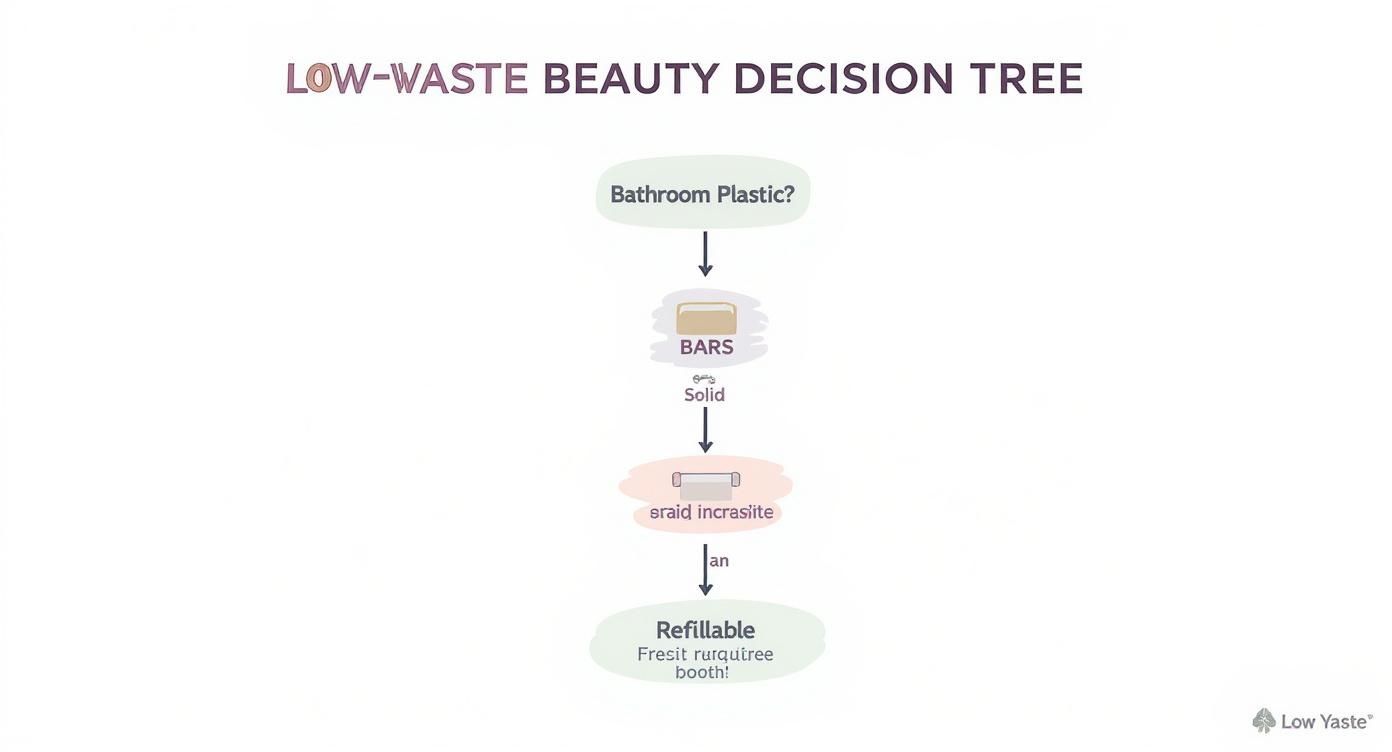
As the visual shows, switching to solid bars or finding refillable options are two of the most direct ways you can tackle bathroom plastic.
Handling Hard-to-Recycle Items
So what do you do with the things your local program won’t touch, like toothpaste tubes, weird cosmetic packaging, or chip bags? Don't just give up and toss them.
Services like TerraCycle specialize in these exact items. You can find free recycling programs sponsored by brands or even buy a Zero Waste Box to mail in specific types of waste, making sure they get repurposed instead of just sitting in a landfill forever.
Amplify Your Impact Beyond Your Home
Making changes at home is an amazing first step, but taking those habits out into your community? That’s where the magic really happens. This is how you go from making a personal difference to sparking a collective movement. Your actions create a ripple effect, inspiring friends, local businesses, and even policymakers.
Dipping your toes in is easier than you think. Start by joining a neighborhood cleanup day. It’s a super tangible way to see your impact, and you’ll connect with other people who care just as much as you do. Plus, it sends a clear message to local leaders: waste is an issue we want to solve.
Use Your Voice for Broader Change
Picking up litter feels great in the moment, but using your voice as a consumer and a citizen creates change that lasts. Where you spend your money and what you advocate for can genuinely shift business practices and local laws.
Start small. Next time you're at your favorite coffee shop or grocery store, have a chat with the manager. A simple, polite question like, "Have you ever thought about offering a discount for reusable cups or carrying more package-free snacks?" can plant a powerful seed. Businesses listen to customer feedback—it’s how they know what people want.
And it’s not just about packaging. Think about the lifecycle of everything you buy. For instance, understanding the environmental impact of choosing refurbished phones shows how consumer choices in totally different areas contribute to the bigger picture of waste reduction.
Key Insight: Never underestimate the power of a single conversation. Your feedback could be the nudge a business owner needs to explore sustainable alternatives, which then influences the choices of hundreds of other customers.
Support Policies That Reduce Plastic
Individual action is the foundation, but we need to pair it with strong policies that tackle plastic at the source. Research shows that without serious global intervention, plastic pollution is set to more than double by 2040. Right now, a staggering 130 million tonnes of plastic pollute our environment every single year.
You don’t have to be a political expert to make a difference here. Supporting change can be as straightforward as:
- Signing Petitions: Add your name to campaigns pushing for bans on single-use plastics like bags, straws, and styrofoam. It takes seconds.
- Contacting Representatives: A quick, personal email or phone call to your local officials about why better recycling infrastructure matters can be incredibly effective. Seriously.
- Supporting Advocacy Groups: Find and donate to or volunteer with organizations that are fighting plastic pollution on a bigger scale through research, lobbying, and public awareness.
When you take these steps, you’re no longer just managing your own trash. You become part of the solution on a community and even global level, making your personal commitment count for so much more.
Got Questions About Cutting Down on Plastic? We've Got Answers
So, you're trying to use less plastic. That's awesome! But it's totally normal to hit a few snags along the way. You might wonder if you're really making a difference or if this is all just a bit... much.
Let's get into some of the real-world questions that pop up when you start this journey. These are the things we all think about.
Is This Going to Be Expensive?
Honestly, it doesn’t have to be. It’s easy to look at some fancy reusables and think this lifestyle is all about buying pricey eco-gadgets. But really, it’s a mindset shift.
Sure, a good quality water bottle or some silicone food bags cost more upfront than their disposable cousins. But think about how much you save over time by not buying bottled water every day or endless boxes of plastic baggies. The math checks out pretty quickly.
A lot of the best low-waste habits are completely free. Just say no to the plastic straw. Use the glass jars you already have for bulk bin shopping. Whip up your own cleaning spray with vinegar and water. It's about starting small and swapping things out as you go, not buying a whole new "eco" life overnight.
What if My Town Has Limited Options?
This is a big one. It can feel really frustrating when you want to do the right thing, but your local shops just aren't on board yet. This is where you lean into the most powerful “R” of all: Refuse.
You can always say no to a plastic bag at the checkout. You can always ask for your takeout without the plastic cutlery. You can always bring your own mug to the coffee shop. No special stores required for any of that.
When you do have to buy something in plastic, try to buy the biggest container you can find. It’s a simple way to reduce the overall amount of packaging you're bringing home.
Better yet, be the change. Talk to the manager at your local grocery store. Tell them you'd love to see more plastic-free options. When they hear from enough customers, they start to listen. Your voice is way more powerful than you think.
The thing to remember is that every single choice creates a ripple effect. Every time you refuse a plastic bag or choose a product in a glass jar, you're not just shrinking your own footprint. You're sending a signal to brands and retailers that people want something different.
You're also inspiring the people around you—your friends, your family—and making these habits feel normal. It’s not about being perfect. It's about making progress and celebrating every single win.
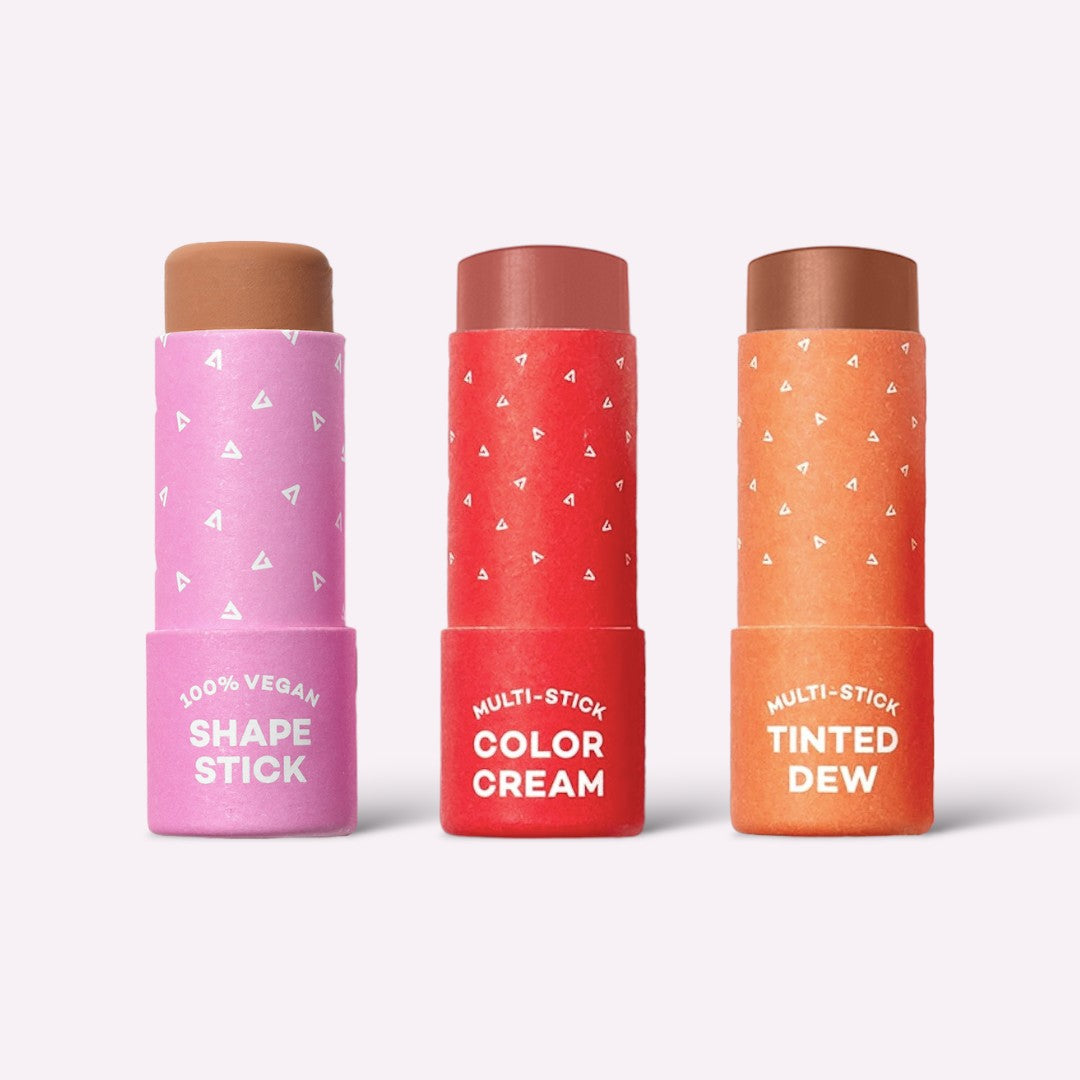
At Axiology, we're all about making choices that are kind to you and the planet. Our plastic-free, multi-use makeup is designed to cut down on waste without ever compromising on color or quality. Check out our full line of vegan and cruelty-free products at AxiologyBeauty.com.