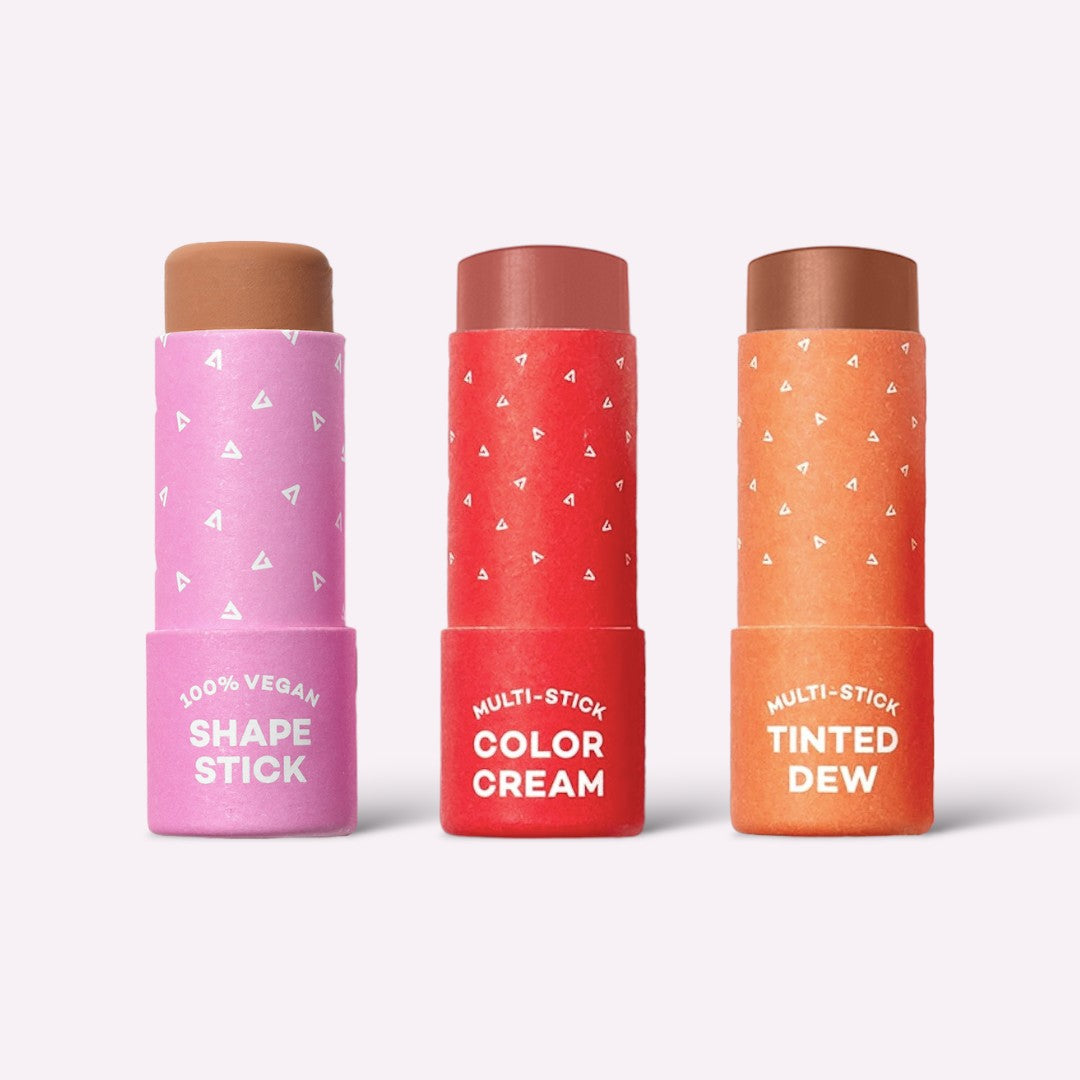
So, what does it actually mean when a lip balm is labeled vegan? Simply put, it means the formula is completely, 100% free of any ingredients that come from animals.
This commitment runs deeper than just the obvious stuff. It means every single component, from the waxes that give it structure to the pigments that add a pop of color, is plant-derived and ethically sourced. It’s a promise of purity for your lips and peace of mind for your conscience.
What Makes a Lip Balm Truly Vegan
At its heart, a vegan lip balm is defined by what’s left out: anything and everything sourced from an animal. It's a philosophy that challenges the old way of making lip balm, which often leaned on animal byproducts for their moisturizing and protective qualities.
The goal of a vegan formula is to deliver that same nourishing, soothing relief without compromising on ethics. It’s about creating a product that feels just as good on your lips as it does on your conscience.
The Vegan and Cruelty-Free Connection
This is a big one, because “vegan” and “cruelty-free” are often used together but mean two very different things. It’s important not to mix them up.
Think of them as two separate promises a brand makes:
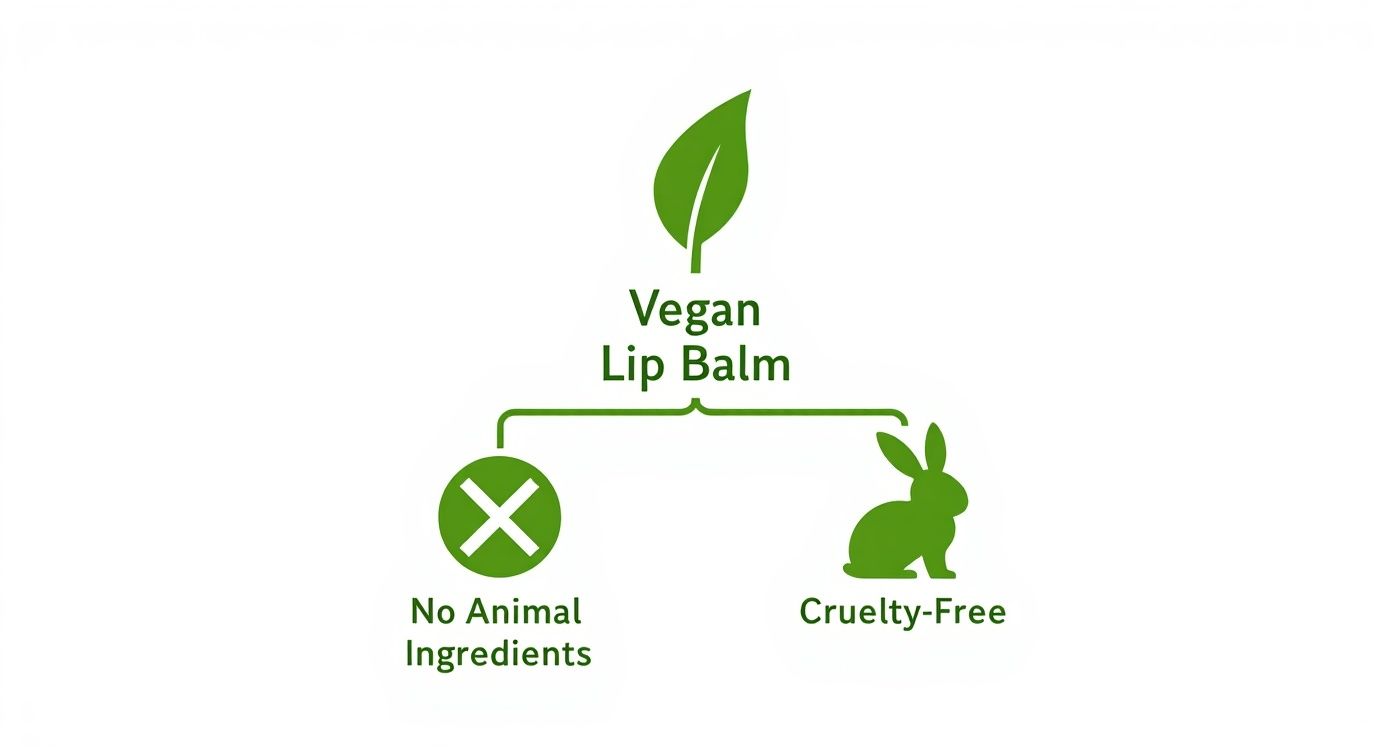
- Vegan: This is all about the ingredients. It’s a guarantee that the product’s recipe contains zero animal products or byproducts. No beeswax, no lanolin, nothing.
- Cruelty-Free: This promise is about the process. It confirms that no animal testing occurred at any point—not on the final product, and not on any of the individual ingredients.
A product can technically be vegan but still have been tested on animals. On the flip side, a cruelty-free product might contain non-vegan ingredients like honey or beeswax. For the most ethical choice, you want to see both labels on the package. This is the real gold standard. To dig a little deeper, you can check out our guide on what is vegan makeup.
A truly ethical product doesn’t just avoid animal ingredients; it ensures no animal was harmed in its creation. This dual certification—vegan and cruelty-free—is the clearest signal of a brand's commitment to compassionate beauty.
Why This Distinction Matters Now
Let's be real: shoppers are smarter and more conscious than ever. People are realizing their spending power can make a difference and are actively looking for brands that share their values. This shift is totally reshaping the beauty industry for the better.
This growing awareness has fueled some serious growth in the vegan cosmetics market. We're talking a market valued at around $18.25 billion and projected to hit $19.5 billion, all thanks to consumers raising concerns about animal testing and wanting more sustainable options. Choosing a vegan lip balm is more than just a small act; it’s part of a huge, positive movement. You can discover more insights about this growing market on News Channel Nebraska.
Decoding Labels to Find Non-Vegan Ingredients
So you’ve decided to go for vegan lip balm—awesome. The next step is learning how to read ingredient lists, which can feel like trying to decipher a secret code. But I promise, once you know what to look for, it’s actually pretty simple.
Think of it like learning a few key words in a new language. You don’t need to be fluent to get by, and soon enough, you’ll be spotting the non-vegan stuff from a mile away.
Most of the lip balms you see on store shelves get their texture and moisturizing power from animal-derived ingredients. They might work, but they just don't align with a vegan or cruelty-free lifestyle. Getting to know these common culprits is the first step toward finding amazing plant-based balms that work even better.
The Big Four Non-Vegan Ingredients
When you start flipping over tubes and tins, you’ll see the same few names pop up over and over. These are the usual suspects in the non-vegan world.
-
Beeswax (Cera Alba): This is the big one. Beeswax is in almost everything. It’s used to make lip balm solid and create that protective layer on your lips. Since it's a byproduct of honey production, it's a no-go for vegans.
-
Lanolin: A waxy substance that comes from sheep's wool. It's an emollient, meaning it softens and moisturizes, but its animal origins mean it doesn't belong in a vegan formula.
-
Honey: Yep, just straight-up honey. It's often added for its ability to draw in moisture (it's a natural humectant) and its supposed antibacterial properties. But it comes from bees, so it's out.
-
Carmine (Cochineal, Natural Red 4): This one is particularly sneaky and, frankly, pretty gross. Carmine is a red dye made from crushed cochineal insects. It’s what gives many lip products their pink or red color. It takes literally thousands of bugs to make a single pound of dye.
Honestly, if you can just remember to look for these four, you're 80% of the way there. Spotting beeswax, lanolin, honey, or carmine on a label is the quickest way to filter out most non-vegan options on the shelf.
A Guide to Vegan Swaps
It's one thing to know what to avoid, but it's even better to know about the incredible plant-based ingredients that do the job without harming any animals.
Here’s a quick cheat sheet comparing the old-school animal ingredients to their amazing vegan counterparts.
| Non-Vegan Ingredient | What It Is | Common Vegan Alternative |
|---|---|---|
| Beeswax | Wax from bee honeycombs used as an emulsifier. | Candelilla Wax or Carnauba Wax |
| Lanolin | Grease from sheep's wool used to moisturize. | Shea Butter or Kokum Butter |
| Honey | A bee byproduct used as a humectant. | Agave Nectar or Maple Syrup |
| Carmine | Red dye made from crushed cochineal insects. | Fruit Pigments or Iron Oxides |
See? For every non-vegan ingredient, there's a powerful, effective, and kind plant-based alternative ready to take its place.
Navigating Deceptive and Hidden Names
Just when you think you have it figured out, brands throw you a curveball with confusing ingredient names. Some ingredients hide behind scientific jargon or vague terms to make things more complicated.
Carmine, for instance, is a master of disguise. If you see cochineal extract, CI 75470, or natural red 4 on a label, it’s all the same thing: crushed bugs. We've got a whole breakdown if you want to learn more about cochineal red insect dye and why it's a major one to avoid.
Here are a few others to keep an eye on:
- Glycerin/Glycerol: This can come from animal fat or plants. If the label doesn't say "vegetable glycerin," it's best to be wary or look for a certified vegan logo.
- Squalene: This moisturizer was traditionally sourced from shark liver oil (yikes). Luckily, plant-derived squalane (with an "a") from olives is now widely used. Just make sure you know which one you’re getting.
- Collagen and Elastin: These plumping proteins are almost always from animals unless the product very clearly states they are plant-based or synthetic.
Becoming a label detective puts the power back in your hands. Every time you check an ingredient list, you’re making a choice that aligns with your values. And that feels pretty good.
The Power of Plant-Based Lip Balm Ingredients
Choosing a vegan lip balm isn't about missing out. It’s about upgrading to a world of incredible, plant-powered ingredients that your lips will absolutely love. Nature gives us an amazing toolkit of waxes, butters, and oils that don’t just match their animal-derived counterparts—they often blow them out of the water with nourishing and healing goodness.
Instead of just slapping a barrier on your lips, these botanicals work with your skin for deep, lasting hydration. They’re brimming with vitamins, antioxidants, and fatty acids that actively repair and protect that delicate skin. Let's meet the heroes of the vegan lip balm world.
Natural Waxes That Protect and Seal
A lip balm’s main job is to create a breathable shield that locks in moisture and protects you from the elements, like wind and cold. Beeswax has been the go-to for ages, but plant-based waxes do the job just as well, and no bees are bothered in the process.
Think of these waxes as a gentle, protective raincoat for your lips.
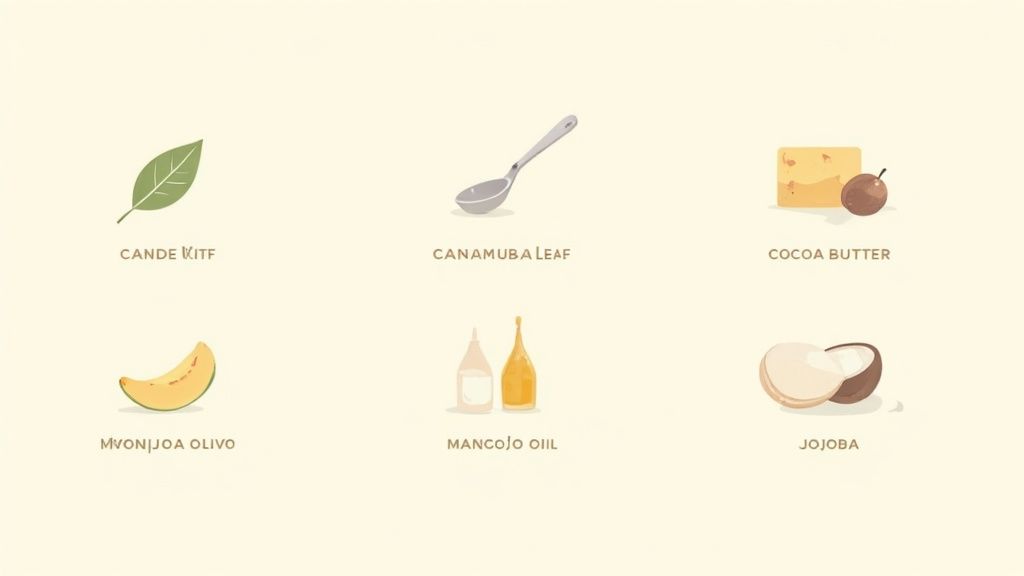
- Candelilla Wax: Sourced from the Candelilla shrub, this wax is a vegan superstar. It’s harder than beeswax, so a little goes a long way, and it gives lip balms a beautiful gloss and solid structure.
- Carnauba Wax: Known as the "queen of waxes," this one comes from the leaves of a Brazilian palm tree. It has one of the highest melting points of any natural wax, which means your lip balm won’t turn into a soupy mess in your pocket on a hot day.
These waxes create that crucial occlusive layer, preventing moisture loss and keeping lips soft and comfy for hours.
Rich Butters That Heal and Nourish
While waxes protect, plant butters are the heavy lifters when it comes to deep conditioning and repair. They are loaded with the essential fatty acids and vitamins that soothe, soften, and bring chapped lips back to life.
The real magic of a high-quality vegan lip balm is in its butters. They don’t just sit on the surface; they actually sink in to deliver nutrients right where you need them, promoting genuine healing from the inside out.
These ingredients are the comforting, nourishing heart of any great vegan lip balm:
- Shea Butter: This famous butter, from the nut of the African shea tree, is an incredible moisturizer with anti-inflammatory perks. It’s packed with vitamins A and E, which help calm irritation.
- Cocoa Butter: With that familiar, delicious scent, cocoa butter is a rich emollient that just melts into your skin. It forms a protective barrier to hold in moisture, while its high antioxidant content helps fight off environmental damage.
- Mango Butter: A lighter, less greasy option, mango butter is amazing for softening skin and restoring elasticity. It gives balms a creamy texture without feeling heavy—perfect for everyday wear.
You can learn more about these botanicals and others in our guide to natural lip balm ingredients.
Powerhouse Oils for Deep Hydration
Finally, let’s talk oils. Nutrient-rich plant oils give lip balm that smooth glide and deep, penetrating moisture that feels so luxurious. Each oil brings its own unique set of benefits, working to hydrate and replenish skin on a cellular level.
This shift toward plant-based ingredients is part of a bigger movement. The global lip care market, valued at $2.47 billion, is being shaped by demand for natural, organic, and vegan ingredients from health-conscious shoppers.
Here are a few of the most effective oils you’ll find in a vegan lip balm formula:
- Avocado Oil: Loaded with vitamin E, potassium, and lecithin, avocado oil is exceptional at moisturizing. Its fatty acids penetrate deeply to help strengthen the skin's natural barrier.
- Coconut Oil: A true multitasker, coconut oil is celebrated for both its moisturizing and antimicrobial properties. It helps reduce inflammation and gives any lip balm a smooth, silky feel.
- Jojoba Oil: Fun fact: jojoba is technically a liquid wax. Its structure is remarkably similar to our skin's natural sebum, which allows it to absorb quickly without clogging pores, delivering hydration deep down.
To get a better sense of how different botanicals work, you can explore a diverse range of plant-based essential oils and see what makes each one unique.
How to Choose Your Perfect Vegan Lip Balm
Navigating the world of vegan beauty can be exciting, but let’s be real—it can also feel a little overwhelming. With so many amazing options out there, how do you find the one? The lip balm vegan formula that becomes your ride-or-die?
The secret is to think about your lifestyle, what you really care about, and how to spot a genuinely good-for-you, good-for-the-planet product.
Picking a lip balm is kind of like picking your favorite coffee mug. It’s personal. It needs to feel right in your hand (or pocket), work like a charm, and maybe even show off a little of your personality. Whether you’re all about convenience, a hint of color, or the most sustainable packaging possible, there’s a vegan option with your name on it.
Consider the Format and Function
First things first, let's get practical. How do you actually like to apply your lip balm? This might seem small, but the format you choose makes a huge difference in your daily routine.
Here’s a breakdown of the usual suspects:
- Sticks and Tubes: The classic for a reason. They’re portable, mess-free, and perfect for a quick swipe on the go. No fingers required. This is your go-to for hygienic application anytime, anywhere.
- Pots and Tins: These usually hold richer, thicker formulas—ideal for an intensive overnight treatment or when your lips are screaming for extra TLC. Applying with your finger feels a little more intentional, almost like a mini spa moment.
- Squeeze Tubes: A great middle ground. You get the no-finger application of a stick but often with a glossier, smoother texture you’d find in a pot. Perfect if you love a dewy finish.
- Tints and Multi-Sticks: Want hydration and a pop of color? Tinted vegan balms are your best friend. We’re obviously a little biased here at Axiology, but our multi-use Balmies take this idea and run with it. Use them on lips, cheeks, and even eyes to simplify your routine without skimping on nourishment.
Think about your day. Constantly reapplying between meetings? A stick is your hero. Looking for a deep conditioning treatment before bed? A rich balm in a pot is probably the way to go.
Look for Trustworthy Certifications
Labels can be confusing, and marketing jargon can be… well, jargon. To cut through the noise, look for official third-party certifications. These little logos are your proof that a brand isn't just talking the talk—they've been independently verified and held to super high standards.
Think of certifications as a brand’s report card. Logos like the Leaping Bunny or the Vegan Society seal prove a company has done its homework and is transparent about its ethical promises.
Here are the key symbols to keep an eye out for:
- Leaping Bunny Program: This is the international gold standard for cruelty-free. A Leaping Bunny logo means zero animal testing was used at any stage of product development—not by the company, its labs, or its suppliers.
- PETA's Beauty Without Bunnies: Another highly respected cruelty-free certification. Brands with this logo have verified that they and their suppliers don’t conduct, commission, or pay for any tests on animals.
- The Vegan Society Logo: This sunflower symbol is the global standard for vegan products. It certifies the product is 100% free of animal ingredients and byproducts, and that it wasn’t tested on animals.
Finding a product with both a cruelty-free and a vegan logo is the ultimate high-five for an ethical choice.
Evaluate the Brand's Mission and Packaging
Your perfect lip balm should come from a brand you feel good about supporting. Beyond the ingredient list, take a look at the company’s bigger picture. Do they actually care about sustainability? Are they open about where their stuff comes from?
This is where we get to brag a little. Axiology was built from the ground up to be 100% vegan, cruelty-free, and plastic-free. Our commitment goes all the way to our packaging—like our signature paper-wrapped Balmies that you can compost when you’re done. It’s a holistic approach that shows deep respect for animals and our planet.
When you support brands like this, your purchase is more than just a purchase. It’s a vote for a more compassionate and sustainable beauty industry. You’re not just buying a lip balm; you’re investing in the future you want to see.
Thinking Beyond Ingredients to Sustainable Lip Care
Choosing a lip balm vegan formula is a huge step, but the journey to truly conscious beauty doesn't stop at the ingredient list. To really make an impact, we have to think about the entire lifecycle of a product.
That means looking past what’s in the tube to the impact of the tube itself.
Let’s be real: the beauty industry has a massive plastic problem. Billions of plastic tubes and pots are cranked out every year, and a horrifying number of them end up in landfills or polluting our oceans. That convenient twist-up lip balm? It’s often made from mixed plastics, making it a nightmare to recycle. This is where your choice can make a real difference.
Embracing Plastic-Free Packaging
The good news is that brands are finally getting smart and ditching plastic for kinder alternatives. These options aren’t just better for the planet—they often feel way more special to use. Think of it as upgrading your lip care from disposable to durable.
Here’s what to look for:
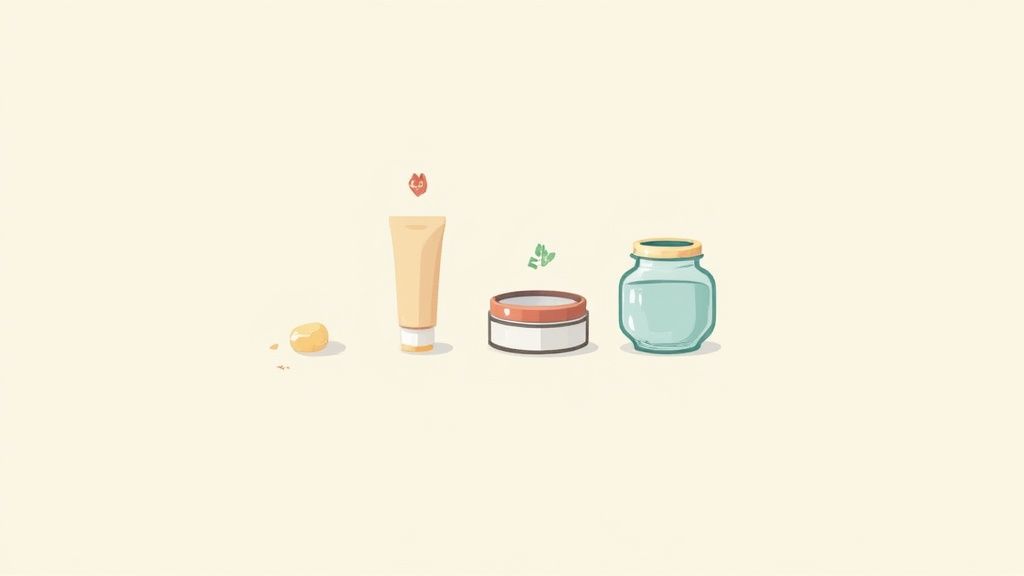
- Paperboard Tubes: A total game-changer. These compostable tubes are made from sturdy, renewable paper and break down naturally, leaving zero trace. They work just like a regular tube, minus the plastic guilt.
- Metal Tins: Aluminum and tin are the superheroes of recycling. Unlike plastic that degrades every time it's reprocessed, metal can be melted down and reborn again and again without losing quality. Plus, they’re tough and super easy to repurpose.
- Glass Pots: Nothing says luxury quite like a little glass jar. Glass is highly recyclable, and when you're done, the pot can be refilled or find a new life holding tiny treasures or your own DIY beauty concoctions.
Decoding Sustainable Terminology
When you dive into the eco-friendly world, you'll start seeing a lot of new terms. Knowing what they actually mean helps you pick products that truly line up with your values.
Let's break down the two big ones:
- Plastic-Free: This one’s pretty straightforward. It means the product and its packaging contain absolutely zero plastic. Everything from the container to the shipping mailer is made from materials like paper, glass, or metal.
- Zero-Waste: This is a bigger philosophy that aims to send nothing to a landfill. In beauty, this means the packaging is designed to be completely reused, recycled, or composted. Axiology’s paper-wrapped Balmies are a perfect example of a product designed with zero waste in mind.
By choosing a product in plastic-free packaging, you’re not just buying a lip balm; you're casting a vote against single-use culture and supporting a circular economy where materials are valued, not discarded.
This shift in what we demand as shoppers is forcing real change. The sustainable lip balm market is growing because people care about the planet as much as they care about ethical ingredients. It makes sense, right? If you're thoughtful enough to look for vegan gift baskets, extending that same care to your daily essentials is a natural next step. Every conscious choice adds up.
Got Questions About Vegan Lip Balm? We’ve Got Answers.
Making the jump to a vegan lip balm can spark a few questions. Totally normal. When you start paying closer attention to what you put on your body, you want to be sure you're making the right call.
We've rounded up the questions we hear the most from people dipping their toes into the world of vegan lip care. Here are some clear, straight-up answers to help you feel amazing about your choice.
Is Vegan Lip Balm as Effective as Regular Lip Balm?
This is probably the number one question we get, and the answer is a huge yes. In fact, a lot of people find that high-quality vegan lip balms are actually better for the long-term health of their lips.
The idea that you need beeswax for a lip balm to work is just a myth. Plant-based waxes like candelilla and carnauba are champs at creating that same protective seal, locking in moisture and shielding your lips from windburn and cold. They give the balm the structure and staying power you need, all without bothering the bees.
But here’s where vegan formulas really shine: the good-for-you ingredients. Vegan brands tend to be all about clean, powerful botanicals.
- Serious Hydration: Instead of lanolin (from sheep's wool), you'll find rich, deeply hydrating butters like shea, cocoa, and mango. These are loaded with vitamins and fatty acids that actually heal and soften dry, chapped skin.
- Better Oils: You get powerhouse oils like avocado, jojoba, and coconut oil, which are fantastic because they mimic your skin's natural oils. This means they sink in deeper, providing lasting moisture instead of just sitting on the surface.
So, not only do vegan lip balms protect your lips just as well, but they often deliver a superior dose of healing nutrients for lips that are genuinely healthier and softer.
How Do I Know a Lip Balm Is Really Cruelty-Free?
Great question. "Vegan" and "cruelty-free" can be a bit confusing because they don't automatically mean the same thing. Nailing down the difference is key to making a choice that’s truly kind to animals.
Here’s the simple breakdown:
- Vegan is all about the ingredients. It means the product has zero animal-derived stuff in it.
- Cruelty-Free is all about the testing. It’s your guarantee that no animal testing happened at any point.
A product can be vegan (no animal ingredients) but still have been tested on animals somewhere down the line. That's why you need to look for both promises. The easiest, most reliable way to know for sure is to spot an official third-party certification on the packaging.
Think of these logos as a trusted stamp of approval. They mean a company went through a whole verification process to prove its commitment to animal welfare, so you don’t just have to take their word for it.
Keep an eye out for these two gold-standard symbols:
- The Leaping Bunny Logo: This is the big one, recognized worldwide. It ensures no new animal testing was used by the company, its labs, or its suppliers during any phase of development.
- PETA’s Beauty Without Bunnies Logo: This logo also confirms that the brand and its suppliers don't conduct, commission, or pay for any animal tests on their ingredients, formulas, or final products.
When you see one of those bunnies, you can feel good knowing it’s the real deal.
Are Vegan Lip Balms a Better Choice for Sensitive Skin?
For a lot of people, yes, definitely. While everyone’s skin is different, vegan lip balms are often a much gentler option if you're prone to sensitivities or allergies.
It’s mainly because they skip some of the most common irritants found in conventional lip balms. Lanolin, for example, is a known trigger for allergic reactions and it's a total non-issue in vegan formulas. Same goes for honey and some animal-derived fragrances or colorants that can cause flare-ups.
Plus, brands that are committed to vegan formulas usually have a "less is more" philosophy. They tend to use fewer, higher-quality ingredients, focusing on clean and calming botanicals that are less likely to cause a problem. You’ll see soothing ingredients like cocoa butter, shea butter, and gentle plant oils that are known for being kind to skin.
Pro tip: if your skin is extra sensitive, look for a vegan lip balm that is also fragrance-free and has a short, simple ingredient list. The fewer things in the tube, the lower the chance of a reaction.
What Do I Do With My Empty Lip Balm Container?
This is such a crucial question, and it gets right to the heart of what it means to be a conscious consumer. A truly thoughtful choice means thinking about a product's full life cycle, from how it's made to where it ends up.
What you do with the empty container all comes down to what it's made of.
- Traditional Plastic Tubes: Honestly, this is the trickiest one. Most lip balm tubes are made from mixed plastics (like #5 or #7) and are usually too small for recycling machines to sort properly. You can check your local recycling rules, but sadly, most of them wind up in a landfill.
- Eco-Friendly Alternatives: This is where you can make a huge difference. By choosing brands that use sustainable packaging from the start, you make disposal simple and guilt-free.
Here’s what to do with the better options:
- Compostable Paperboard Tubes: Once it's empty, you can just tear it up and toss it in your home compost bin. It'll break down naturally and go back to the earth.
- Recyclable Metal Tins: Aluminum and tin can be recycled over and over again. Just clean out any leftover balm and pop the tin in your recycling bin.
- Reusable Glass Jars: These are easy to clean out and can be repurposed for a million things—holding little trinkets, mixing up your own DIY balms, or they can be recycled.
Choosing a product in sustainable packaging is the most powerful way to slash your environmental footprint. It turns a simple daily habit into a positive action for the planet.
At Axiology, we believe in beauty without compromise. That’s why all of our products, from our nourishing Balmie multi-sticks to our innovative mushroom-infused foundation, are 100% vegan, cruelty-free, and plastic-free. Discover a new kind of beauty that feels as good as it looks at https://www.axiologybeauty.com.