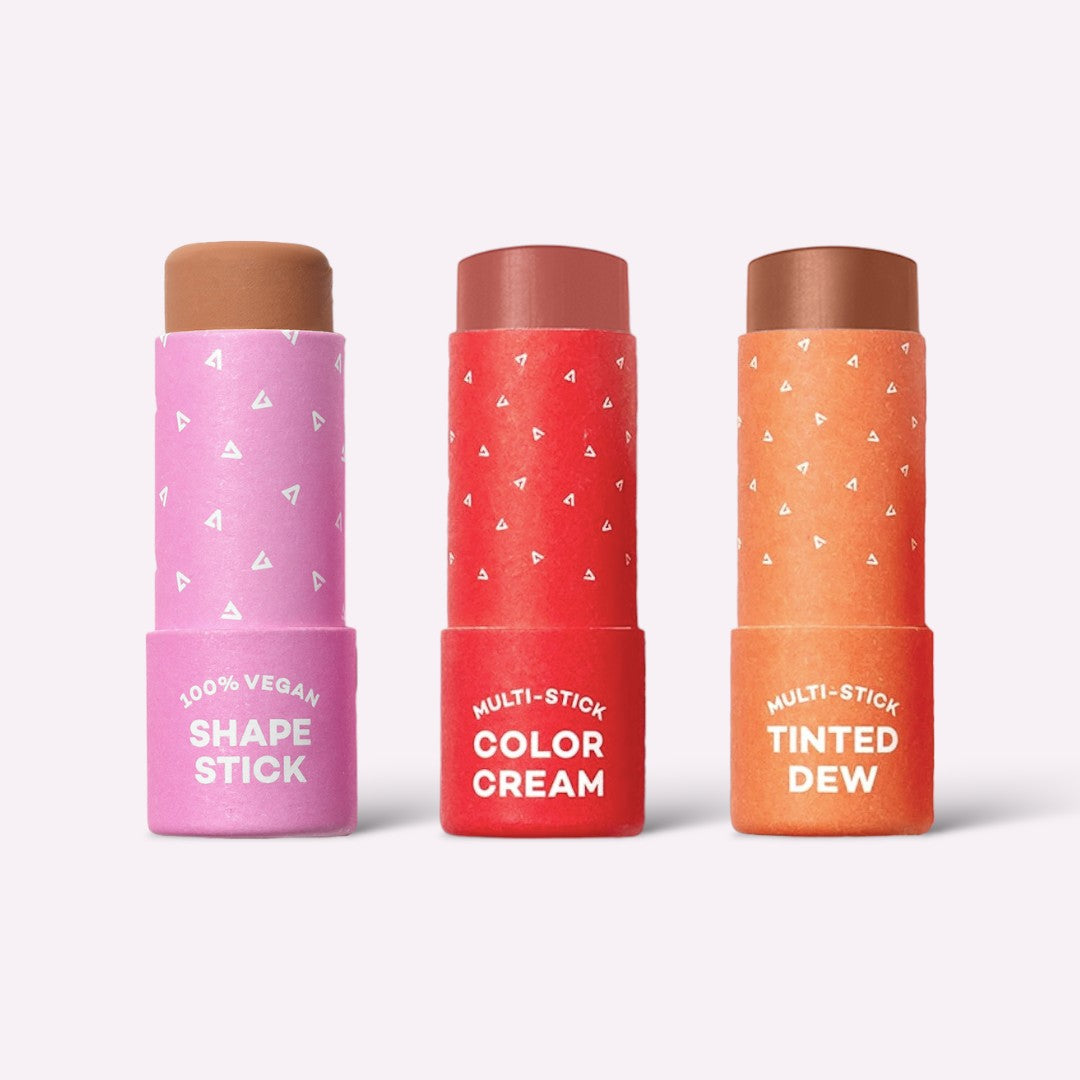
So, what exactly are natural makeup ingredients? At their core, they are plant-derived oils, butters, minerals, and extracts used to create cosmetics that truly work with your skin, not just sit on top of it.
Think of it like choosing whole foods over processed snacks. It’s a conscious decision to nourish your skin with ingredients pulled directly from the earth.
The Growing Shift to Natural Makeup Ingredients
Ever look at a super long, unpronounceable ingredient list and wonder what in the world you were about to put on your face? You’re definitely not alone. There's a huge shift happening in the beauty world, with more and more people moving away from complicated synthetic formulas and embracing the simple elegance of natural makeup ingredients.
This isn't just another fleeting trend; it’s a real, fundamental change in how we think about our cosmetics. It’s all being driven by a collective desire for transparency, better skin health, and a lighter footprint on our planet.
Why Conscious Consumers Are Making the Switch
The idea is pretty straightforward: what we put on our bodies is just as important as what we put in them. Traditional makeup can sometimes be loaded with fillers, preservatives, and chemicals that, for some of us, lead to clogged pores, irritation, or dryness.
Natural formulations, on the other hand, tend to rely on ingredients your skin already recognizes and loves. This growing preference is completely reshaping the industry. People are now looking for:
- Ingredient Transparency: A clear, honest breakdown of what’s in the product and where it came from.
- Skin-First Formulations: Makeup that actually nourishes, soothes, and protects the skin barrier.
- Environmental Responsibility: Products made with sustainably sourced ingredients and packaged with the planet in mind.
It's all about treating makeup as an extension of a healthy lifestyle. When a foundation is built on avocado oil and a lipstick gets its creaminess from mango butter, cosmetics stop being a temporary mask and start becoming daily nourishment.
Beyond the Hype: A New Standard
This evolution is just as much about performance as it is about principles. Brands at the forefront of this movement are proving you don't have to sacrifice quality for clean ingredients. Earth-derived minerals can offer rich, lasting pigments, while plant butters provide that creamy, luxurious texture we all love—easily rivaling their synthetic counterparts.
For example, a company like Axiology is built entirely on this philosophy, crafting products from a minimal, recognizable ingredient list. Their formulas are a perfect showcase of how ingredients like kokum butter and elderberry extract can deliver high-impact color and serious hydration, all without compromise.
This approach shows that natural makeup ingredients aren't just an "alternative" anymore. They are the new standard for effective, conscious beauty that truly cares for you and the planet.
What Are Natural Makeup Ingredients, Anyway?
Diving into the world of natural makeup ingredients can feel like you’re learning a new language. But trust me, it’s way easier than it sounds. Instead of deciphering long, complicated chemical names, you’ll start to recognize ingredients sourced straight from nature. Think of them as individual players on a team, each with a specific, beneficial role in your makeup.
And this isn't some tiny niche trend. It's a full-blown movement. The natural category is now leading the entire cosmetic ingredients market, a space valued at USD 37.61 billion that’s expected to hit USD 61.94 billion by 2034. That kind of growth shows a massive shift in how we think about beauty and what we demand from our products.
This infographic breaks down exactly why everyone is making the switch—it’s a mix of wanting healthier products, being kinder to the planet, and demanding honesty about what we’re putting on our skin.
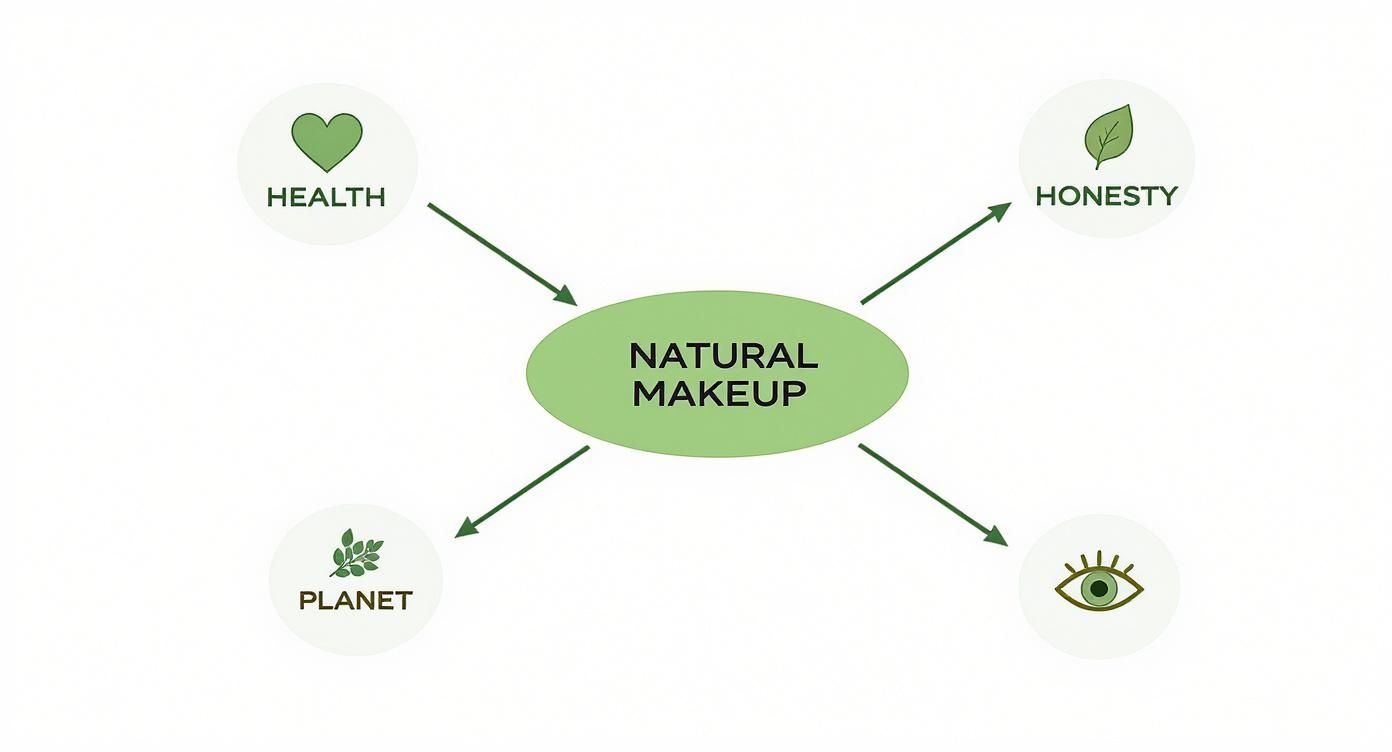
As you can see, going natural is about so much more than just a label. It’s a holistic approach to beauty that’s good for us, gentle on the environment, and totally transparent.
To make things even clearer, let's break down some of the most common natural ingredients you'll find and what they do. This table is a quick cheat sheet for understanding the powerhouses behind your favorite natural products.
Common Natural Makeup Ingredients and Their Benefits
| Ingredient Category | Examples | Primary Function in Makeup | Skincare Benefit |
|---|---|---|---|
| Oils & Butters | Avocado Oil, Castor Oil, Shea Butter, Mango Butter | Provide creamy texture, hydration, and a smooth glide. | Deeply moisturizing, nourishing, and skin-barrier protection. |
| Waxes | Candelilla Wax, Carnauba Wax | Give products solid structure and stability (e.g., lipsticks). | Creates a protective layer to lock in moisture. |
| Minerals | Iron Oxides, Mica, Titanium Dioxide | Provide rich, vibrant pigments and natural shimmer. | Gentle on the skin and offers natural sun protection. |
These ingredients are the building blocks of clean beauty, proving that nature provides everything we need for makeup that both looks and feels incredible.
The Nourishing Oils and Butters
At the very heart of most natural makeup, you'll find plant-derived oils and butters. These are the ingredients that give you that creamy texture and deep hydration, basically turning your makeup routine into a little skincare ritual. They’re responsible for the smooth glide of a lipstick or the blendable feel of a foundation.
You’ll see these names pop up on ingredient lists all the time:
- Avocado Oil: Packed with fatty acids and vitamin E, this oil is a superstar for moisturizing and protecting your skin.
- Castor Oil: Known for its uniquely thick, glossy texture, it gives lip products that beautiful shine while keeping them conditioned.
- Shea Butter: This ultra-rich butter comes from the nut of the shea tree and is famous for its seriously intense moisturizing and soothing powers.
- Mango Butter: A lighter, silkier butter that feels non-greasy, making it perfect for balms and cream blushes.
These are the goodies that make our products feel as good as they look. To see how they all work together, take a peek at our guide on natural lip balm ingredients.
The Sustainable Waxes
So what gives a lipstick or a concealer stick its solid shape? Natural waxes. Unlike their synthetic counterparts, these plant-based alternatives provide structure and stability while often adding their own skin-loving benefits.
A key player here is candelilla wax. It’s sourced from the leaves of the candelilla shrub and is a fantastic vegan alternative to beeswax. It creates a protective barrier on the skin that helps lock in moisture.
This is a perfect example of how we can get that product integrity—that firmness that keeps a lipstick from melting in your purse—without having to rely on animal byproducts or petroleum.
The Earth-Derived Minerals and Pigments
Ever wonder where the gorgeous color in natural makeup comes from? The answer is literally from the earth. Minerals are nature's original pigments, used for centuries to create color for art and cosmetics. They provide those rich reds, earthy tones, and shimmery highlights we love.
If you want to go down a rabbit hole, there are some truly fascinating facts about minerals out there. They really are the planet’s purest ingredients.
The most common mineral pigments you’ll find are:
- Iron Oxides: These compounds of iron and oxygen create a huge spectrum of colors, from deep black to yellows and vibrant reds. They’re loved for being super stable and gentle on the skin.
- Mica: This is the mineral that gives us shimmer and glow. It adds that luminous, light-reflecting finish to highlighters and eyeshadows without any synthetic glitter.
By using these earth-derived pigments, brands like Axiology can deliver high-impact, long-lasting color that is both safe for you and stunningly beautiful. It just goes to show that nature had the best ingredients all along.
How Natural Formulations Benefit Your Skin
Making the switch to natural makeup is a lot like swapping out processed junk food for a diet rich in whole foods. It’s a total game-changer for your face. Instead of just spackling over imperfections, these formulas actually get to work nourishing, protecting, and improving your skin every time you put them on. They do more than just add a pop of color—they deliver real, skin-deep benefits you can see and feel over time.
Let’s be real: conventional makeup can sometimes feel like a temporary mask. It often relies on synthetic ingredients that just sit on the surface or, even worse, clog your pores and cause irritation. But formulations packed with natural makeup ingredients? They’re designed to be friends with your skin’s natural biology.
This way, your makeup becomes a seamless (and super beneficial) part of your daily skincare routine.
Nourishment Over Concealment
One of the best things about natural makeup is its power to feed your skin vital nutrients. We're talking about ingredients like avocado oil, shea butter, and mango butter, which are loaded with vitamins, antioxidants, and essential fatty acids.
These goodies are exactly what your skin needs to maintain a strong, healthy skin barrier—its first line of defense against all the environmental junk thrown at it daily. A happy barrier locks moisture in and keeps irritants out, leaving your skin looking calm, balanced, and feeling great.
So, instead of just faking a smooth canvas with silicone-based primers, natural makeup tackles dryness at the source with real, honest-to-goodness hydration. Use it consistently, and you’ll notice a softer, smoother skin texture long after you've washed it all off.
By focusing on ingredients that truly feed the skin, natural makeup helps boost its overall health. It’s a shift from just hiding flaws to cultivating a complexion that doesn't need much hiding in the first place.
Reduced Irritation and Inflammation
If you have sensitive or acne-prone skin, reading the ingredient list on a conventional product can feel like trying to defuse a bomb. Synthetic fragrances, harsh preservatives, and certain chemical dyes are notorious for causing redness, breakouts, and allergic flare-ups.
Natural makeup formulations generally steer clear of these known troublemakers, choosing gentle, earth-powered alternatives instead. Many plant-based ingredients even have their own built-in soothing properties that help calm things down.
- Kokum Butter: We love this one. It's known for being non-comedogenic (meaning it won't clog your pores) and moisturizes without causing congestion.
- Elderberry Extract: This botanical brings the antioxidant benefits while also having a wonderfully calming effect on the skin.
- Jojoba Oil: This oil's structure is incredibly similar to our skin's own natural sebum, which makes it exceptionally gentle and great for finding balance.
This focus on gentle, skin-loving ingredients means you're way less likely to deal with the inflammation and sensitivity that harsh synthetics can trigger. It’s a much kinder, proactive way to keep your skin happy and clear. You can dive deeper into how natural makeup ingredients are picked for their gentle power in our guide.
Antioxidant Protection and Anti-Aging Benefits
So many plant-derived ingredients are absolute powerhouses of antioxidants. Think of these compounds as your skin’s personal bodyguards, fighting off the damage from free radicals—those nasty, unstable molecules from UV rays and pollution that lead to premature aging.
Ingredients like grapeseed oil, vitamin E (you might see it listed as tocopherol), and various fruit extracts give your skin a daily shield against this environmental stress. This means your foundation or lipstick isn't just coloring your skin; it's actively defending it.
When you weave these protective elements into your everyday routine, you’re supporting your skin’s long-term health and resilience. The result? A complexion that not only looks amazing today but is also better armed to stay looking youthful for years to come. Natural makeup is beauty that truly goes more than skin deep.
Sustainable Sourcing in Natural Beauty
The journey an ingredient takes from a farm or mine to your makeup bag is where the clean beauty story gets really interesting. Sure, the skin-loving benefits are a huge part of the appeal, but a product's true impact goes way beyond your reflection. It’s about understanding the entire lifecycle—how something was grown, who harvested it, and its effect on the planet.
This is where sustainable and ethical sourcing come in. It’s a commitment to ensuring that the beautiful botanicals and minerals in our products are obtained in a way that respects both people and the environment. This conscious approach is a core reason the clean beauty space has exploded.
The global natural and organic cosmetics market, valued at USD 41.65 billion, is projected to more than double to USD 103.23 billion by 2034. That’s a crystal-clear sign that people are demanding more than just clean formulas.
Beyond the Ingredient List
Thinking sustainably means looking at the bigger picture. It’s not just about whether an ingredient is "natural," but also about how it was produced. This means we have to ask some tough questions about the practices behind the products we buy.
- Ethical Labor: Were the farmers and workers who harvested the ingredients paid a fair wage and treated with respect?
- Environmental Impact: Was the ingredient harvested in a way that protects biodiversity and doesn't deplete natural resources?
- Community Support: Do sourcing practices empower local communities, especially in developing regions?
For example, when a brand chooses fair-trade shea butter, it means the women in West African cooperatives who produce it receive fair compensation. That money helps support their families and communities. A simple purchase suddenly becomes a small act of global support.
Navigating Complex Supply Chains
Sourcing natural ingredients isn't always simple, and some materials come with serious ethical baggage. A brand's commitment to sustainability is truly tested by how it handles these tricky issues.
The Controversy Around Mica
Mica is the mineral that gives highlighters and eyeshadows that gorgeous shimmer. The problem? A huge portion of the world's mica comes from mines where child labor and unsafe working conditions are rampant. A truly conscious brand will either source its mica from suppliers certified as child-labor-free or opt for synthetic mica, which mimics the sparkle without the ethical nightmare.
The Problem with Palm Oil
Palm oil is another ingredient that’s everywhere in cosmetics, but it’s a major driver of deforestation, habitat loss for endangered species, and human rights issues. The environmental fallout from its production is devastating. This is exactly why brands like Axiology are committed to being completely palm oil-free. It's a challenging stance, but a crucial one for protecting our planet. Learn more about the decision to be palm oil-free and how you can help in our detailed guide.
True sustainability isn't just about using ingredients from nature. It’s about actively participating in a system that protects nature and uplifts the people who cultivate its resources.
How Conscious Brands Build Better Systems
So, what does a truly ethical supply chain look like in action? It’s all about transparency, accountability, and making deliberate choices that prioritize long-term well-being over short-term profits.
Conscious brands often take these steps:
- Direct Sourcing: Whenever possible, they build direct relationships with farmers and suppliers. This creates more transparency and ensures ethical practices are followed from the ground up.
- Third-Party Certifications: They look for trusted certifications like Fair Trade, COSMOS, or the Leaping Bunny to verify their claims. These labels provide an outside check that a product meets high ethical and environmental standards.
- Ingredient Traceability: They invest in systems that can trace an ingredient all the way back to its source. This accountability is key to keeping unethical materials out of the supply chain.
By taking these extra steps, brands can ensure their natural makeup ingredients are not only good for your skin but also contribute positively to the world. As a consumer, you hold the power to support this movement by choosing brands that are open about where their ingredients come from. Your choices help shape a more beautiful and responsible industry for everyone.
How to Read Labels and Choose Products

Making the move to natural makeup is awesome, but let’s be real—staring at a wall of ingredient labels can feel like you’re about to take a pop quiz you didn't study for. It's overwhelming.
But here’s the secret: once you learn how to decode those lists, you go from hesitant shopper to a total beauty detective. It's all about learning to spot the good stuff and sidestep the ingredients that just don't fit your skin goals.
Think of an ingredient list like a recipe. The first few ingredients are the main event, making up the bulk of the product. The ones at the very end? They're just there in tiny amounts. This one simple rule is your first clue to understanding what you're really putting on your skin.
Decoding the INCI List
Every cosmetic label has something called an INCI list. That stands for International Nomenclature of Cosmetic Ingredients, which is just a fancy way of saying it’s a universal language for ingredients. It uses scientific names so a product in Tokyo has the same ingredient list as one in Toronto.
It might look a little intimidating at first, but it’s actually your best friend for figuring out a product's true colors.
You definitely don't need a chemistry degree. Just start by scanning for names you recognize from nature. Seeing things like Ricinus Communis (Castor) Seed Oil or Butyrospermum Parkii (Shea) Butter right at the top of the list? That's a fantastic sign. It means the product is built on a foundation of nourishing, natural makeup ingredients.
On the other hand, if the list starts with a bunch of long, synthetic-sounding names you can't pronounce, it’s probably worth a closer look to see what you're actually getting.
Reading a label is like looking under the hood of a car. The shiny exterior might look great, but the INCI list tells you what’s actually powering the performance. A short list of recognizable, plant-based ingredients often signals a higher-quality, more focused formulation.
Your Roadmap for Making the Switch
Trying to swap out your entire makeup bag at once is a recipe for stress (and a sad-looking bank account). A much saner approach is to switch over one product at a time. It lets you see how your skin reacts and figure out what you love without all the pressure.
Here’s an easy way to get started:
-
Start with "Leave-On" Products: Begin with the stuff that stays on your skin the longest, like your foundation, concealer, or lipstick. Since these have so much contact time, switching to cleaner options can make the biggest difference.
-
Focus on Daily Essentials: Next up, think about what you use every single day without fail. If you can’t live without your lip balm or a bit of blush, upgrading these staples ensures you’re consistently giving your skin the good stuff.
-
Embrace Multi-Use Products: Honestly, one of the best ways to simplify your routine and your ingredient exposure is with multi-tasking products. We’re huge fans of this, which is why we created our Color Creams to be used on lips, cheeks, and eyelids. They have a super minimal list of powerful ingredients, giving you maximum glam with minimal clutter.
What to Look For and What to Question
As you get more comfortable reading labels, you'll start to see patterns. Certain ingredients are like little green flags, while others are worth a second glance if you’re aiming for a truly clean routine.
Green Flags to Look For:
- Recognizable Plant Oils: Jojoba, Avocado, Grapeseed, Castor.
- Nourishing Butters: Shea, Mango, Kokum.
- Plant-Based Waxes: Candelilla, Carnauba.
- Natural Pigments: Iron Oxides, Mica.
Ingredients You Might Want to Question:
- "Fragrance" or "Parfum": This is a sneaky catch-all term that can hide hundreds of synthetic chemicals.
- Parabens: Preservatives like methylparaben or propylparaben.
- Phthalates: Often hiding in those synthetic fragrances.
- Silicones: Anything ending in "-cone" or "-siloxane." They give products a silky feel but offer zero skincare benefits.
Making informed choices is all about progress, not perfection. By learning to read labels and making thoughtful swaps, you can build a makeup routine that not only looks incredible but also supports your skin's health and aligns with what you believe in.
The Future of Beauty Is Plant Powered
Our little tour through the world of natural makeup ingredients points to one simple, powerful truth: beauty is changing. It's not just about finding the perfect shade anymore. It’s about making a conscious choice to nourish our skin, look out for our planet, and demand some real honesty from the brands we buy.
This shift turns makeup from something you just put on your face into a daily act of self-care—a true extension of your skincare routine.
The future is all about science and nature teaming up to make clean, effective, and sustainable beauty the new normal. Every time you choose a product built on a plant-powered foundation—like rich avocado oil or soothing kokum butter—you're casting a vote for a better, healthier industry. You're saying yes to formulas that put skin wellness first, instead of relying on synthetic shortcuts.
As we move toward this future, it helps to appreciate where these ingredients even come from. For instance, when you learn about the detailed care of aloe vera plants, you gain a whole new level of respect for what goes into our products.
Empowerment really does come from knowledge. You now have the tools to read labels, ask about sourcing, and pick products that actually line up with what you believe in. It’s about more than just looking good; it's about feeling incredible, inside and out.
This whole movement toward natural beauty is really just a return to our roots. It proves that the most powerful solutions have been right here all along, waiting for us. You're now totally equipped to build a routine that helps you truly thrive.
Let's Talk Natural Makeup: Your Questions, Answered
Diving into the world of natural beauty can bring up a lot of questions. As more of us get curious about what we’re putting on our skin, it’s only natural to wonder how these products actually work, what to look for, and if they can really deliver. We get it. Let's clear things up.
And this curiosity is booming. A whopping 74% of us now say that organic ingredients are a big deal in our personal care choices. The market is definitely listening, with projections showing it could grow from US$28.4 billion to a massive US$54.3 billion by 2032. You can geek out on all the details in this in-depth market analysis.
So, Do Natural Makeup Ingredients Really Work as Well?
Absolutely. This is probably the biggest myth still floating around about clean beauty. We've all heard the stories about early natural makeup—chalky textures, weak pigments, zero staying power. But things have come a long way.
Today’s brands are using incredible, high-quality minerals from the earth, like iron oxides, to create rich, long-lasting colors that can go head-to-head with any synthetic dye. It’s all about smart formulation. We pair these pigments with nourishing oils and butters for that super smooth, blendable feel, and use plant-based waxes to give structure to products like lipsticks and concealers. High-performance makeup doesn't mean you have to compromise on ingredients anymore.
The takeaway? The idea that "natural" means less effective is totally outdated. Modern, innovative formulas prove that plant and mineral-based ingredients can give you vibrant color, luxurious textures, and serious longevity—all while being kind to your skin.
Are Natural Ingredients Always Better for Sensitive Skin?
For the most part, yes, but it's not a one-size-fits-all situation. Natural formulas skip the common culprits that often irritate sensitive skin, like synthetic fragrances, harsh preservatives, and certain dyes. Instead, they’re packed with gentle, soothing ingredients like kokum butter and jojoba oil.
But here’s the thing: you can be sensitive or allergic to just about anything, even if it comes from nature. Think of it like a food allergy. For some people, certain essential oils can be a trigger. The best move is always to patch-test a new product before going all-in.
How Can I Tell if a Product Is Truly Natural?
Reading the label is your superpower. It can feel a little like decoding a secret message at first, but here are a few simple tricks to become a pro shopper:
- Scan the First Five: Ingredients are listed in order of concentration. If you see recognizable plant oils, butters, or minerals at the top of the list, that’s a great sign.
- Look for Certifications: Seals like COSMOS, Fair Trade, or Leaping Bunny (for cruelty-free) are your friends. They mean a third party has verified the brand's claims, so you don't just have to take their word for it.
- Watch Out for "Greenwashing": Pretty words like "eco-friendly" or "botanical" can be slapped on a label without much regulation. Don't be fooled by the marketing—always flip the package over and check the full ingredient list to see what’s really inside.
Here at Axiology, we want to make this whole process way simpler. That's why we're all about transparent, minimal-ingredient lists packed with nourishing, plant-powered goodness.
Come see the difference for yourself and check out our collection of multi-use, plastic-free makeup.