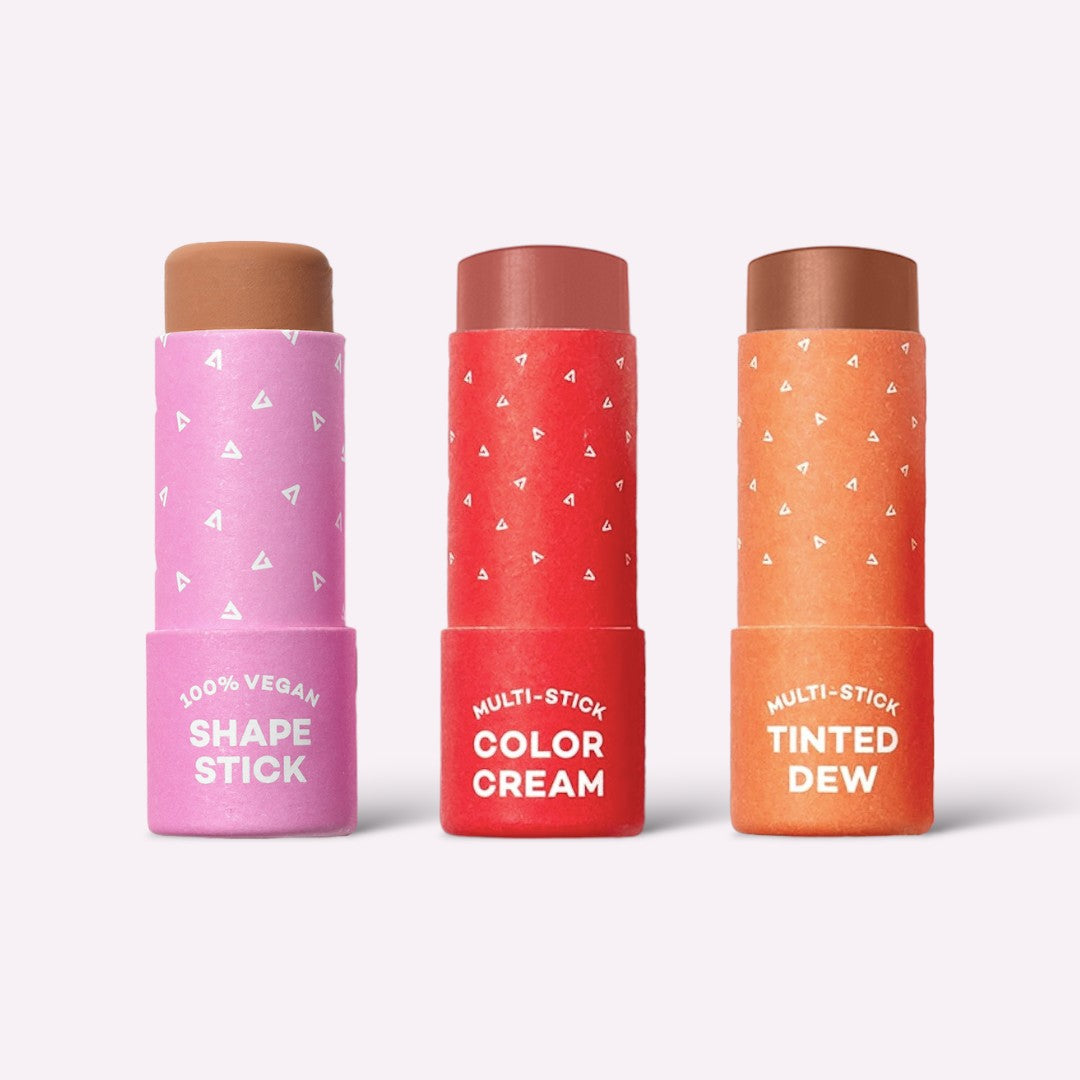
Think of a non toxic concealer as makeup that moonlights as skincare. It’s a formula that gives you that flawless coverage you’re looking for, but without any of the questionable ingredients often linked to skin irritation or other health worries.
Instead of relying on harsh synthetics, these concealers are packed with nourishing botanicals and minerals. The goal is to work with your skin, not against it.
What Defines a Non Toxic Concealer
At its heart, a non toxic concealer is all about one simple, powerful idea: what you put on your skin should be safe enough to be in your body. It’s a total shift in thinking, moving makeup from something that just covers up to something that actively cares for your skin.
This isn’t just about dodging a few "bad" ingredients. It's a complete rethink of how we should approach cosmetics.
Conventional concealers are often built for performance above all else, which can mean using chemicals that clog pores, trigger sensitive skin, or worse. A non toxic concealer, on the other hand, is formulated with your long-term health as the top priority.
It’s built from the ground up with safe, gentle, and effective ingredients. That’s why you’ll see things like avocado oil for a dose of hydration, castor seed oil for a smooth finish, and elderberry extract for antioxidant protection. These ingredients are picked not just for coverage, but for their skin-loving benefits. To get the bigger picture, you can dive into the world of non-toxic makeup as a whole.
The Clean Beauty Movement
This laser focus on ingredient safety is part of a much bigger wave. The clean beauty market, which includes non toxic concealers, has exploded as people become more aware and curious about what’s actually in their products.
The global clean beauty market hit around $8.25 billion in 2023 and is expected to skyrocket to $21.29 billion by 2030. That’s a huge signal that people are demanding safer, more transparent beauty.
That incredible growth isn't just a trend; it's a clear message. We want products that put our health first without making us compromise on performance. And as more of us seek out better alternatives, the quality and variety of non-toxic options just keep getting better.
Beyond the Label
Choosing a non toxic concealer is about so much more than avoiding a list of chemicals. It's about making a conscious choice to support your skin's health every single day.
It’s for anyone who's ever dealt with a breakout from a heavy, pore-clogging formula. Or for anyone who's felt their skin get dry and tight after a long day of wearing makeup.
Making the switch means you're taking a proactive approach to your beauty routine. You're making sure that the products you put on your most delicate skin—like right under your eyes—are actually doing some good instead of creating new problems. It’s makeup that makes you look great right now, and feel even better about your choices for the long haul.
Decoding Your Concealer's Ingredient Label
Staring at a makeup ingredient label can feel like trying to read a foreign language. All those long, scientific-sounding names are seriously intimidating, right? But learning what to look for is the single most empowering thing you can do to find a truly non toxic concealer.
Think of it like learning to read a nutrition label. The skill of decoding ingredient lists and understanding what's truly inside is the same whether you're checking out a protein bar or your next concealer. It’s all about knowing what you want to see—and what you definitely don’t.
Key Ingredients to Sidestep
Some ingredients show up again and again in conventional makeup because they're cheap and they work. They help a product last longer or feel smoother. The problem is, their potential impact on our skin and health isn’t always worth the trade-off.
Here are a few of the biggest culprits you’ll want to give a hard pass:
- Parabens (like methylparaben, propylparaben): These are preservatives used to stop mold and bacteria from growing. The catch? Parabens can act like estrogen in the body, which can mess with your natural hormonal balance. It’s like radio static getting in the way of a clear signal.
- Phthalates (like DBP, DEHP): Often used to make plastics more flexible, these can sneak into products hidden inside synthetic fragrances. Like parabens, they’re known endocrine disruptors, adding even more static to your body’s internal communication.
- Sulfates (like Sodium Lauryl Sulfate - SLS): While you see these more in cleansers, they can pop up in liquid makeup to get a certain texture. They’re basically harsh detergents that can strip your skin’s protective barrier, leaving it dry and irritated.
- Synthetic Fragrances: This one little word on a label can legally hide dozens of unlisted chemicals, including phthalates and potential allergens. Because brands don’t have to tell you what’s in their “fragrance,” it’s a huge red flag if you’re looking for a truly non-toxic product.
This visual guide helps break down what a non-toxic concealer is all about, from the big-picture philosophy to the specific ingredients.
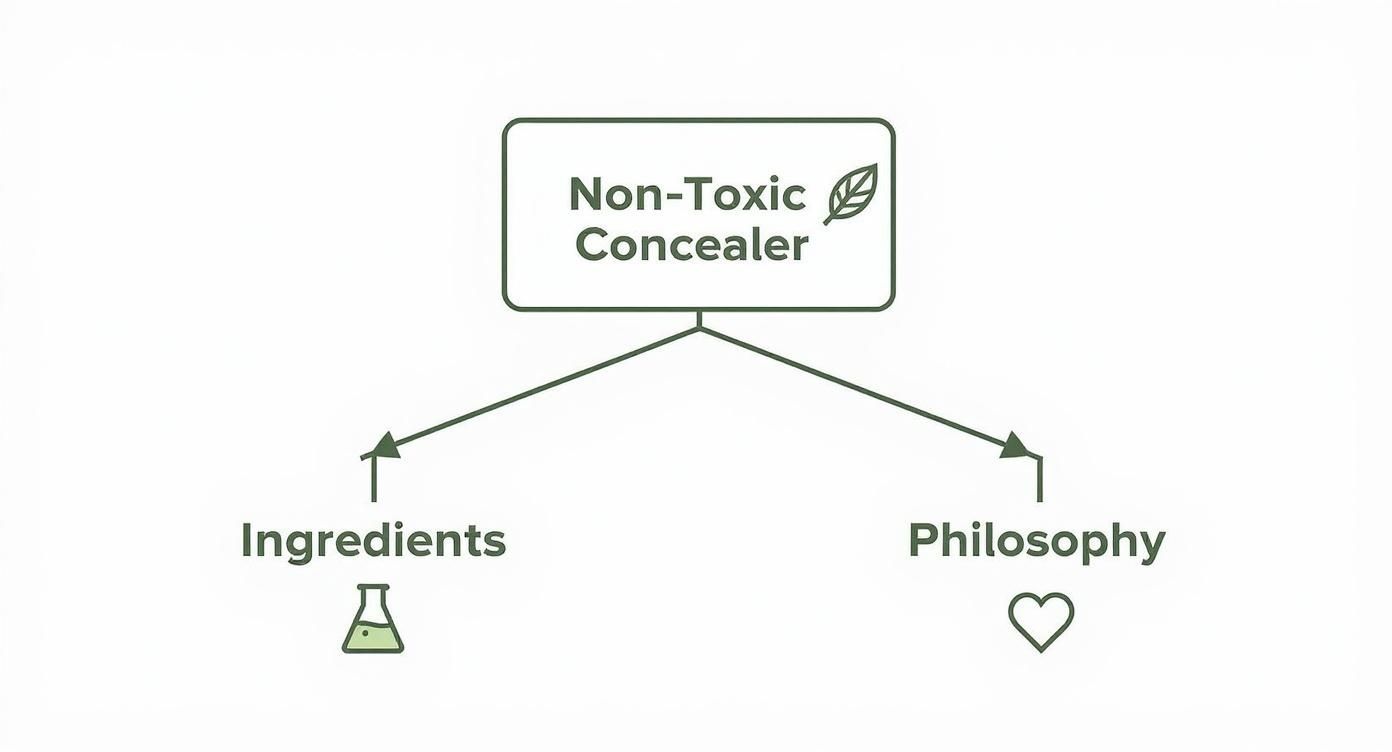
As you can see, a great product isn’t just about having safe ingredients; it comes from a deeper commitment to health and wellness.
What to Look For Instead
Okay, now for the fun part. The best non toxic concealers are packed with ingredients that actually nourish your skin while giving you that flawless coverage you’re after. They ditch the harsh chemicals for powerful botanicals and gentle minerals.
Choosing a non toxic concealer isn't just about avoiding the bad stuff; it's about actively choosing the good. The goal is a product that makes your skin healthier every single time you put it on.
You’ll find that the best formulas swap out questionable synthetics for ingredients that are way more beneficial. For instance, instead of chemical preservatives, a clean brand might use natural antimicrobial ingredients like elderberry or rosemary extract. And instead of synthetic fragrances, they’ll use pure essential oils for a light, safe scent—or just skip fragrance altogether.
Learning more about the power of natural ingredients for makeup will show you just how much these alternatives can do for you. Things like avocado oil, castor seed oil, and kokum butter not only perform beautifully but also feed your skin with vitamins and hydration. When you become a savvy label reader, your makeup bag basically becomes an extension of your skincare routine, ensuring everything you use helps you look—and feel—radiant.
How to Spot Genuinely Clean Beauty Brands
Navigating the world of clean beauty can feel like walking through a crowded market. With every brand shouting "natural" and "eco-friendly," how do you actually know who to trust? This is where a little bit of label detective work goes a long way in finding a truly non toxic concealer.
So many brands are guilty of "greenwashing," a sneaky marketing tactic that uses buzzwords to make a product seem healthier or more earth-friendly than it is. It's the art of looking clean without doing the real work.
Fortunately, there are clear signals that separate the genuinely committed brands from the pretenders. The most reliable signs are third-party certifications. Think of these as a passport stamp for your beauty products—they've been independently checked out and held to a seriously high standard.
Understanding Key Certifications
Looking for official seals is the fastest way to cut through all the marketing noise. These organizations have super strict criteria that brands must meet, giving you a layer of trust that a brand’s own claims just can’t match.
Here are a few of the most respected certifications to keep an eye out for:
- EWG Verified™: This seal from the Environmental Working Group means a product dodges ingredients of concern, provides full transparency, and follows good manufacturing practices. It's one of the toughest standards for health and safety in the U.S.
- Leaping Bunny Certified: This is the gold standard for cruelty-free. It’s a guarantee that no animal testing happened at any stage of product development, from the raw ingredients to the final tube of concealer.
- USDA Organic: While you see this more often in skincare, if a makeup product has this seal, it means at least 95% of its ingredients are certified organic, grown without synthetic pesticides and fertilizers.
These certifications are basically your trusted allies. They do the heavy lifting of ingredient research and supply chain snooping for you, so you can shop with confidence knowing a product meets legit health and ethical standards.
Looking Beyond the Seals
While certifications are a huge help, a brand's overall vibe and transparency also speak volumes. A truly clean beauty brand lives and breathes its mission, and it shows in everything they do.
A great way to gauge this is by checking out their packaging. Are they using glass, recycled paper, or other sustainable materials? A company dedicated to non-toxic living usually extends that care to its environmental footprint. Another clue is ingredient transparency—the best brands are proud of what's in their products and make it easy for you to find and understand their ingredient lists.
Exploring lists of the best clean beauty brands can also introduce you to companies that are already leading the pack in safe and ethical practices. It’s a great shortcut to discovering brands already vetted and loved by the clean beauty community.
Ultimately, spotting a genuinely clean brand is about looking for proof, not just promises. It’s about seeking out those who are open about their formulas, committed to doing the right thing, and backed by trusted, independent verification. When you find a brand that checks all these boxes, you know you've found a real partner for your skin's long-term health.
Finding the Right Non Toxic Concealer for Your Skin
Okay, you’ve done your homework on what ingredients to avoid. Now comes the fun part: finding a non toxic concealer that feels like it was made just for you. This is where you get to move past the label and really dial in on what makes a concealer perform beautifully.
It all comes down to three things: your skin type, the coverage you want, and nailing the perfect shade.
Think of it this way: a great concealer shouldn't just hide things; it should work with your skin. The right formula provides comfort, nourishment, and a boost of confidence, all while making your skin look incredible.
Match the Formula to Your Skin Type
Your skin's personality is the biggest clue here. A concealer that’s amazing for oily skin might look flaky on dry skin, and a dewy formula could slide right off if you’re prone to shine. Getting familiar with insights into various skin concerns can be a game-changer.
Here's a quick guide to what your skin might love:
- For Dry or Mature Skin: You want hydrating, plumping ingredients. Hyaluronic acid is a superstar for moisture, while creamy plant butters like shea or kokum keep things smooth and prevent creasing. Jojoba and avocado oils are also amazing for keeping the delicate under-eye area happy.
- For Oily or Combination Skin: Balance is your best friend. Look for formulas with ingredients like kaolin clay to gently absorb extra oil. Lightweight, non-comedogenic oils like grapeseed or castor seed oil are perfect for a smooth application that won’t clog pores.
- For Acne-Prone or Sensitive Skin: Think calm. Zinc oxide is a hero for soothing inflammation, and gentle botanicals like chamomile and calendula can help dial down redness. Always, always look for formulas labeled “non-comedogenic.”
Select Your Ideal Coverage Level
Let’s be real, our skin’s needs can change daily. One day you might just want to brighten things up, and the next you might have a blemish you want to disappear completely. That's why understanding coverage is key.
Your concealer’s job is to provide targeted camouflage where you need it most. Having different coverage options allows you to create a natural, seamless finish for any situation without feeling weighed down by heavy makeup.
This desire for versatility is huge. The global face concealer market was worth about $7.2 billion in 2021 and is projected to climb to $12 billion by 2031. Buildable liquid cream concealers are leading the way, fitting perfectly into that "no-makeup makeup" vibe everyone loves.
- Light Coverage: Ideal for those minimal makeup days. It’ll gently blur and brighten without ever looking like you’re wearing makeup. Think sheer and dewy.
- Medium Coverage: This is your do-it-all option. It’s perfect for covering redness, dark spots, and most blemishes while still letting your real skin show through. Most are buildable, so you can add a little extra where you need it.
- Full Coverage: For when you need some serious camouflage power. A tiny dot can completely cover a stubborn blemish or deep under-eye circles. The trick is to use it sparingly!
How to Find Your Perfect Shade Match
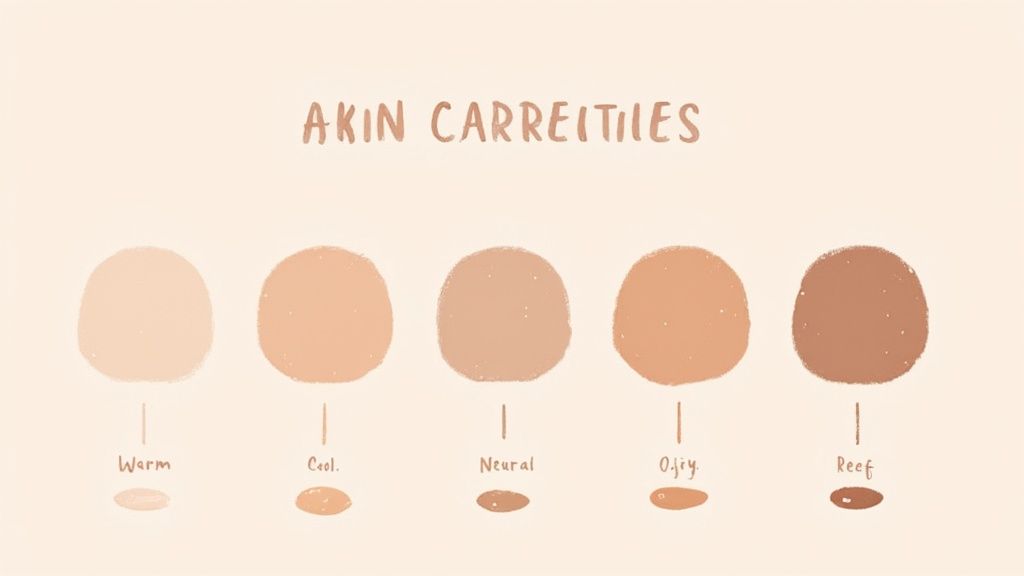
Nailing your shade is the final piece of the puzzle, and it's all about understanding your undertone—that subtle color just beneath your skin's surface.
1. Identify Your Undertone:
- Cool: You see hints of pink or red. The veins on your wrist might look blue, and you usually burn before you tan.
- Warm: You notice yellow, golden, or peachy tones. Your veins probably look a bit green, and you tan pretty easily.
- Neutral: A little bit of both! Your veins might look blue-green.
2. Select the Right Concealer Shade:
- For Under-Eyes: Go one to two shades lighter than your foundation. Pick an undertone that cancels out your darkness—peach or yellow tones are miracle workers for bluish circles.
- For Blemishes: Match your foundation shade exactly. Going lighter will just put a spotlight on the spot you’re trying to cover.
By keeping your skin type, coverage needs, and perfect shade in mind, you can confidently pick a non toxic concealer that not only looks amazing but also loves your skin right back.
How to Apply Concealer for a Flawless Natural Finish
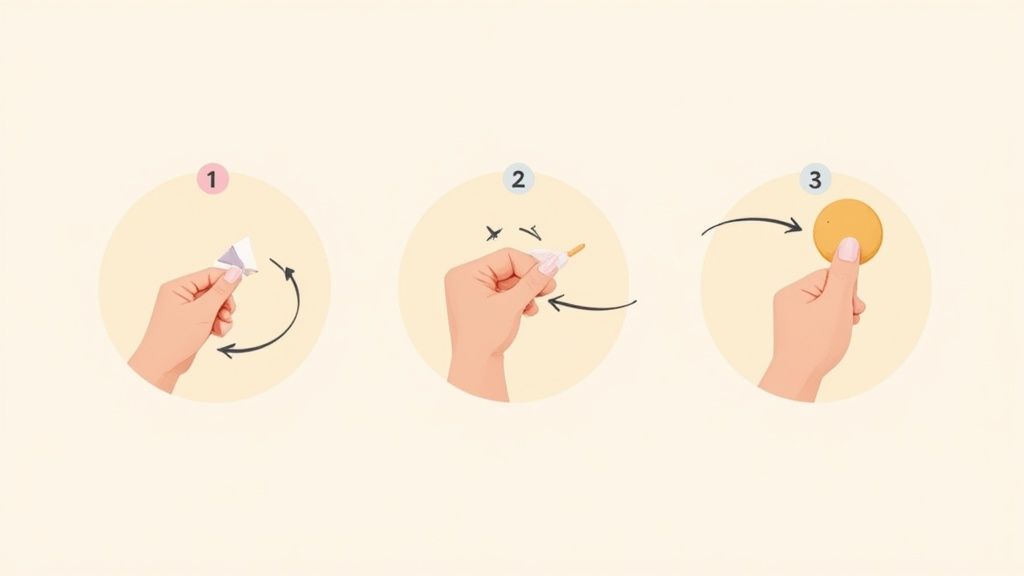
Finding a great non toxic concealer is a huge win, but the real magic happens in how you put it on. A few simple techniques can take your finish from just "covered up" to totally seamless and radiant. The goal is to look like your skin, but on its best day.
Think of your skin like an artist's canvas. You wouldn't just start painting without prepping it first, right? The same goes for concealer. Starting with a clean, moisturized face is non-negotiable for a blend that lasts.
Hydrated skin is happy skin, and it stops concealer from grabbing onto dry spots or settling into fine lines. A lightweight moisturizer or a good eye cream creates a smooth, plump surface so the product just glides on. Give it a minute or two to really sink in before you start—trust me, this tiny pause makes all the difference.
Choose Your Application Tool
Your tool of choice has a huge impact on the final look. There’s no single "best" way to do it; it really just boils down to the vibe you're going for. Each one gives a slightly different effect, so it's worth playing around to find what you love.
- Your Fingertips: The warmth from your fingers is amazing for melting the product right into your skin. It gives the most natural, second-skin finish. Just gently tap it in with your ring finger, which has the lightest touch.
- A Concealer Brush: For super precise, targeted coverage, a small, dense brush is your best friend. It’s perfect for covering blemishes or getting into tight corners without overdoing it on the rest of your face.
- A Damp Makeup Sponge: If you're after a sheer, airbrushed effect, grab a sponge. It presses the concealer into the skin while soaking up any extra product, which is key to avoiding that heavy, caked-on look.
Master Key Application Techniques
Okay, skin is prepped and your tool is ready. Let's get to it. Different parts of your face need slightly different approaches to look their best.
1. For Brightening Under-Eyes (The Triangle Technique)
Forget swiping a single line right under your eye. Instead, draw an inverted triangle. The base should run along your lower lash line, with the point aiming down toward your cheek.
This little trick does way more than just hide dark circles—it creates an illusion of lift and brightness for your whole face. Gently blend out the edges of the triangle so there are no harsh lines. This small shift in shape makes a significant difference.
2. For Covering Blemishes (The Stippling Method)
When you're dealing with a blemish, rubbing or swiping is your enemy. That motion just wipes the product away. The key is to stipple, or tap, instead.
Apply a tiny dot of non toxic concealer right on the spot. Then, use your finger or a small brush to tap around the very edges, blending it into the skin around it. This gives you concentrated coverage that actually stays put.
3. Troubleshooting Common Concealer Issues
Even the pros run into little hiccups. The good news is, they're almost always an easy fix.
- Creasing: If your concealer is settling into fine lines, you're probably using a bit too much. Try applying it in super thin layers. A very light dusting of translucent powder can also help lock it in place.
- Oxidation: This is when your concealer decides to turn a darker, orangey shade a few hours after you apply it. It’s a formula thing, not an application error. The only way to avoid it is to patch-test a new concealer on your jawline and see how it behaves after a while.
- Cakiness: This usually happens from either going too heavy-handed or applying to dry, thirsty skin. The mantra is: start with less than you think you need. You can always build it up. A quick spritz of a facial mist can also work wonders to help everything melt together for a fresher look.
Beyond Ingredients: The Ethics of Your Concealer
Choosing a non toxic concealer is a bigger deal than you might think. It goes way beyond just what’s good for your own skin—it’s about voting with your dollar for a beauty industry that's kinder and more thoughtful all around. Think about it: every product has a story, from its ingredients to its packaging and whether or not it was tested on animals. When you start looking at the bigger picture, your concealer becomes a reflection of your values.
And our choices really do add up. The global concealer market is absolutely massive, and it’s on track to hit around $7.36 billion by 2025. A huge chunk of that growth, jumping from $2.43 billion in 2021 to an estimated $3.08 billion in 2025, is happening in the Asia Pacific region alone. This isn't just a local trend; it's a worldwide demand. You can dive deeper into the numbers on the global concealer market growth here. All this to say: we, the consumers, have a ton of power to push brands to do better.
The Problem with Packaging
Let’s be real, traditional makeup packaging is a huge part of the plastic waste problem. Those single-use plastic tubes, compacts, and wands? Most of them head straight for the landfill, where they’ll hang around for centuries. A truly non-toxic philosophy has to consider the health of our planet just as much as the health of our skin.
Thankfully, conscious brands are on it. They're ditching virgin plastics and getting creative with earth-friendly materials.
Here’s what that looks like:
- Glass Pots and Bottles: Not only do they look chic on your vanity, but glass is infinitely recyclable. It’s a win-win for liquid and cream formulas.
- Recycled Materials: You’ll see a lot of brands using post-consumer recycled (PCR) plastic or paper. This gives old materials a second life and cuts down on the need to make new plastic from scratch.
- Refillable Systems: This is where things get really exciting. Brands are designing gorgeous, durable compacts that you keep forever. When you run out, you just pop in a new pan of product. It’s a simple switch that massively reduces waste.
Ethical Sourcing and Cruelty-Free Commitments
The story behind a product’s ingredients matters just as much as what those ingredients are. Ethical sourcing is all about making sure every single component was obtained in a way that’s fair to both people and the planet.
A brand's ethics are revealed in its supply chain. It's about ensuring that the shimmer in your concealer didn't come at the cost of human dignity or animal welfare. True clean beauty is beautiful from start to finish.
A big one to watch out for is mica, a mineral that gives a lot of cosmetics their shimmer. Sadly, the mica industry has been tied to child labor and dangerous working conditions in some parts of the world. Brands that are truly committed to doing good will only source their mica from suppliers that are certified to be free of child labor.
And, of course, a genuine non toxic concealer must always be cruelty-free. No excuses. This means zero animal testing at any point, from the raw ingredients to the finished tube. Look for the Leaping Bunny certification—it’s the gold standard. When you choose brands that are serious about sustainable packaging and ethical sourcing, you’re doing more than just buying makeup. You're connecting your daily routine to a much larger movement for positive change.
Common Questions About Non Toxic Concealers
Deciding to clean up your makeup bag and switch to a non toxic concealer is a great move, but it’s totally normal to have questions. Confidence is key, so let's tackle some of the most common things people wonder about.
Think of it as a quick chat to clear up any doubts. The world of clean beauty has come such a long way, and the performance you'll get from today's products will probably surprise you—in the best way possible.
Do They Actually Perform Well?
Yes, they really do. The days when choosing a "clean" option meant you had to settle for a sub-par product are long gone. Today’s non toxic concealer formulas are packed with high-performance botanicals and smart minerals that give you incredible coverage, a seamless blend, and impressive staying power.
A lot of people actually find that a quality non toxic concealer works better for their skin in the long run. Since these formulas skip the harsh irritants and pore-clogging ingredients, they work with your skin, not against it. It's a win-win.
The performance of today's non toxic formulas rivals, and often surpasses, their conventional counterparts. The focus on skin-nourishing ingredients means you get cosmetic benefits and skincare perks in one beautiful product.
Is "Natural" the Same As "Non Toxic"?
This is a fantastic question, and the answer is no, not necessarily. "Non-toxic" is a specific claim meaning a product is intentionally made without ingredients known or suspected to cause harm. It’s all about safety.
"Natural," on the other hand, is a super vague marketing term that isn't regulated. It can be pretty misleading. While many awesome non toxic concealers use beautiful, natural ingredients, something labeled "natural" can still contain things that might irritate your skin. The key is to look for a brand's real commitment to safety and transparency, not just buzzwords.
Are They Better for Acne-Prone Skin?
For the most part, yes. Non toxic concealers are usually a much kinder choice for breakout-prone skin. They tend to avoid the heavy, pore-clogging silicones and other synthetics found in conventional makeup that can trap oil and bacteria, leading to more blemishes.
Instead, they often contain skin-calming, non-comedogenic ingredients like jojoba oil or anti-inflammatory goodies like zinc oxide. These ingredients can actually help soothe redness and irritation while they cover, making your concealer a helpful part of your overall skin strategy.
Ready to experience a concealer that’s both high-performance and incredibly kind to your skin? Explore the Axiology difference and discover makeup that feels as good as it looks. Find your perfect match today.