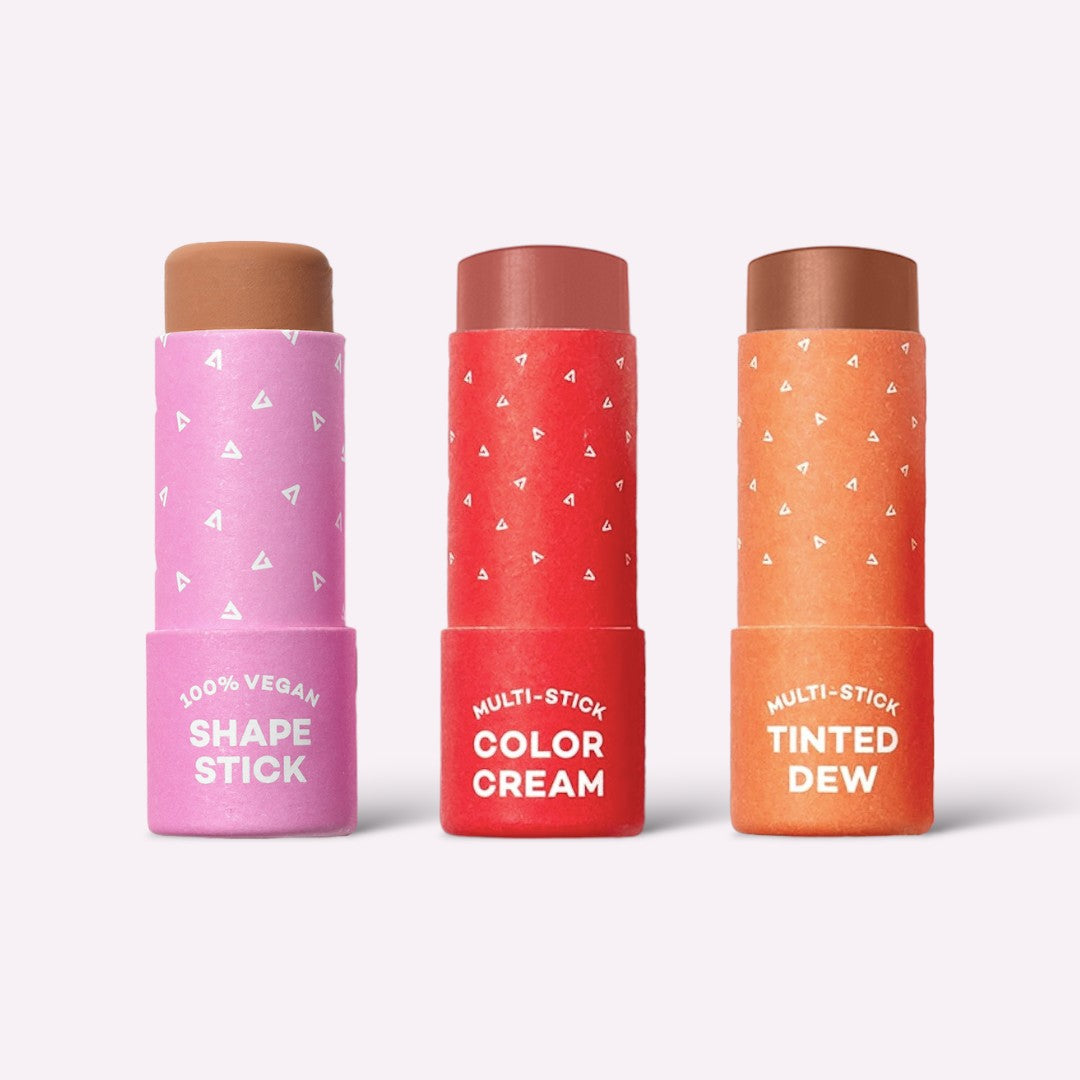
When you're on the hunt for a great vegan lip balm, it’s about more than just a label. It's about knowing what's really inside that tube and understanding how a truly plant-based product stands apart from the crowd. This small distinction is the first step toward making a choice that feels good for your lips, the planet, and its inhabitants.
What "Vegan" Actually Means for Your Lip Balm
Let's cut right to it: a lip balm is only vegan if its ingredient list is completely free of anything sourced from an animal. That’s the hard and fast rule.
It sounds straightforward, but this is where people often mix things up with another important term: cruelty-free. They’re close cousins but mean different things.
- Vegan is all about the ingredients. No animal-derived stuff. Period.
- Cruelty-Free is about the testing process. It means no animals were used to test the final product or its ingredients.
A lip balm can easily be cruelty-free but not vegan. A perfect example is a balm that wasn't tested on animals but uses beeswax. For those of us who want the full ethical package, the goal is to find a product that is both vegan and cruelty-free.
The Usual Suspects: Common Non-Vegan Ingredients
To become a savvy shopper, you need to know what to look out for on an ingredient label. Traditional lip balms have long relied on animal byproducts to get that smooth, protective texture.

The biggest one you'll see is beeswax, sometimes listed as cera alba. It’s a fantastic emulsifier and creates a nice barrier on the lips. But since it comes from the labor of bees, it's off the table for any vegan formula. If you want to dive deeper into this, you can read more about what’s the matter with beeswax.
A few other red flags to keep an eye out for are:
- Lanolin: A waxy substance that comes from sheep’s wool.
- Carmine: A red colorant made from crushed cochineal insects.
- Honey: Another direct product from bees.
Here’s a quick-glance table to help you spot the difference on an ingredients list.
Common Ingredients Vegan vs Traditional Lip Balms
| Common Non-Vegan Ingredient | What It Is | Common Vegan Alternative |
|---|---|---|
| Beeswax (cera alba) | A wax produced by honey bees. | Candelilla wax, Carnauba wax, Sunflower wax |
| Lanolin | A greasy substance from sheep's wool. | Shea butter, Kokum butter, Coconut oil |
| Carmine (cochineal) | A red pigment from crushed insects. | Beetroot extract, Red iron oxide |
| Honey | A sweet substance made by bees. | Agave nectar, Maple syrup, Plant-based oils |
The good news is that we don't need these ingredients anymore. Modern, conscious brands have mastered the art of creating incredible textures and lasting moisture using only plant-based powerhouses.
A truly vegan lip balm proves you don't have to compromise. It skillfully swaps out animal-derived ingredients for beautiful, effective alternatives like rich kokum butter or silky candelilla wax, showing that kindness and high performance can absolutely go hand-in-hand.
This isn’t just a niche trend anymore; it's a full-blown movement. The demand for vegan cosmetics is booming, and that’s pushed brands everywhere to innovate. They're not just creating vegan options but are also going the extra mile to get them certified, making it easier for all of us to shop with confidence. What was once a health-food-store specialty is now a mainstream must-have.
How to Read Lip Balm Labels Like a Pro
Diving into the world of vegan lip care can feel a bit like learning a new language, especially when you’re staring down a long, complicated ingredient list. But here's the good news: once you know what to look for, you'll be able to scan any label with confidence. Think of it as becoming a detective for your own well-being—it’s incredibly empowering to know exactly what you’re putting on your body.

The secret isn’t memorizing every chemical compound. It's about learning to spot the usual suspects—the common animal-derived ingredients—first. Once you can pick those red flags out of a lineup, the rest of the label gets a whole lot easier to understand.
Spotting the Red Flags
For decades, certain ingredients have been the go-to choices for traditional lip balms. They're cheap, they work, and they’re everywhere. The problem? Their origins make them an immediate "no" for anyone looking for a truly vegan product.
When you pick up a tube, keep an eye out for these four big ones:
- Beeswax (Cera Alba): This is, by far, the most common non-vegan ingredient you’ll find. It’s an effective occlusive, which means it creates a barrier on your lips to lock moisture in. It also gives lip balm that classic firm texture and easy glide.
- Lanolin: A powerful emollient that softens and moisturizes, lanolin is actually derived from sheep's wool. It’s a staple in formulas for severely dry skin, but its animal source makes it a definite red flag.
- Carmine (Cochineal Extract, CI 75470): If your lip balm has a reddish tint, check the label for carmine. This vibrant red pigment is made from crushed cochineal insects—it takes thousands of them to produce just one pound of dye.
- Honey (Mel): Known for its ability to draw moisture from the air (a humectant), honey is another ingredient sourced directly from bees. While it has its benefits, it doesn't align with vegan principles.
Just knowing these key terms is your most powerful tool. If you spot any of them on the list, you can put it back on the shelf, no matter what the pretty packaging claims.
Celebrating the Green Flags
Alright, now for the fun part: discovering the amazing plant-based ingredients that make vegan lip balms so effective. These are the "green flags" you want to see, especially near the top of the list. They’re proof that nature gives us everything we need for soft, healthy lips without having to rely on animal byproducts.
The best vegan lip balm brands have perfected their formulas with a beautiful symphony of plant waxes, butters, and oils.
Plant-Based Waxes for Structure and Protection
Instead of beeswax, vegan formulas turn to waxes from the plant kingdom to provide that crucial protective barrier and solid form.
- Candelilla Wax: Sourced from the leaves of the Candelilla shrub, this wax gives balm a smooth, glossy finish and helps it glide on effortlessly.
- Carnauba Wax: Often called the "queen of waxes," this one comes from a Brazilian palm tree's leaves. It's one of the hardest natural waxes, giving the product durability and a protective sheen.
- Sunflower Seed Wax: This is a much softer, creamier wax that nourishes the skin while giving the lip balm a lovely, non-greasy feel.
When you choose a lip balm with candelilla or carnauba wax, you're not just avoiding an animal product; you're opting for a plant-powered alternative that offers its own unique set of protective and textural benefits. It's a direct swap that often enhances the final product.
Nourishing Butters and Oils for Deep Hydration
To replace the intense moisture from ingredients like lanolin, vegan balms rely on rich, nutrient-packed butters and oils that feel absolutely luxurious.
- Shea Butter: A true skincare hero, shea butter is loaded with vitamins and fatty acids that deeply moisturize and soothe chapped lips.
- Cocoa Butter: Not only does it smell incredible, but this rich butter is also fantastic at creating a long-lasting barrier to stop moisture from escaping.
- Jojoba Oil: This oil is a superstar because its structure is incredibly similar to our skin's own natural oils (sebum). That means it absorbs beautifully and hydrates without ever feeling heavy.
- Coconut Oil: Famous for its moisturizing and antimicrobial properties, coconut oil leaves lips feeling soft and completely supple.
With this knowledge in your back pocket, you’re no longer just a shopper; you’re an informed expert. Every label you read becomes an opportunity to make a choice that feels right for you, ensuring your lip care is both incredibly effective and wonderfully kind.
Understanding Vegan and Cruelty-Free Certifications
Walking down the beauty aisle can feel like trying to crack a secret code. You'll see words like "natural" or "ethically sourced" splashed across packaging, but what do they actually mean? Often, not much. These are marketing terms, not regulated standards.
That’s where official certifications come in. Think of them as a trusted third-party auditor. Instead of just taking a brand's word for it, an independent organization has dug deep into their supply chain, vetted every ingredient, and scrutinized their testing policies. This verification is what separates a real ethical commitment from just clever marketing.
Decoding the Most Trusted Logos
When you're scanning products, a few key symbols are the ones to look for. They’re the gold standard in ethical beauty because they mean a brand has passed a tough, rigorous approval process.
- The Vegan Society Logo: See that little sunflower? That's the original and most respected vegan trademark in the world. It’s a rock-solid guarantee that the product is 100% free of animal ingredients and that no animal testing happened anywhere along the line, either by the company or on its behalf.
- PETA's Beauty Without Bunnies Logo: PETA offers a couple of versions of its famous bunny logo. The “cruelty-free” one confirms no animal testing occurred. The one you really want to see is the “cruelty-free and vegan” version, which certifies both no animal testing and no animal-derived ingredients.
- The Leaping Bunny Logo: This is the most recognized symbol for cruelty-free products globally. The Leaping Bunny program is laser-focused on one thing: ensuring no new animal testing was used at any point in development. But here's a crucial distinction: this logo only certifies a product as cruelty-free, not necessarily vegan.
A Leaping Bunny logo tells you about the process (no animal testing), while The Vegan Society logo tells you about the ingredients (no animal products). For the highest ethical standard, look for brands that carry both.
Why Self-Made Claims Aren't Enough
Without an official seal, you're left to trust a brand's own definition of "ethical," which can be a little murky. A company might say their products are "not tested on animals," but that statement can be misleading. They might not test the final lip balm you buy, but what about the individual ingredients? It's possible their suppliers did.
You can learn more about the nuances of these claims in our detailed guide to cruelty-free makeup.
This distinction is what really matters when you're trying to make a conscious choice. The effort and transparency it takes to earn a certification shows a brand is willing to be held accountable. It’s a clear signal that they’re not hiding anything.
This demand for transparency is making waves across the beauty industry. Market tracking shows a huge shift, with more and more new lip balms launching with vegan claims and eco-friendly packaging. It's a direct response to shoppers like you who want products that align with their values. You can dive deeper into these market trends for lip care products. By learning to spot these official logos, you can shop with confidence, knowing you’re supporting brands that are genuinely doing the right thing.
Finding the Perfect Vegan Lip Balm for You
Diving into the world of vegan lip balms isn't just about ditching beeswax. It's about finding a formula that truly works for your lips. Maybe you're dealing with seriously chapped skin, battling constant sensitivity, or just need solid sun protection. The secret is to stop looking for a one-size-fits-all solution and start matching the right plant-powered ingredients to your personal needs.
Think of it like building a toolkit. A simple, everyday balm is your trusty screwdriver, but for more complex problems, you need specialized gear. Once you understand what different ingredients are good at, you can pick a product that doesn’t just sit on your lips, but actively works to solve your biggest concerns.
This quick decision tree is a great starting point for checking if a product clears the basic ethical hurdles.

As the chart shows, a truly conscious choice has to pass two tests: it needs to have vegan ingredients and a cruelty-free testing policy. One without the other just doesn't cut it.
Solutions for Severely Chapped Lips
When your lips have gone from just "dry" to cracked, painful, and peeling, it's time to call in the heavy-hitters. You need a formula designed for serious repair—one that creates a protective seal while also healing the delicate skin underneath.
Keep an eye out for vegan lip balms loaded with these recovery specialists:
- Hyaluronic Acid: This is a true moisture magnet. It can hold up to 1,000 times its weight in water, pulling hydration deep into your skin for relief that actually lasts.
- Kokum Butter: Don’t let its firm texture fool you. This butter melts into a creamy, regenerative treatment that helps bring elasticity back to damaged skin.
- Avocado Oil: Full of vitamins A, D, and E, this thick, nourishing oil sinks in deep to soothe and mend chapped lips from the inside out.
A balm with a high concentration of these kinds of butters and oils will give you a thicker, more resilient barrier against wind and cold, locking in moisture so your lips finally have a chance to heal.
Gentle Choices for Sensitive Skin
If your lips react to seemingly everything, shopping for a balm can feel like navigating a minefield. Fragrances, essential oils, and even some "natural" extracts can be major culprits for irritation. When in doubt, the best approach is to keep it simple.
For sensitive skin, hunt down balms that are:
- Fragrance-Free: This means no synthetic perfumes and no essential oils, as both can trigger reactions.
- Formulated with Minimal Ingredients: The shorter the ingredient list, the less likely you are to run into something that bothers your skin.
- Rich in Soothing Oils: Look for ingredients like jojoba oil. Its molecular structure is incredibly close to our skin’s own sebum, which means our bodies recognize it and are far less likely to get irritated.
For anyone with sensitive skin, the ingredient list is your most trusted advisor. Look for balms that are just as proud of what they don’t have—parabens, sulfates, artificial scents—as what they do.
Sun Protection and Format Factors
Protecting your lips from the sun is just as critical as slathering SPF on the rest of your face. UV exposure leads to dryness, fine lines, and other serious health issues. A vegan lip balm with SPF is non-negotiable for daytime, especially in sunny weather. Mineral-based sunscreens like zinc oxide or titanium dioxide are excellent choices because they create a physical shield against UV rays.
Finally, think about which format makes the most sense for your life.
- Sticks: The classic choice. They’re convenient, portable, and make for a quick, clean application when you're on the move.
- Pots or Tins: These usually house richer, denser formulas. They're perfect for a heavy-duty overnight treatment or for anyone who prefers applying with a fingertip.
- Tubes (Squeezable): Often used for glossier balms, these are great for a slick finish and an easy, hands-free application.
By pairing the right vegan ingredients with your specific lip concerns—and choosing a format you'll actually use—you can find a balm that feels like it was made just for you.
How Ethical Brands Embody Their Values
Picking up a vegan lip balm is a fantastic first step. But what happens when a brand’s commitment to kindness goes deeper than just one ingredient swap? The truly inspiring vegan lip balm brands don't just stop at replacing beeswax. They build their entire philosophy on a set of core values that guide every single decision, from how an ingredient is sourced to the package that lands on your doorstep.
This is where a brand’s actions start to speak much louder than its labels. Instead of just making a product that happens to be vegan, they weave their ethics into the very fabric of their business. Axiology is a perfect real-world example of what this looks like. It’s not just about creating a product that’s vegan; it’s about building a company that is vegan, cruelty-free, and sustainable from the ground up.
When you understand this holistic approach, you can see right past the surface-level marketing. It gives you the insight to know whether a brand's values are just a selling point or the genuine foundation of everything they do.
Beyond Ingredients A Philosophy of Purity
A truly ethical brand’s ingredient list tells a story. The commitment always starts with a strict 100% vegan and cruelty-free promise—no animal byproducts or testing, period. But that's just the beginning of the journey.
For a brand like Axiology, this means choosing ingredients that aren't just effective but are also genuinely kind to your skin. You'll find their formulas are built around clean, simple, and recognizable plant-based powerhouses.
- Nourishing Oils: Think rich kokum butter, smooth avocado oil, and hydrating coconut oil forming that moisturizing base.
- Protective Waxes: Plant-derived waxes like sunflower wax give the product its structure and protective layer.
- Beneficial Botanicals: Ingredients like elderberry and moringa oil are added for an extra boost of vitamins and antioxidants.
This thoughtful curation process does more than just filter out animal products. It also gets rid of common irritants and needless fillers, which results in a product that feels as good as it performs. The whole point is to create something you can feel genuinely great about putting on your body every single day.
Packaging with a Purpose The Plastic-Free Promise
An ethical commitment has to extend to the world we all live in. Let's be honest: one of the biggest environmental headaches in the beauty industry is plastic waste. A mind-boggling 120 billion units of packaging are produced by the global cosmetics industry every year, and most of it is never recycled.
A brand's packaging is a direct reflection of its environmental values. A product wrapped in layers of single-use plastic sends a very different message than one housed in compostable paper.
This is where leading-edge brands are making a real stand. Axiology, for instance, was built on a plastic-free foundation from day one. Their products come in recyclable and often compostable paper, a conscious choice to completely reject the industry standard. Choosing a brand that has kicked plastic to the curb is a powerful way to vote for a cleaner planet with your purchases. To really get the full picture, you can learn more about what it takes to make a great lip balm with no plastic. This isn't just a marketing feature; it’s a core part of who they are.
Multi-Use Products Reducing Waste and Simplifying Routines
The final piece of the ethical puzzle is all about consuming more thoughtfully. A brand that truly cares about sustainability doesn't just want to sell you more stuff; it wants to help you do more with less. That's the entire idea behind multi-use cosmetics.
Instead of needing one product for your lips, another for your cheeks, and a third for your eyes, a single color stick can do it all. This approach champions a minimalist ethos that works out better for both you and the environment.
- For You: It makes your beauty routine simpler, saves you money, and seriously declutters your makeup bag.
- For the Planet: It means fewer products need to be manufactured, packaged, and shipped, which dramatically shrinks the overall environmental footprint.
This "less is more" concept is the ultimate expression of a brand's values. By creating versatile, high-quality products, they empower you to cut down on waste without compromising on a great look. When you're looking at different vegan lip balm brands, keep an eye out for this deeper level of commitment—it's the true mark of a company that’s creating beauty for a better world.
Common Questions About Vegan Lip Balm
As you start exploring the world of vegan lip care, a few questions are bound to come up. That’s a good thing! Making conscious choices often means digging a little deeper, and the more you know, the more confident you'll feel about what you're buying.
Think of this section as a quick reference guide to clear up some of the most common points of confusion. We'll tackle the frequent "what-ifs" and "how-do-I-knows" that pop up when you start really looking at labels and brand philosophies.
Is a Cruelty-Free Lip Balm Always Vegan?
This is probably the biggest point of confusion, and the answer is a firm no. "Cruelty-free" and "vegan" address two completely different ethical issues, and it's easy to assume they mean the same thing.
Here’s a simple way to think about it:
- Cruelty-free is about the process. It means no animal testing occurred at any stage of development.
- Vegan is about the ingredients. It means the product contains zero animal-derived components.
A lip balm can be proudly cruelty-free (yay, no animal testing!) but still contain beeswax, which makes it not vegan. On the flip side, a product could theoretically be vegan but made by a company that tests other products on animals (though this is less common).
For the highest ethical standard, you want a product that is clearly labeled as both vegan and cruelty-free.
Are Vegan Lip Balms Better for Sensitive Skin?
They often are, but it’s not a guarantee. Vegan formulas naturally skip some common irritants that pop up in traditional lip balms. A big one is lanolin, an oil derived from sheep's wool, which is a known allergen for many people. You'll never find it in a vegan product.
Plus, brands that focus on vegan formulas tend to have a "clean and gentle" mindset. They usually build their products around soothing plant-based ingredients like shea butter, kokum butter, and jojoba oil—all of which are fantastic for calming sensitive skin.
However, "vegan" doesn't automatically mean "hypoallergenic." Skin sensitivities are incredibly personal. Some people might react to certain essential oils or natural fragrances, even though they are plant-derived.
Pro-Tip for Sensitive Skin: Look for a vegan lip balm that is also specifically labeled fragrance-free. A shorter, simpler ingredient list is usually your best friend, as it minimizes the number of potential triggers. Always do a quick patch test on your arm before trying something new on your lips.
How Can I Verify a Brand Is Genuinely Vegan?
Certifications are the easiest way to know for sure, but what if a smaller brand you love doesn't have an official logo yet? You can still do some solid detective work. A truly committed brand will be transparent and make this information easy to find.
Here’s a quick three-step check you can do:
-
Scour the Ingredient List: This is your best source of truth. Read the full INCI list and look for red flags like cera alba (beeswax), lanolin, carmine, or honey (mel). If you see any of these, it’s not vegan, no matter what the marketing says.
-
Check the Brand’s Website: A genuinely vegan company is proud of it! It’s part of their mission, not just a label. Head to their "About Us" or FAQ page. They should have a clear, confident statement about their vegan and cruelty-free policies. Vague language is a red flag.
-
Just Ask! Don't be shy about sending an email or a DM on social media. A brand with nothing to hide will be happy to answer. Ask direct questions like, "Are all of your products 100% free from animal-derived ingredients?" and "Can you confirm that you and your suppliers do not test on animals?" Their response—or their silence—will tell you everything.
Do Vegan Lip Balms Work as Well as Traditional Ones?
Yes, and honestly, many of us find they work even better. The old idea that we need animal products for effective skincare is completely outdated. Plant-based science has given us incredible ingredients that offer deep, lasting hydration and protection.
Let's look at some common swaps:
| Traditional Ingredient | What It Does | Superior Vegan Alternative | Why It's Better |
|---|---|---|---|
| Beeswax | Creates a protective barrier. | Candelilla Wax | Delivers a smooth, glossy barrier without involving bees. |
| Lanolin | Moisturizes very dry skin. | Shea or Kokum Butter | Offers rich, nourishing moisture packed with skin-loving vitamins. |
| Petroleum Jelly | Seals in moisture. | Jojoba Oil | Closely mimics the skin's natural sebum, so it absorbs beautifully. |
Modern vegan butters and oils are brimming with fatty acids, vitamins, and antioxidants that actively nourish the skin, not just coat it. Ingredients like avocado and moringa oil help repair your skin's natural barrier. You aren't just getting a protective layer; you're getting a healing treatment that improves the health of your lips over time.
Ready to embrace a beauty routine that is as kind to your skin as it is to the planet? Explore the collection from Axiology, where every product is 100% vegan, cruelty-free, and plastic-free. Discover multi-use color and nourishing formulas that prove you never have to compromise on your values to look and feel amazing. Visit Axiology today and see how beautiful ethical beauty can be.