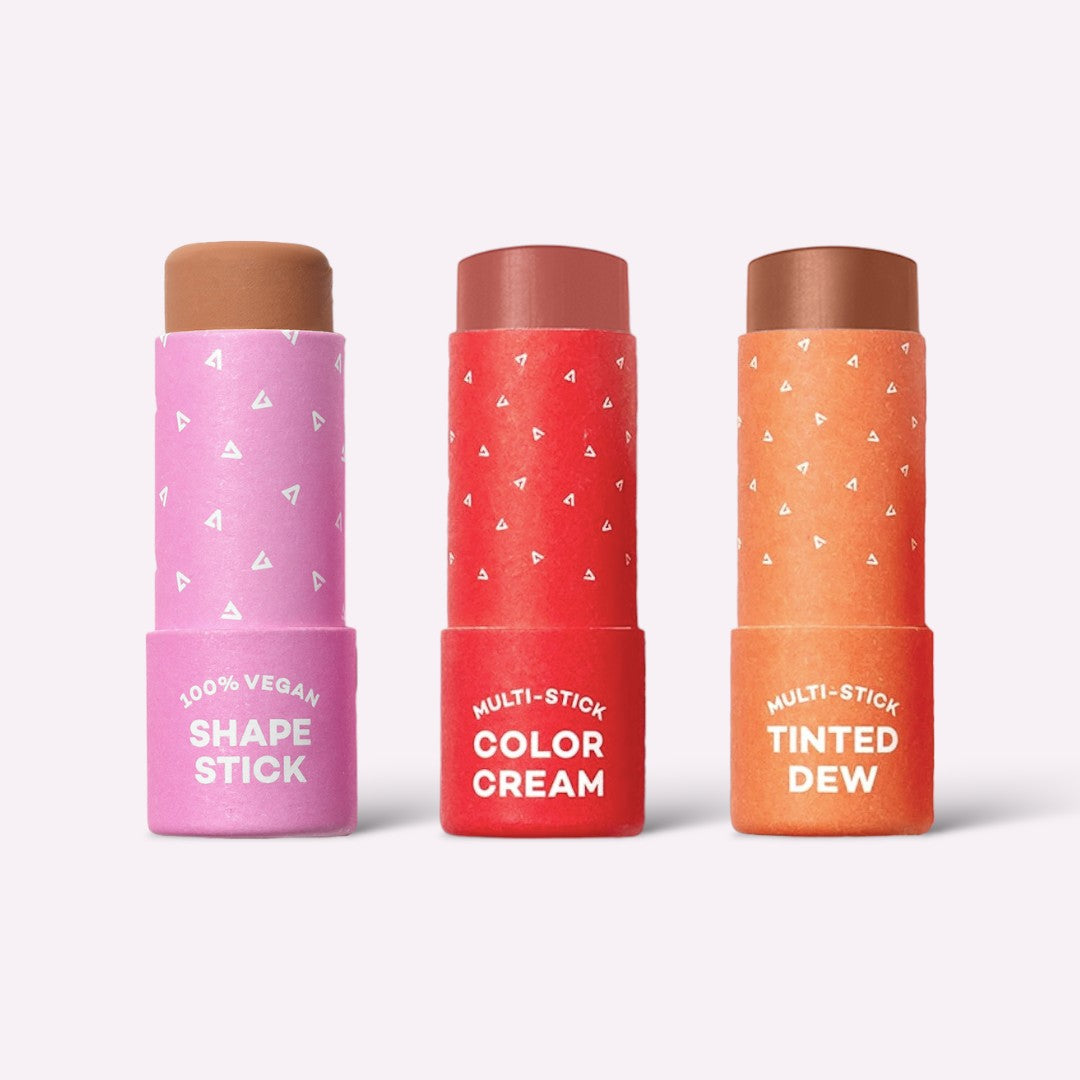
When we talk about zero waste cosmetics, we're talking about a complete mindset shift—a totally different way of thinking about how we create, use, and get rid of our beauty products. The whole point is to generate little to no trash. It’s a philosophy centered on a circular system, not a linear one.
Think reusable packaging, refillable containers, compostable materials, and biodegradable ingredients.
Rethinking Beauty From Start to Finish
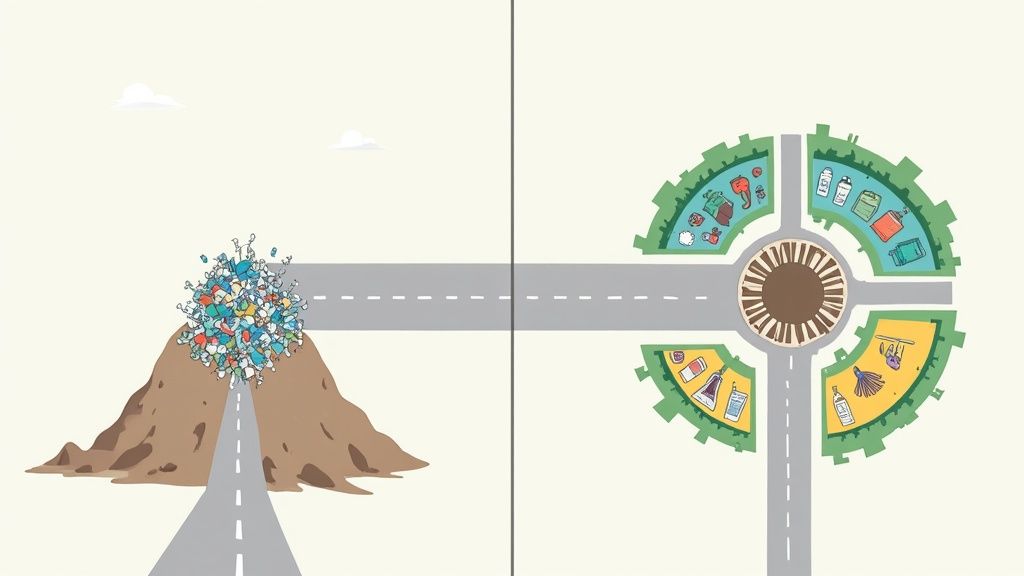
Picture your typical makeup product as a one-way street that leads straight to a landfill. Raw materials are taken from the earth, the product is made and packaged, and after you use it, everything gets tossed. It’s a dead end.
Zero waste cosmetics, on the other hand, create a circular roundabout. From the very beginning, materials are chosen with their entire lifecycle in mind. They’re designed to be reused, refilled, or safely returned to the earth, which drastically cuts down on their environmental footprint.
This shift feels especially urgent when you look at the numbers. The cosmetics industry cranks out about 120 billion units of packaging every year. A shocking 95% of that is thrown out after a single use. What’s worse? Only about 9% of it ever actually gets recycled, leaving a massive burden on our planet.
The Core Principles of Zero Waste
The zero waste movement follows a pretty simple hierarchy of actions, often called the "5 Rs." These give you a clear roadmap for making more conscious choices in your beauty routine:
- Refuse what you don’t need, like those single-use samples or products with tons of extra packaging.
- Reduce how many products you buy by choosing multitasking items.
- Reuse by picking products that come in refillable containers.
- Recycle materials like glass and aluminum, but only when reusing isn't an option.
- Rot (or compost) any biodegradable packaging or leftover product.
This diagram really shows the difference between the old-school linear model and the sustainable, circular one.

As you can see, the zero waste approach is all about designing waste out of the system from day one.
To get a better handle on this, let's break down the journey of a product from both perspectives.
Table: Traditional vs Zero Waste Cosmetics Lifecycle
This table contrasts the lifecycle of a standard cosmetic product with a zero waste alternative, highlighting the huge differences in their environmental impact.
| Lifecycle Stage | Traditional Cosmetics | Zero Waste Cosmetics |
|---|---|---|
| Material Sourcing | Often uses virgin plastics and non-renewable resources. | Prioritizes recycled, renewable, or upcycled materials. |
| Product Formulation | May contain synthetic ingredients and microplastics. | Focuses on natural, biodegradable, and ethically sourced ingredients. |
| Packaging Design | Designed for single-use, often with mixed, non-recyclable materials. | Designed for reuse, refill, or composting (e.g., glass, aluminum, paper). |
| Consumer Use | Product is used and the packaging is discarded. | Product is used, and the container is refilled, returned, or composted. |
| End of Life | The vast majority of packaging ends up in landfills or oceans. | Packaging is either returned to the earth or re-enters the manufacturing cycle. |
The takeaway is clear: one path leads to a dead end of waste, while the other creates a continuous, regenerative loop.
By embracing these principles, you're not just buying a lipstick; you're supporting an entire ecosystem that values resourcefulness and the health of our planet. It’s a powerful way to vote with your dollar for a more sustainable future.
Getting a grip on what zero waste really means is the first step. It’s less about being perfect and more about making small, intentional changes that add up to a big difference. This guide will give you everything you need to start this super rewarding journey.
Decoding What's Inside and Out
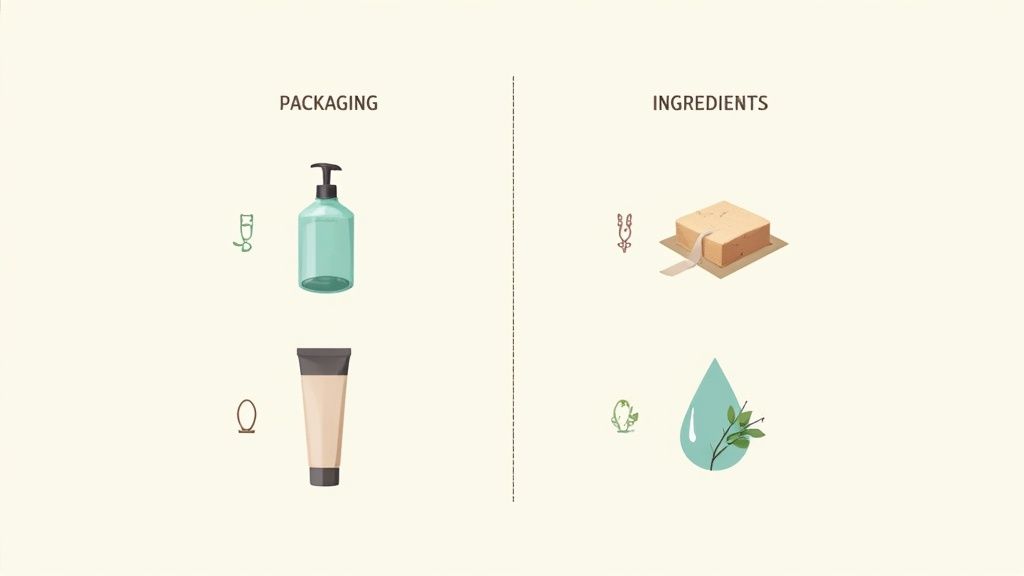
To really get what zero waste cosmetics are about, you have to look at both the container and what’s inside it. Think of it like a perfectly wrapped gift—the beautiful, reusable box is just as important as the thoughtful, sustainable item inside. Both have to work together to create something that’s kind to your skin and the planet.
This means you’ve gotta become a bit of a detective, able to spot what makes packaging and ingredients genuinely sustainable. Let's break down what to look for so you can confidently pick products that actually live up to the zero waste hype.
Spotting Truly Zero Waste Packaging
Packaging is the first thing you see, and it’s a product’s most obvious waste footprint. A brand’s choice of material says a lot about its real commitment. The whole point is to ditch the single-use plastic habit and switch to materials that can be used again and again.
Here’s a quick hierarchy of the best packaging choices, from the absolute gold standard down to other solid options:
- Refillable Systems (The Gold Standard): This is the holy grail. Brands offering refillable containers—usually made of durable stuff like glass, aluminum, or metal—are designing waste out of the system from the start. You buy the gorgeous case once and just pop in a refill from then on.
- Infinitely Recyclable Materials: Glass and aluminum are the champs here. Unlike plastic, which gets weaker every time it's recycled, these materials can be melted down and reborn over and over without losing quality. They’re a mainstay in the zero waste world for a reason.
- Compostable and Biodegradable Options: Materials like FSC-certified paper, bamboo, or even cool new mushroom-based packaging are made to break down and go back to the earth. They’re great for things like lip balm tubes or powders.
But hold on—not everything that looks sustainable actually is. A glass jar with a frosted coating or fancy paint might get rejected by recycling facilities. And those bamboo containers can be sneaky, hiding plastic liners inside. To get into the nitty-gritty, you can learn more about the complexities of sustainable cosmetics packaging and what to watch out for.
Why Waterless and Biodegradable Ingredients Are Everything
Now, let's peek inside the container. What a product is made of is just as critical as what it’s wrapped in. The biggest game-changer in zero waste ingredients is the shift to solid, waterless formulas.
Think about your typical liquid shampoo. It’s mostly water, which means it needs a heavy plastic bottle to hold it all. A solid shampoo bar, on the other hand, cuts out the water and the plastic bottle. It’s a simple switch with a massive impact.
Waterless formulas are a cornerstone of zero waste beauty. By removing water, brands can create concentrated, solid products like shampoo bars, conditioner bars, solid perfumes, and lotion bars that require minimal, often plastic-free, packaging.
Beyond just being waterless, the ingredients themselves matter. In a zero waste world, "clean beauty" means more than just non-toxic. It means the ingredients are good for the environment from the moment they’re grown to the moment they go down your drain.
Key Ingredient Qualities to Look For:
- Biodegradability: The ingredients should break down naturally without messing up our rivers and oceans. This means a hard pass on plastic microbeads or those liquid plastics (polymers) hiding in so many conventional products.
- Ethical Sourcing: Ingredients should be sourced in a way that’s fair to people and the planet. We’re talking fair trade practices and making sure harvesting doesn’t lead to deforestation.
- Minimal Processing: Ingredients that are closer to their natural state usually take less energy and fewer chemicals to produce, which shrinks their environmental footprint.
When brands combine smart packaging with mindful, biodegradable ingredients, they create truly holistic zero waste cosmetics. It’s this dual focus that ensures a product, from start to finish, leaves the lightest possible touch on our planet.
How to Spot Genuinely Sustainable Brands
Navigating the world of zero waste cosmetics can feel like you need a detective's license. With so many brands slapping "eco-friendly" or "green" on their labels, it's easy to get lost in a sea of marketing buzzwords. This is a classic case of greenwashing—when a company spends more time looking sustainable than actually being sustainable.
So, how do you cut through the noise? You have to look beyond the pretty packaging and vague promises. A truly sustainable brand operates as a whole ecosystem built on transparency and a real commitment to reducing waste at every single stage. Think of it less like buying one product and more like investing in a company's entire philosophy.
Look for Actionable Commitments
Talk is cheap. Action is everything. The brands that are truly committed back up their claims with tangible programs and clear policies you can actually check. They get that their responsibility doesn't just stop once you click "buy."
Here are a few tell-tale signs that separate the real deal from the pretenders:
- Robust Take-Back Programs: Do they have a program to take back their empty containers for refilling or proper recycling? This shows they’re taking full responsibility for their packaging's lifecycle.
- Transparent Supply Chains: Are they open about where their ingredients come from? Ethical sourcing and fair labor aren't just buzzwords; they're essential pillars of real sustainability.
- Minimalist Shipping Practices: Check out their shipping materials. If you see plastic-free, recycled, and recyclable packaging, that's a great sign. Unnecessary plastic bubble wrap or giant boxes are major red flags.
- Consumer Education: A great brand wants to empower you. They give you clear instructions on how to refill, recycle, or compost their packaging and often share helpful content about living a lower-waste life.
This whole shift is being driven by younger generations who expect more from the brands they support. An impressive 67.7% of Gen Z consumers actually prioritize sustainability in their beauty buys, and 56.2% are willing to pay more for it. You can read more about how younger shoppers are shaping beauty brand sustainability on freeyourself.com.
Verify with Third-Party Certifications
Think of certifications as a stamp of approval from an unbiased expert. While no single certification covers everything, they're a powerful way to know a brand has gone through a rigorous evaluation and meets high standards.
Think of third-party certifications as a brand's report card. They provide objective proof that a company is walking the walk when it comes to its social and environmental claims.
Instead of just taking a brand's word for it, look for these trusted logos on their website or packaging.
Essential Certifications to Trust:
- Certified B Corporation: This is one of the most respected certifications out there. It means the company meets high standards for social and environmental performance, transparency, and is legally required to balance profit and purpose.
- Leaping Bunny: This is the gold standard for cruelty-free. It's a guarantee that no animal testing was used at any point in product development—not by the company, its labs, or its suppliers.
- FSC Certified: The Forest Stewardship Council (FSC) seal ensures any paper or wood-based packaging comes from responsibly managed forests that provide environmental, social, and economic benefits.
Finding these seals helps you know for sure that you're supporting a brand that’s genuinely trying to make a positive impact, not just a profit. Once you've got this detective's toolkit, you can confidently choose zero waste cosmetics that truly align with your values.
Building Your Zero Waste Beauty Routine
Diving into a zero waste routine can feel like you’re signing up for a massive, life-altering project. But it doesn't have to be some overwhelming, all-at-once overhaul. Honestly, the best way to make it stick is to take it slow. Think of it less like a sprint and more like building a new, healthy habit—one small, satisfying step at a time.
The most important rule? Start by using what you already have. A huge, wasteful purge of your current products is pretty much the opposite of the zero waste philosophy. The whole journey really begins with appreciating and finishing the things you’ve already bought.
This slow-and-steady method is not only way better for the planet but also a lot kinder to your wallet. As each product runs out, you get a chance to mindfully find a sustainable replacement. It makes the whole transition feel natural and manageable, not forced and expensive.
Phase One: Mindful Replacement
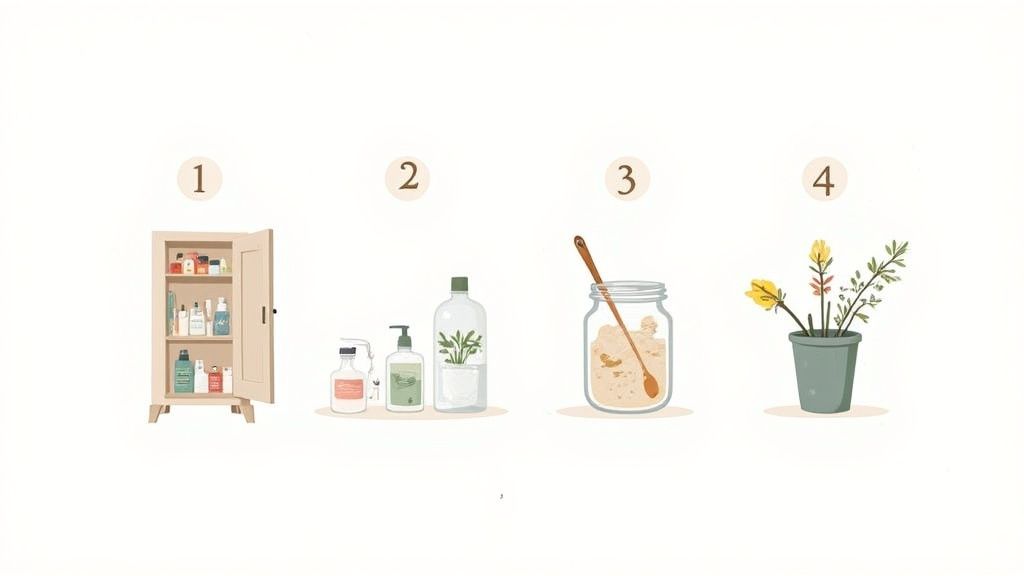
The first real step is just taking a quick inventory of your current beauty stash. See which products are almost empty and flag those as your first zero waste swaps. This focused approach stops you from making impulse buys and makes sure you're only getting what you genuinely need.
When your daily moisturizer or favorite mascara is finally gone, that’s your cue. Now’s the time to start looking for brands that use glass, aluminum, or compostable paper.
A great trick for shrinking the number of products you even need to replace is to just embrace minimalism. For instance, a single multi-use color stick can easily take the place of a separate blush, lipstick, and eyeshadow. You can learn more about the magic of simplifying your kit by checking out the power of multi-use makeup products.
Phase Two: Exploring Refills and DIY
Once you’ve got the hang of replacing individual items, you can dip your toes into some next-level zero waste practices, like refilling and making your own simple products. These are the moves that seriously slash your packaging waste in the long run.
Finding Refill Systems:
- Local Refill Shops: More and more communities are getting these awesome zero waste stores where you can bring your own clean containers to refill everything from shampoo to lotion. A quick search for "refill store near me" is the perfect place to start.
- Brand Refill Programs: A lot of sustainable brands now offer online refill subscriptions. They’ll send you product refills in minimal, often compostable, packaging that you just pour into your original durable container.
Embracing refill systems is a direct way to participate in the circular economy. Instead of treating packaging as disposable, you transform it into a durable, long-term asset in your beauty routine.
Simple DIY Recipes:
You don’t have to be a cosmetic chemist to whip up some seriously effective, package-free products at home. Many of the best recipes use ingredients you probably already have in your kitchen.
For example, you can make a super luxurious and effective body scrub with just two ingredients:
- Used Coffee Grounds: They're a fantastic exfoliant you'd probably just compost or toss anyway.
- Coconut or Olive Oil: A nourishing oil that binds the grounds together and moisturizes your skin.
Just mix them into a paste and keep it in an upcycled glass jar. This one easy swap means you may never have to buy a body scrub in a plastic tube or tub again.
Phase Three: Mastering Disposal
The final piece of the puzzle is knowing what to do with the packaging you do end up with. Even the best zero waste cosmetics sometimes come in containers that need a proper send-off at the end of their life.
First, always try to upcycle. That empty glass face cream jar? It could be the perfect home for small jewelry, a paper clip holder for your desk, or a propagation station for a plant cutting. Get creative before you even think about recycling.
If you can’t find a new use for it, it’s time to learn your local recycling rules. Clean glass and aluminum are pretty widely recyclable, but other materials like bamboo or certain bioplastics might have specific composting needs. A quick check on your city's waste management website will tell you how to sort correctly. This final step is what closes the loop, making sure your beauty routine leaves the lightest footprint possible.
Taking On Common Zero Waste Hurdles
Let’s be real: starting a zero waste journey is all about progress, not perfection. It’s completely normal to hit a few bumps, especially when it feels like your personal needs don’t quite sync up with the options out there. The trick is to adapt the philosophy to fit your life, not the other way around.
So many people worry that zero waste cosmetics just won't cut it for them, whether it’s because of sensitive skin, ethical beliefs, or even just geography. But the movement is getting bigger and better, and with it comes a whole new world of thoughtful solutions for these very real challenges. By tackling these issues head-on, you can build a routine that’s both sustainable and perfectly suited to you.
Solutions for Sensitive Skin
If your skin is sensitive or reactive, the thought of trying new, unpackaged products can be a little terrifying. The fear of a bad reaction is totally valid, but here’s the good news: the zero waste space often prioritizes the kind of gentle, minimal-ingredient formulas that can actually be a game-changer for sensitive skin.
Many solid bars and balms are made without the harsh preservatives or synthetic fragrances that are so often the culprits behind irritation. Brands that are serious about sustainability tend to lean on simple, plant-based ingredients that are much kinder to your skin.
Tips for Finding Gentle Products:
- Hunt for unscented options: A lot of brands offer fragrance-free versions of their products, from shampoo bars to moisturizers.
- Prioritize simple ingredient lists: The fewer ingredients, the less chance of a reaction. Look for formulas built around calming oils and butters.
- Ask for samples: Before you commit to a full-size product, shoot an email to online brands and ask if they offer small samples. They often come in tiny paper envelopes or tins.
Navigating Vegan and Cruelty-Free Choices
For vegans, making sure a product is totally free of animal-derived ingredients and cruelty-free testing is a hard line. While many zero waste brands are vegan by nature, it’s still smart to do your homework and verify their claims.
The great thing is that the ethics of the zero waste movement and veganism often go hand-in-hand, both focusing on kindness to the planet and all its inhabitants. This shared value system makes it much easier to find brands that get you.
A brand's commitment to sustainability should extend to its ethical practices. True zero waste cosmetics respect not only the environment but also animal welfare, making vegan and cruelty-free verification a natural part of conscious consumerism.
Keep an eye out for trusted certifications like Leaping Bunny (for cruelty-free) and Certified Vegan logos. These third-party seals of approval give you confidence that a brand is meeting strict standards, from how they source ingredients all the way to the final product.
Bridging the Accessibility Gap
So, what if you don't live near one of those trendy refill shops? This is one of the most common and practical challenges people run into. The reality is that physical zero waste stores aren't on every corner, but that doesn't have to be a dead end for your journey. Not even close.
The online world of zero waste cosmetics is absolutely booming, with tons of brands offering plastic-free shipping right to your door. This isn't just a niche trend; it shows a massive shift in the market. The global zero waste cosmetics market was valued at over $4.5 billion in 2023 and is expected to skyrocket. You can dive into more data on this incredible growth at marketreportanalytics.com.
Many online brands now offer subscription models for refills, sending them out in compostable mailers. This approach means you never run out of your favorites while completely bypassing the need for a local shop.
The Future of Sustainable Beauty
The zero waste beauty world is getting a serious upgrade, and it’s moving way past simply reusing glass jars. The future isn't just about making small swaps; it’s about a complete reinvention of how our products are made, used, and what happens to them after. This is where smart consumer choices meet some seriously cool science.
Think about it: what if we could get potent skincare ingredients without needing huge farms that use up tons of land and water? That’s exactly what’s happening with biotechnology in beauty. Scientists are now growing nature-identical ingredients, like super-hydrating squalane or collagen, in labs. This is a game-changer. It dramatically shrinks the agricultural footprint, helping to prevent deforestation and protect biodiversity, all while delivering incredibly pure, effective ingredients for our skin.
Packaging That Vanishes
The packaging side of things is getting just as futuristic. The goal is to create packaging that literally disappears, leaving nothing behind.
- Water-Soluble Pods: Imagine your favorite serum or a cleanser concentrate wrapped in a thin film that just dissolves. You could drop these single-dose pods into a reusable bottle with water, or they could melt away as you use the product. No trash, no recycling bin, nothing.
- Advanced Closed-Loop Systems: Brands are also getting smarter about circularity. We're talking about packaging made from a single material (what the industry calls monomaterial) that can be broken down and endlessly reformed into new containers without ever losing quality. This could finally break our dependence on creating new plastics from scratch.
Of course, for these innovations to really take off, the big players have to get on board. It’s worth looking at how major players like Sephora dominate the makeup and loyalty game, because when they embrace trends like these, the whole industry shifts. As more of us demand better options, these huge retailers will be key in making them accessible to everyone.
The real magic is happening at the intersection of consumer demand and scientific breakthroughs. Your purchases send a powerful signal to the industry, pushing it faster toward a beauty world that’s truly circular and regenerative.
This isn’t some far-off dream; it’s being built as we speak. From lab-grown botanicals to packaging that leaves no trace, the innovations on the horizon are about to redefine what “sustainable beauty” even means. Every time you support a brand that’s leaning into these forward-thinking ideas, you’re casting a vote for a smarter, cleaner, and more beautiful future for all of us.
Common Questions About Zero Waste Cosmetics
Diving into a zero waste journey always brings up a few questions. It’s totally natural. As you start to rethink your habits, you’re bound to wonder how it all works in the real world—for your wallet, your daily routine, and your personal hygiene.
Let's get into some of the most common things people ask when they’re making the switch to zero waste cosmetics. We'll give you clear, straightforward answers so you can feel good about moving forward.
Are Zero Waste Cosmetics More Expensive?
This is a big one. While some zero waste products might have a higher price tag at the checkout, they almost always save you money in the long run. The whole idea is to invest in things that last, not in stuff you throw away.
Take a good quality stainless steel safety razor. It costs more upfront than a flimsy pack of plastic disposables, for sure. But the replacement blades cost just pennies, adding up to huge savings over time. It's the same story with a solid shampoo bar, which can easily outlast two or three plastic bottles of the liquid stuff. When you do the math, the cost-per-use is way lower.
The trick is to shift how you think about cost. Instead of just looking at the initial price, think about long-term value. When you stop buying disposable packaging over and over, you'll find a zero waste routine is often much friendlier to your budget.
What If I Do Not Have a Local Refill Store?
Not having a refill shop nearby is a super common and valid worry, but it’s definitely not a dealbreaker. The online world of zero waste cosmetics has exploded, making it easier than ever to get sustainable options delivered right to your door.
Lots of great eco-conscious brands now have online subscription services. They’ll ship you product refills in plastic-free, compostable packaging, which means you can skip the store entirely while still being part of a circular system.
If that’s not your style, here are a few other easy places to start:
- Go solid. Shampoo bars, conditioner bars, and lotion bars are everywhere online and mean no plastic bottles. Period.
- Pick better packaging. Look for products that come in glass or aluminum. These materials actually get recycled at a much higher rate than plastic.
- Try some DIY. You can make simple things like body scrubs or face masks with ingredients you already have in your kitchen. It’s a completely package-free win.
How Hygienic Are Refillable Makeup Products?
Hygiene is obviously a huge deal, especially with makeup that goes near your eyes and mouth. You can rest easy knowing that any reputable brand offering refills has designed their system with safety and sanitation as the top priority.
Many systems are cartridge-based, so you just swap out an inner pod without ever touching the makeup itself. This keeps everything clean and free from contamination. For containers you refill directly, brands give you step-by-step instructions on how to properly clean and sterilize them between uses—usually just a simple wash with soap and water and a quick wipe-down with alcohol. And for things like mascara, brands almost always include a fresh, sterile wand with every single refill to keep your eyes safe.
At Axiology, we believe that a beautiful routine shouldn't create ugly waste. Explore our collection of plastic-free, multi-use makeup to simplify your routine and care for the planet. Find your new zero waste favorites at Axiology.