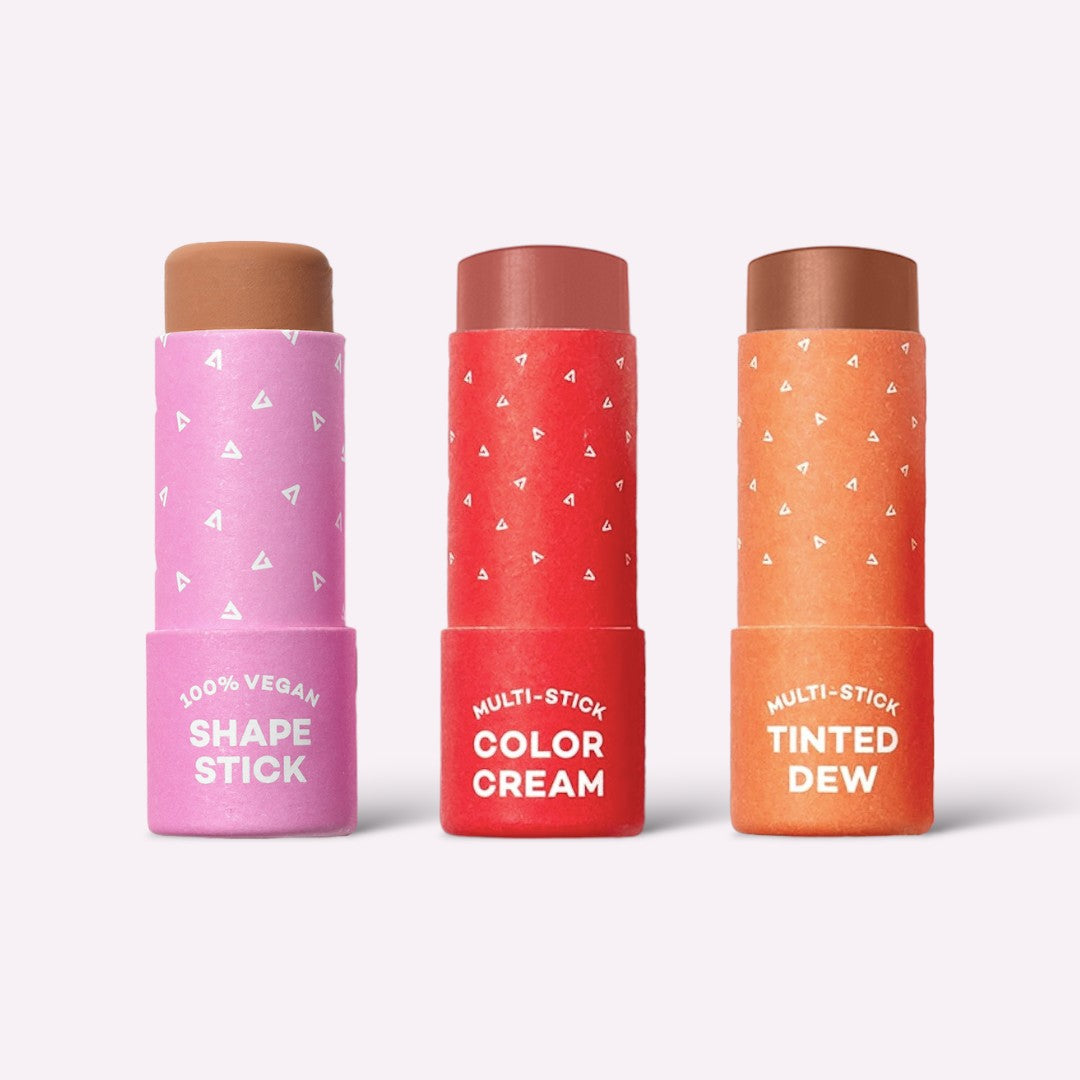
When your dermatologist talks about makeup for sensitive skin, they’re really talking about playing defense. The game plan is simple: use minimalist formulas that are fragrance-free, hypoallergenic, and non-comedogenic. It’s all about picking products with ingredients that calm and soothe, while benching the usual suspects like synthetic dyes and harsh preservatives.
Why Your Makeup Choices Matter for Sensitive Skin
Think of sensitive skin like an over-enthusiastic guard dog. A well-trained one knows the difference between the mail carrier and an actual intruder. A sensitive one? It barks at everything—and your skin does the same, reacting with redness, itching, and general irritation to ingredients that most people’s skin would ignore. This isn’t just a once-in-a-while thing; for many of us, it’s a daily struggle.
And it's a super common problem. Studies show that a whopping 60% to 70% of women and 50% to 60% of men say their skin is sensitive to some degree. Cosmetics are often pointed to as a major trigger, which makes choosing what you put on your face a pretty big deal.
Getting to the Root Cause
So, what’s actually going on? Often, the problem is a compromised skin barrier. Picture your skin barrier as a brick wall: the skin cells are the bricks, and natural lipids are the mortar holding everything together, keeping moisture in and irritants out. When that "mortar" gets weak, irritants from makeup can sneak through the cracks and cause an inflammatory freak-out.
This is exactly why listening to a dermatologist is so important. They get this delicate balance and recommend products formulated to respect and reinforce that barrier, not tear it down. They look for makeup that does more than just cover up—they want formulas that will soothe, protect, and strengthen your skin.
"When choosing products for sensitive skin, always choose gentle, fragrance-free formulas. Fragrances, both natural and synthetic, are one of the most common causes of irritation."
A Skin-First Philosophy
This skin-first approach is what conscious beauty brands like Axiology are built on. The goal isn't just about concealing what you don’t like, but actively nurturing your skin. By leaving out common triggers and packing formulas with calming, beneficial ingredients, makeup stops being a potential enemy and becomes a supportive part of your routine.
Of course, the right products are just one piece of the puzzle. While dermatologist-approved makeup is key, you can also build up your skin’s resilience from the inside out. Check out these 5 Powerful Holistic Tips And Tricks For Radiant Skin for ideas that go beyond your makeup bag. Once you understand the "why" behind your skin's sensitivity, you can build a routine that truly works with it, not against it.
The Dermatologist's Red Flag Ingredient List
Trying to decipher an ingredient label can feel like reading another language. But when you have sensitive skin, learning to spot the usual troublemakers is one of the most powerful things you can do for your face. Dermatologists consistently call out a handful of ingredients that are known for throwing skin off balance and causing a total meltdown.
Think of your skin barrier as a VIP bouncer for your face—its job is to keep the bad stuff out. Certain ingredients are masters of disguise, sneaking past the velvet rope and causing chaos inside. Knowing which ones to look for is your best defense, helping you filter out problematic products before they ever get near your skin. It also makes a pretty strong case for why simpler, minimalist formulas are often the safest way to go.
The Number One Offender: Fragrance
If there's one ingredient that makes nearly every dermatologist cringe, it’s fragrance. It doesn’t matter if it’s synthetic or natural; fragrances are a top cause of contact dermatitis and allergic flare-ups. The real kicker is that the word "fragrance" or "parfum" on a label can legally hide a blend of hundreds of different chemicals, none of which have to be listed out. Sneaky, right?
That lack of transparency means you never really know what you’re putting on your skin. For anyone with sensitive skin, it's basically like playing Russian roulette every morning. Making the switch to products that are explicitly labeled fragrance-free is one of the easiest and most impactful changes you can make. If you want to dive deeper, check out our guide on the benefits of fragrance-free beauty products.
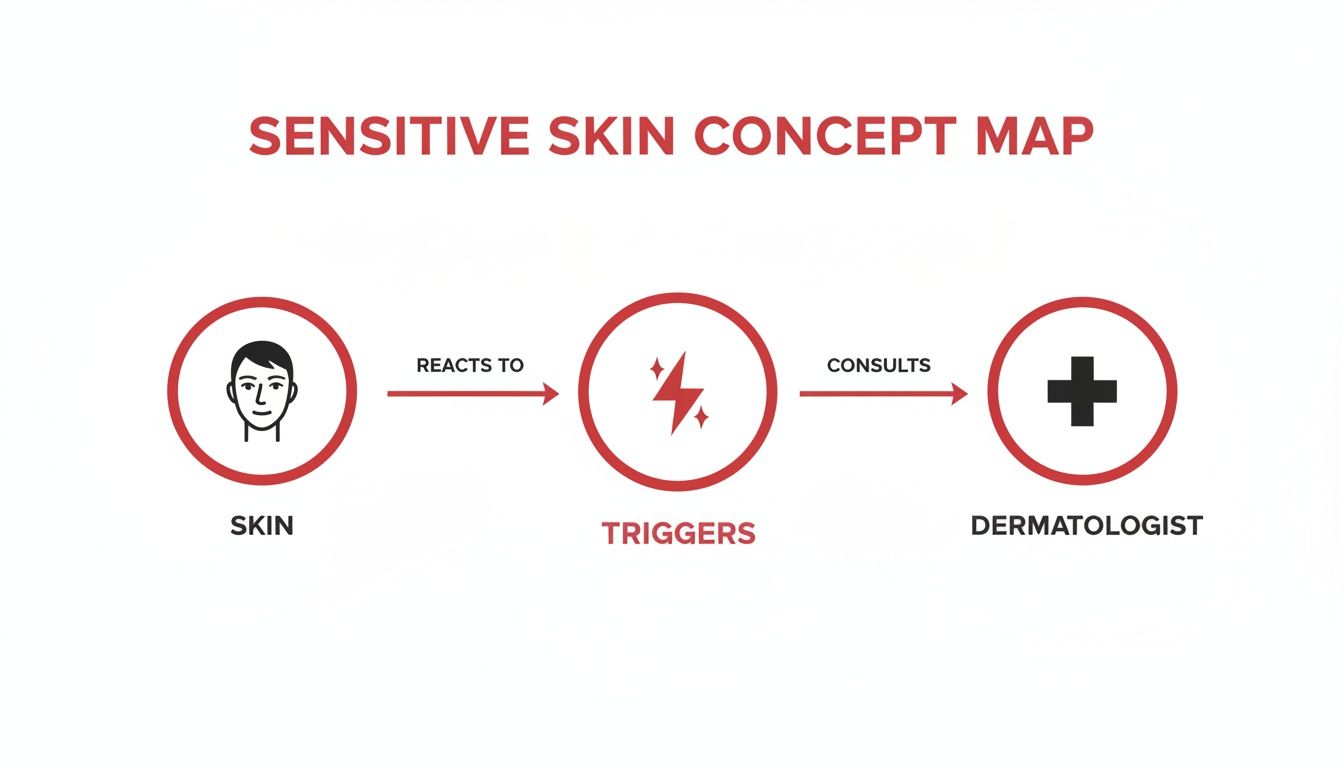
This shows how easily skin triggers can lead to irritation, highlighting why it’s so important to know your ingredients and avoid common culprits.
Drying Alcohols and Harsh Sulfates
Not all alcohols are bad news, but some are definitely worth avoiding. Simple alcohols like SD alcohol, denatured alcohol, and isopropyl alcohol are often added to give products that quick-drying, barely-there feel. The problem? They do that by evaporating lightning-fast and taking your skin’s precious moisture right along with them. Hello, dryness and irritation.
Similarly, sulfates like Sodium Lauryl Sulfate (SLS) can sometimes sneak into liquid makeup formulas. They’re super effective detergents (great for washing dishes, not so great for your face) that can strip away your skin's protective oils, leaving your barrier weak and exposed.
A weak skin barrier can't properly defend itself against environmental stress and other irritants. Stepping away from ingredients that strip your skin's natural oils is a cornerstone of any sensitive-skin-friendly routine. It's a non-negotiable for us.
A Quick Cheat Sheet for Sensitive Skin
We've put together a simple table to help you spot common irritants and find their gentler, skin-loving counterparts. Think of it as your pocket guide to reading labels like a pro.
Common Makeup Irritants and Their Gentle Alternatives
| Ingredient to Avoid | Why It's a Problem for Sensitive Skin | What to Look for Instead |
|---|---|---|
| Fragrance (Parfum) | A leading cause of allergic reactions and dermatitis; can hide hundreds of undisclosed chemicals. | Fragrance-Free formulas. Natural scents from beneficial ingredients like fruit extracts are okay if your skin tolerates them. |
| Drying Alcohols (SD, Denatured) | Strips the skin of its natural oils, leading to dryness, irritation, and a compromised moisture barrier. | Fatty Alcohols like Cetyl, Stearyl, and Cetearyl alcohol, which are non-irritating and can be moisturizing. |
| Essential Oils | Potent plant extracts (like lavender, peppermint, citrus) that can be highly allergenic and irritating. | Plant Butters & Oils like shea butter, kokum butter, sunflower oil, and jojoba oil that nourish and soothe. |
| Chemical Sunscreens | Active ingredients like Oxybenzone or Avobenzone can trigger sensitivity and allergic reactions in some people. | Mineral Sunscreens with Zinc Oxide and/or Titanium Dioxide, which physically block UV rays and are much gentler. |
This isn’t about becoming a chemist overnight. It’s about recognizing the biggest red flags and understanding why they might cause a reaction. This knowledge empowers you to choose products, like Axiology's, that are intentionally formulated without these known irritants, putting the health and comfort of your skin first.
Green Flag Ingredients Dermatologists Champion
Alright, now that we've covered what to steer clear of, let's get to the good stuff—the skin-calming heroes that get a big thumbs-up from dermatologists.
These aren't just filler ingredients; they actively work to soothe, hydrate, and strengthen your skin from the inside out. When you spot these on a makeup label, it's a sign that your beauty routine is doubling as a skincare routine. Win-win.
Think of these ingredients as your skin barrier's loyal support system. They don’t show up to cause drama. Instead, they’re there to repair, reinforce, and keep everything running smoothly. This is the whole idea behind quality makeup for sensitive skin: formulas that are genuinely good for you, not just pretty.
The Barrier Builders and Soothers
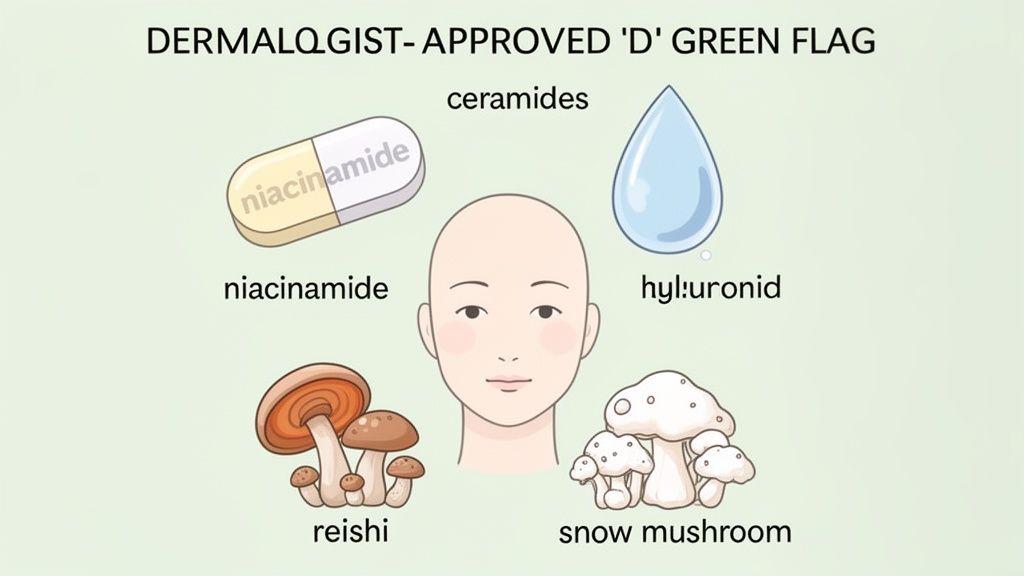
When a dermatologist gives a product their seal of approval, it’s because it contains ingredients that build up your skin's resilience. The big three in this arena are ceramides, niacinamide, and hyaluronic acid. Each one has a special job to do in keeping your complexion calm and happy.
They work together to tackle the main problems of sensitive skin: a weakened barrier, inflammation, and dehydration.
-
Ceramides: Think of your skin cells as bricks and ceramides as the mortar holding them all together. They're lipids that are naturally in your skin, and they're essential for keeping your skin barrier strong and locking in moisture. When your makeup includes ceramides, it’s like patching up the cracks in your skin's defenses.
-
Niacinamide (Vitamin B3): This one is a true multitasker. Niacinamide is a superstar for calming down redness and inflammation, making it a game-changer for reactive skin. It also helps your skin produce its own ceramides, so it's basically teaching your skin to rebuild its own protective wall over time.
-
Hyaluronic Acid: Picture this ingredient as a tiny, powerful sponge. It can hold up to 1,000 times its weight in water, pulling moisture from the air and into your skin. It delivers a serious dose of hydration without feeling heavy or greasy, leaving your skin feeling plump and comfortable.
The Importance of Non-Comedogenic Formulas
Beyond specific calming ingredients, derms always stress the importance of choosing non-comedogenic products. Fancy word, simple meaning: it’s designed not to clog your pores. For sensitive skin that’s already prone to breakouts when irritated, this is a must.
Ingredients are often rated on a comedogenic scale from 0 to 5. The pros suggest sticking with ingredients rated 2 or lower to keep pores clear. After all, using pore-clogging makeup every day can seriously mess with a delicate skin barrier. In fact, one study found that 45% of women who used makeup daily developed some kind of skin issue, with 14% being directly linked to cosmetic-induced acne.
A truly skin-friendly product respects your pores. It provides coverage and benefits without creating new problems like congestion or breakouts, which is a foundational principle for any makeup designed for sensitive complexions.
Nature-Derived Innovators
The search for gentle-yet-effective ingredients has led to some incredible discoveries from the natural world. Modern formulas are now tapping into the power of adaptogenic and hydrating botanicals that fit right in with dermatological principles.
Two fantastic examples are reishi and snow mushrooms—both are cornerstone ingredients in Axiology's Fungdation.
-
Reishi Mushroom: This powerhouse adaptogen has been used for centuries in traditional medicine for its anti-inflammatory and antioxidant properties. In skincare, it helps calm redness and protect your skin from daily environmental stress.
-
Snow Mushroom: This little wonder acts a lot like hyaluronic acid, drawing tons of moisture into the skin. It creates a flexible film of hydration that helps restore elasticity and keeps that skin barrier feeling comfortably hydrated all day.
These forward-thinking, natural ingredients show how makeup can do more than just cover up; it can actively care for your skin. For a deeper look into what makes an ingredient truly beneficial, you might be interested in our guide on the best ingredients for sensitive skin.
By choosing makeup packed with these green-flag ingredients, you’re helping your skin get stronger and more resilient every single time you apply it.
Choosing the Right Makeup Formula for Your Skin
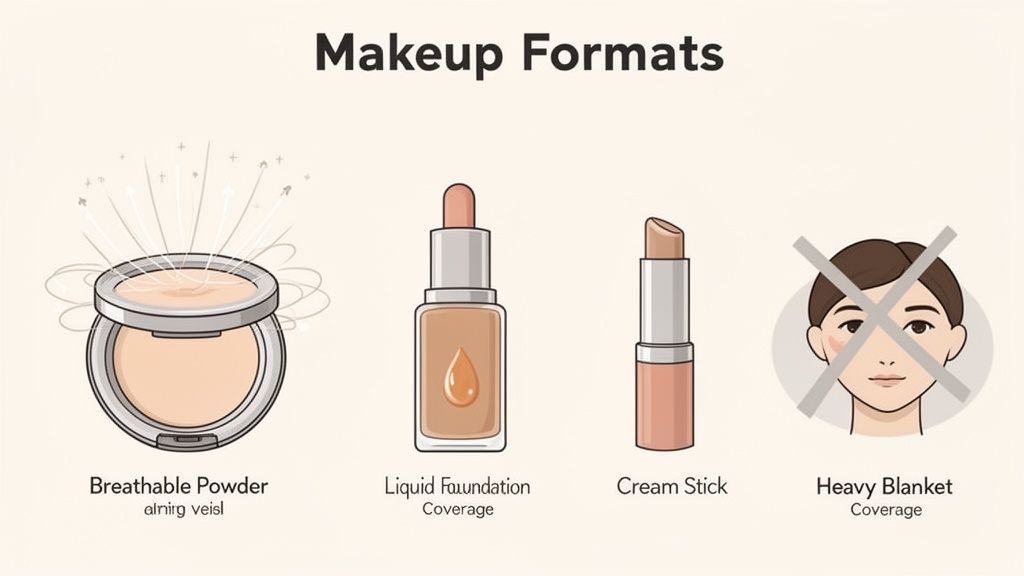
It’s not just about what’s in your makeup; the physical form—powder, liquid, or cream—matters just as much for sensitive skin. Think of it like dressing for comfort. A heavy wool sweater might feel itchy and trap heat, while a light cotton t-shirt lets your skin breathe. The exact same logic applies to your foundation, blush, and concealer.
Dermatologists don't just hand you a list of "no-no" ingredients. They often guide patients on the texture and format, too. The right formula can give you gorgeous coverage without feeling like it’s suffocating your skin. The wrong one? It can feel like a heavy blanket, trapping irritants and kicking off a cycle of discomfort.
Powders: The Breathable Veil
Mineral-based powders have been a holy grail in dermatologist recommended makeup for sensitive skin for ages, and it’s no surprise why. They usually have super minimal ingredient lists, skipping the preservatives and emulsifiers common in liquids that can make sensitive skin angry.
Their lightweight texture lets your skin breathe, which means a lower risk of clogged pores and irritation. Since powders sit on top of the skin instead of sinking in, they're less likely to mess with your skin's delicate balance. This makes them a super safe place to start if you're feeling lost.
In fact, for people with extremely reactive skin, derms often recommend powders first because they're so easy to remove. Research on over 1,000 people found that those with highly sensitive skin are way more likely to avoid potentially irritating products like blush, which just goes to show how much a gentle, breathable formula is needed.
Liquids and Creams: The Hydration Heroes
While powders are great, they aren't your only option. If your sensitive skin leans dry or mature, a well-made liquid or cream formula can be a game-changer. They deliver a dose of hydration and a dewy finish that powders sometimes just can't touch.
The trick is to find modern, skin-loving formulas. Look for creams and liquids that are:
- Silicone-based instead of oil-based, which helps dodge clogged pores.
- Totally free from fragrance and harsh alcohols that can dry out and irritate skin.
- Loaded with skin-supporting ingredients like hyaluronic acid or ceramides to help your skin barrier stay happy.
A thoughtfully formulated cream or stick makeup really can offer the best of both worlds: a soothing, easy-to-blend texture with a clean, minimal ingredient list. It’s all about finding that sweet spot between performance and gentleness.
Sticks: The Modern Hybrid
This brings us to the rise of multi-use sticks and balms—the perfect middle ground. Products like Axiology’s multi-use sticks give you that blendable, creamy feel but are often made with a simple, balm-like base of nourishing oils and butters.
This format is awesome for targeted application. You don’t have to cover your whole face, leaving more of your skin free to just be. Plus, their solid form usually requires fewer preservatives than liquid makeup. They’re perfect for a "less is more" vibe, giving you buildable color for lips, cheeks, and eyes from one single, gentle product. If you want to dive deeper into building a gentle routine, check out our complete guide to hypoallergenic makeup for sensitive skin.
At the end of the day, picking the right format is all about listening to your skin and finding what makes it feel as good as it looks.
Building a Gentle and Effective Makeup Routine
Having the right products is only half the battle. How you put them on and take them off can make all the difference for calm, happy skin. Think of it less as a strict routine and more as a daily ritual that supports your skin's health.
The goal is to turn makeup application into an act of self-care, not a potential source of stress. By following a few simple principles, you can enjoy wearing makeup without worrying about the red, itchy consequences.
The Can't-Skip First Step: Skin Prep
Before a single drop of foundation touches your face, you need to prepare the canvas. For sensitive skin, this means creating a protective buffer between your skin and your cosmetics. The most important step? A soothing, fragrance-free moisturizer.
Your moisturizer acts as both a primer and a shield. It hydrates and strengthens your skin barrier, which makes it way less vulnerable to potential irritants. Trying to apply foundation to dry, unprepared skin is just a recipe for flakiness and inflammation.
A well-moisturized face doesn't just feel better—it helps makeup glide on smoothly and evenly. To give your skin an extra layer of defense, look for moisturizers with calming ingredients like ceramides, hyaluronic acid, or niacinamide.
Master the Art of the Patch Test
Let’s be real, trying a new product can feel like a gamble. Will it be your new holy grail or will it trigger a full-blown reaction? This is where the patch test becomes your best friend. It’s a super simple, derm-approved method to avoid a widespread disaster.
Here’s how to do it right:
- Choose a Discreet Spot: Dab a small amount of the new product on a hidden area, like behind your ear, on your inner wrist, or along your jawline.
- Wait and Watch: Leave it on for at least 24 hours. Don't wash that little spot. Keep an eye out for any signs of redness, itching, burning, or swelling.
- Assess the Results: If you see zero reaction after a full day, you're likely good to go. But if you spot any irritation, wash it off immediately and steer clear of that product.
This simple step is a game-changer. Taking one day to test a product is so much better than spending a week trying to calm down an angry complexion. It’s the ultimate "look before you leap" strategy for sensitive skin.
Gentle Application and Thorough Removal
The tools and techniques you use are just as important as the products themselves. Aggressively rubbing or using scratchy brushes can physically irritate your skin, even if your makeup is super gentle.
Application Best Practices:
- Choose Soft Tools: Opt for soft makeup brushes or gentle sponges. And please, clean them regularly! Dirty tools are a breeding ground for bacteria that can cause breakouts and irritation.
- Use a Light Hand: Try patting or stippling your makeup on instead of dragging it across your skin. This technique minimizes friction and is much kinder to your delicate skin barrier.
- Less is More: Start with a tiny bit of product and build coverage only where you need it. The less stuff you have on your face, the lower the risk of irritation.
Just as crucial is how you take it all off. We've all been tempted, but going to bed with makeup on is a major no-no for sensitive skin. It traps dirt and oil, leading to clogged pores and inflammation.
For a removal process that doesn't strip your skin, reach for a gentle, hydrating cleanser. Double cleansing is a fantastic method—start with an oil-based cleanser or micellar water to dissolve makeup, then follow up with a creamy, non-foaming wash. This ensures every last trace is gone without leaving your skin feeling tight, dry, or raw.
How Axiology Walks the Walk
All this expert advice from dermatologists boils down to one simple idea: makeup for sensitive skin has to put skin health first, period. This is where we see how a brand like Axiology doesn't just talk the talk, but puts these core principles into practice with every single product they create.
The entire Axiology lineup is built on the idea of minimalist beauty. By deliberately using fewer, higher-quality ingredients, they slash the risk of irritation. This is a direct answer to a dermatologist's number one piece of advice: steer clear of long, complicated ingredient lists that are basically a minefield of potential triggers.
A Serious Commitment to Clean Ingredients
Because Axiology is 100% vegan and cruelty-free, their formulas are already free from a ton of common animal-derived irritants. Plus, they strictly follow the dermatologist's "do not use" list, which means every product is completely free of:
- Fragrance: They’ve cut out the single biggest cause of cosmetic-related contact dermatitis.
- Alcohol: No harsh, drying alcohols that can wreck your skin's protective barrier.
- Synthetic Preservatives: They opt for gentler, nature-derived alternatives instead.
But it’s not just about what they leave out. Axiology focuses on "green flag" ingredients that actually soothe and nourish the skin. This turns your makeup from something you just put on your skin into a beneficial part of your skincare routine.
When you focus on what truly helps the skin and get rid of everything else, makeup can go from a potential problem to a daily act of self-care. This is the real foundation of creating dermatologist recommended makeup for sensitive skin.
Fungdation: A Perfect Real-World Example
You can see this philosophy in action perfectly with Axiology's Fungdation, the world's first foundation serum infused with skin-renewing mushrooms. It's like a case study in applying dermatological wisdom.
The formula is proudly non-comedogenic, so you get beautiful, buildable coverage that won't clog your pores—a huge deal for easily congested, sensitive skin. The addition of reishi and snow mushroom extracts delivers some serious anti-inflammatory and hydrating power, actively calming your skin while you wear it.
This whole approach—combining gentle, effective coverage with active, skin-soothing ingredients in a clean, minimal formula—is exactly what we’re looking for. It proves you don’t have to sacrifice performance to get makeup that respects your skin's delicate balance.
When you choose brands that get it, you can finally have fun with makeup again without worrying about a flare-up. Axiology's products are proof that conscious, skin-first choices let you wear makeup that not only looks incredible but feels amazing, too.
Got Questions About Sensitive Skin Makeup? We've Got Answers.
Diving into the world of cosmetics when your skin is on the sensitive side can feel a little intimidating. Let's tackle some of the most common questions head-on, so you can feel confident and make choices that your skin will love.
Hypoallergenic vs. Non-Comedogenic: What's the Deal?
You see these words plastered all over dermatologist recommended makeup for sensitive skin, but they actually mean two totally different things. Think of them as specialists for your skin's very specific needs.
Hypoallergenic is your guard against allergic reactions. It means the product was created to be as gentle as possible, leaving out the usual suspects that cause irritation—things like synthetic fragrances, certain dyes, and harsh preservatives. If redness and itchiness are your enemies, this is the term to look for.
Non-comedogenic, on the other hand, is all about keeping your pores clear. If your sensitive skin is also prone to breakouts (a very fun combo, we know), this is your best friend. These formulas are designed to avoid pore-clogging ingredients, so you get the coverage you want without worrying about blackheads or pimples popping up later.
So, what's the bottom line? Hypoallergenic is about preventing irritation, while non-comedogenic is about preventing breakouts. For truly happy skin, finding products that tick both boxes is the ultimate win.
Help! I Tried a New Product and My Skin Is Freaking Out. What Now?
It happens to the best of us. You did your research, but your skin still decided to throw a fit. When you feel that first tingle of redness or stinging, don't panic. Just act fast.
- Get it off. Gently. Grab a soft cotton pad and some micellar water or a soothing oil-based cleanser. The goal is to lift the makeup away without any aggressive rubbing, which will only make things worse.
- Cleanse and calm. Splash your face with lukewarm water and use a super mild, fragrance-free cleanser to make sure no residue is left behind. Pat, don't rub, your skin dry with a clean, soft towel.
- Go back to basics. Slather on a simple, barrier-repairing moisturizer with calming ingredients like ceramides or aloe vera. For the next few days, pare your routine down to just the essentials: gentle cleanser and moisturizer. That's it. Let your skin heal.
Can I Actually Wear Makeup Every Day if My Skin Is Sensitive?
One hundred percent, yes! It's not about how often you wear makeup; it's about what you're putting on your face and how you're taking it off.
Think of your makeup as the last step of your skincare routine. When you choose products packed with skin-loving ingredients and are religious about your cleansing ritual at night, daily makeup wear is totally fine.
Products like Axiology's Fungdation don't just cover—they actively soothe and hydrate your skin all day long. As long as you're putting your skin's health first, there’s no need to reserve makeup for special occasions.
Ready to find makeup that loves your sensitive skin back? Explore the gentle, skin-nourishing formulas from Axiology and discover how beautiful your routine can be. Shop now.