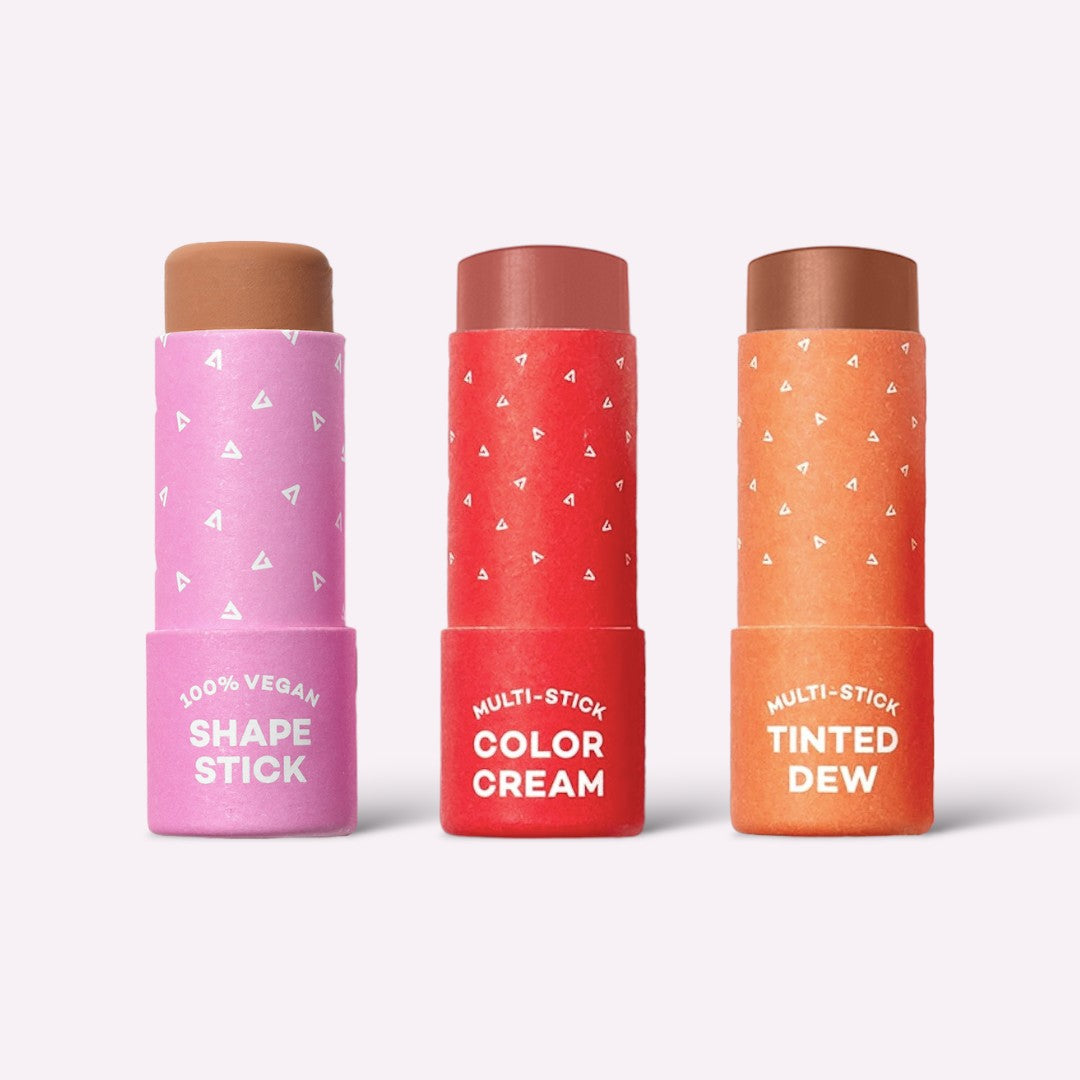
So, what is eco-friendly makeup, really? It’s not just a buzzword. It's a whole philosophy that looks at the entire life of a product—from how its ingredients are ethically sourced all the way to its low-waste packaging. It’s about making sure what we put on our skin is safe, never tested on animals, and kind to our planet.
What Defines Eco Friendly Makeup
Let's be real: the conventional beauty industry can feel a lot like fast fashion. The focus is often on pumping out products quickly and cheaply, which usually means single-use plastic, shady ingredient sourcing, and formulas that aren’t great for us or for the environment. Eco-friendly makeup is the thoughtful, sustainable pushback to all of that.
But what does that actually look like on your bathroom counter? It's not just one thing. It’s a real commitment to a few core ideas that, when put together, create a product you can feel genuinely good about. Getting a handle on these pillars is the secret to seeing past the slick marketing and making choices that truly count.
The Core Pillars of Sustainable Beauty
Truly eco-friendly makeup stands on a few key principles. When a brand nails these, you know they're the real deal.
- Ethical Ingredients: This is about more than just what's in the product. It’s about where those ingredients came from. Were they grown and harvested in a way that doesn’t drain natural resources or harm local communities? Are the formulas non-toxic and free from sketchy chemicals?
- Low-Waste Packaging: A massive amount of the beauty industry’s trash problem comes from packaging. Sustainable brands are getting creative here, using refillable containers, compostable materials, glass, aluminum, and post-consumer recycled (PCR) plastics.
- Cruelty-Free Practices: This one's a non-negotiable. It means zero animal testing at any point in the process—from the raw ingredients to the final lipstick. Certifications like Leaping Bunny are a great way to verify this.
At its heart, eco-friendly makeup asks one simple question: What is the total impact of this product? It traces the journey from the earth, to your skin, and back to the earth again, trying to leave the lightest footprint possible.
Moving Beyond the Buzzwords
The beauty world loves to throw around words like 'clean,' 'green,' and 'natural,' but they aren’t always regulated, which can make things super confusing. That’s why it’s so much better to focus on what a brand is actually doing.
Does the company tell you exactly where its ingredients come from? Is their packaging designed to be refilled or recycled? And are their cruelty-free promises backed up by a legitimate certification?
By zeroing in on these pillars—ingredients, packaging, and ethics—you can start to see what makes a makeup product genuinely sustainable. It gives you a framework to cut through the marketing noise and support brands that actually walk the walk. Now, let's dig into each of these areas so you can become a pro at curating a beauty routine that’s as kind to the planet as it is to your skin.
Decoding Labels and Finding Better Ingredients
Let's be honest: trying to navigate the world of eco-friendly makeup can feel like learning a whole new language. You’ve got these super long ingredient lists, tons of confusing jargon, and it's easy to just throw your hands up. But here’s the thing—understanding what’s actually in your products is the single most powerful step you can take. It’s how you build a beauty routine that’s genuinely sustainable.
To really get it right, you have to become a pro at reading labels. Don't worry, this isn't a pop quiz. Think of it more like reading a recipe; you just want to know what you're putting on your skin. Thankfully, you don't need a chemistry degree to learn how to decipher product labels effectively. It just takes a little guidance on what to look for and, just as importantly, what to run from.
Ingredients To Embrace In Your Makeup
The absolute best eco-friendly makeup taps into the power of nature, using ingredients that are as good for your skin as they are for the planet. These are the sustainable heavy-hitters that give you amazing color and performance without any of the sketchy side effects.
- Nourishing Plant Oils and Butters: Think jojoba oil, castor oil, shea butter, and kokum butter. These guys are loaded with vitamins and fatty acids that create a creamy, blendable base for lipsticks and foundations while giving your skin a serious moisture boost.
- Mineral Pigments: Instead of weird synthetic dyes, great brands use naturally occurring minerals like iron oxides, mica, and titanium dioxide. They deliver rich, gorgeous color for everything from eyeshadows to blushes and are way gentler on sensitive skin.
- Plant-Based Waxes: Candelilla and carnauba wax are fantastic vegan alternatives to beeswax. They’re what give lipsticks and balms their structure so they glide on smoothly and actually stay put.
These ingredients are usually minimally processed and biodegradable, which is just a fancy way of saying they can return to the earth without messing things up. To get more confident in your conscious shopping, you can check out a full list of awesome natural makeup ingredients.
This map here is a great way to see how it all connects—ingredients, packaging, and cruelty-free practices are all part of the same puzzle.

It really shows that a truly sustainable product needs a 360-degree approach. You can't just nail one part and ignore the others.
The Red List: Ingredients To Avoid
Knowing what to look for is half the battle; knowing what to leave on the shelf is the other. So many conventional makeup products are packed with ingredients that have known environmental and health issues. Learning to spot these on a label is your first line of defense.
A core principle of eco-friendly makeup is precaution. If there’s even a question about an ingredient's safety or environmental impact, sustainable brands will just skip it and find a better, proven alternative. Simple as that.
Some of the most common offenders you’ll see are parabens, phthalates, and synthetic fragrances—all of which have been linked to various health concerns. Even worse are ingredients like microplastics, which pose a direct threat to our oceans. These tiny plastic particles wash down our drains, end up in waterways, and cause huge problems for marine life.
To make it a little easier, here’s a quick cheat sheet comparing some common culprits with their much better, sustainable alternatives.
Conventional Ingredients vs Sustainable Alternatives
Spotting the good from the bad can feel overwhelming, but this table breaks it down. Once you know what to look for, you'll be scanning ingredient lists like a pro.
| Conventional Ingredient to Avoid | Potential Concern | Eco-Friendly Alternative | Benefit of Alternative |
|---|---|---|---|
| Parabens (e.g., methylparaben) | Used as preservatives; they’re potential endocrine disruptors. | Vitamin E (Tocopherol) | A natural antioxidant that keeps products fresh while nourishing your skin. |
| Phthalates (e.g., DBP) | Often hidden in "fragrance" and linked to health concerns. | Essential Oils & Plant Extracts | Give you beautiful, natural scents without the risky synthetic chemicals. |
| Microplastics (e.g., polyethylene) | Used for texture, but they’re a major ocean pollutant that harms marine life. | Jojoba Beads or Bamboo Powder | Natural, biodegradable exfoliants that feel great without polluting our water. |
| Synthetic Dyes (e.g., "Red 40 Lake") | Made from petroleum and can cause skin irritation. | Mineral Pigments (Iron Oxides) | Earth-derived pigments that offer vibrant, lasting color and are super gentle. |
Getting familiar with this "red list" is a game-changer. It empowers you to quickly scan an ingredient list and make a choice that supports brands doing right by your health and the planet.
Rethinking Packaging to Reduce Your Footprint

Let’s be real: what’s inside the tube or compact is only half the story. Traditional makeup packaging—with its endless layers of single-use plastic, shrink-wrap, and glossy boxes—creates a truly staggering amount of waste. Most of it ends up sitting in landfills for hundreds of years.
If we want to get serious about eco-friendly makeup, we have to look at the entire lifecycle of a product. And that conversation absolutely has to start with packaging. Forward-thinking brands are flipping the script by asking a simple question: How can we give you a beautiful product without the permanent trash?
This isn't just a niche trend; it’s a full-blown movement. The clean beauty market, which is a huge part of the eco-friendly world, was valued at USD 7.29 billion in 2024 and is projected to grow by 13.8% every year. That growth is coming from shoppers like us. Reports show that 67% of global consumers are actively changing their habits to shrink their environmental impact. (You can see more on this growing demand over at stellarmr.com.)
The Rise of Zero-Waste and Refillable Systems
It’s a simple idea, but a powerful one: the most sustainable package is the one that doesn't exist in the first place. This is the heart of zero-waste packaging, a philosophy aimed at eliminating trash by using materials that are fully reusable, compostable, or recyclable.
Think of it like your favorite reusable coffee cup. You buy the durable, beautiful mug once, and then you just get it refilled, skipping a disposable cup every single morning. The best eco-friendly makeup brands are applying that same logic to their products.
- Refillable Compacts: Instead of tossing the whole compact when your blush runs out, you just buy a new little metal pan of product that pops right into the pretty case you already own.
- Glass and Aluminum Jars: These materials are recycling superstars. They can be recycled over and over again without losing any quality, which makes them a fantastic alternative to plastic for creams and serums.
- Compostable Tubes: Some brands, like us here at Axiology, are using innovative paper tubes for lipsticks and balms. When you’re done, they can be composted right at home and return to the earth without a trace.
Choosing refillable options isn't just about buying a product. You're investing in a system that dramatically cuts down on resource consumption and waste over time.
Understanding Sustainable Materials
When packaging is a must, the choice of material is everything. Not all "eco" materials are on the same level, so knowing the lingo helps you make smarter choices.
Post-Consumer Recycled (PCR) Materials
Post-Consumer Recycled (PCR) plastic is a game-changer. It’s made from the plastic waste that we—the consumers—have already used and put in our recycling bins. Using PCR gives existing plastic a second life, slashes the demand for brand-new, fossil-fuel-based plastic, and keeps a ton of waste out of landfills.
Want to go deeper? We break it all down in our complete guide to eco friendly makeup packaging.
Other Planet-Friendly Options
Beyond PCR, brands are getting super creative with materials that leave a lighter footprint.
- Bamboo: It's a fast-growing, renewable grass that works great for compacts and mascara tubes.
- FSC-Certified Paper: This seal of approval means the paper and cardboard come from forests that are managed responsibly.
- Glass and Aluminum: Like we said, these are the champs of recycling, holding onto their quality through endless cycles.
Just by paying a little more attention to what your makeup comes in, you can seriously reduce your personal environmental footprint. It’s a powerful way to vote with your wallet for a cleaner, kinder beauty industry.
Navigating Certifications and Spotting Greenwashing
Walking down the beauty aisle can feel like trying to navigate a jungle of buzzwords. Brands are shouting from the rooftops that they’re “green,” “natural,” and “earth-friendly,” but what does any of that actually mean?
Unfortunately, without strict regulations, these terms can be used pretty loosely. This practice has a name: greenwashing.
Greenwashing is a sneaky marketing tactic where a company spends more time and money making you think it’s eco-friendly than it does on actually cleaning up its act. It’s like slapping a “healthy choice” sticker on a candy bar. The whole point is to win over shoppers like us without doing the hard work of making genuinely sustainable products.
This is exactly why third-party certifications are your best friend. These little logos cut through all the marketing fluff to give you verified, trustworthy info. Think of them as your shortcut to confidence, confirming a brand has met specific, tough standards set by an independent group.
Trustworthy Seals of Approval
When you’re scanning a product, a few key logos can tell you a lot about a brand's real commitment to the planet and its creatures. They’re like stamps of authenticity, signaling that a brand has actually been vetted.
This is a big deal, especially as more people demand better products. The global vegan cosmetics market, a huge piece of the eco-friendly beauty puzzle, hit USD 19.21 billion in 2024. It’s expected to jump to USD 32.56 billion by 2032. That's a massive shift driven by conscious consumers.
To make sense of it all, it helps to know which certifications carry real weight. Here’s a quick guide to some of the most common and reliable ones you’ll see.
Key Eco-Friendly Makeup Certifications Explained
| Certification Logo | What It Means | Key Standard It Verifies |
|---|---|---|
| Leaping Bunny is the gold standard for cruelty-free. | No animal testing was used at any stage of product development—not by the company, its labs, or its ingredient suppliers. | |
| Certified Vegan ensures the product is completely free of animal-derived ingredients. | Confirms no animal products or by-products are present in the formula, from beeswax to carmine. | |
| USDA Organic is most common in food, but for makeup, it’s a big deal. | At least 95% of the product's ingredients are certified organic, meaning they're grown without synthetic pesticides or fertilizers. | |
| ECOCERT is a leading European certification for organic and natural cosmetics. | Verifies that ingredients come from renewable resources and are manufactured using environmentally friendly processes. |
These logos aren't just for show; they represent a serious commitment from a brand to do things the right way.
How to Spot Greenwashing Red Flags
What if there's no certification? That's when you have to put on your detective hat. Brands that greenwash often use vague language and pretty pictures to create a false sense of sustainability.
Greenwashing preys on good intentions. By learning to recognize its classic tells—like ambiguous language and a lack of specific proof—you can ensure your purchasing power supports genuine change, not just clever marketing.
Here’s a quick checklist of red flags to keep in your back pocket:
- Vague and Fluffy Language: Watch out for words like "eco-friendly," "natural," or "green" without any specifics to back them up. What makes it "green"? If they can't tell you, that’s a red flag.
- Misleading Imagery: Using photos of leaves, green packaging, or earthy tones to imply a product is sustainable when it’s not is a classic trick.
- Hidden Trade-Offs: A brand might brag about one small sustainable feature—like using a recycled cardboard box—while ignoring much bigger problems, like a formula full of harmful chemicals.
- Lack of Proof: Real-deal brands are proud of their certifications and display them clearly. If a company makes a claim but offers zero proof or third-party verification, it's time to be skeptical. If you want to dive deeper, check out our guide on breaking down sustainability buzzwords.
Ultimately, transparency is the cure for greenwashing. For those interested in the industry side of things, successful strategies for beauty care brand growth almost always revolve around building consumer trust and being genuinely ethical. A truly eco-friendly makeup brand will be an open book about its practices, from sourcing to packaging, so you can make a choice you feel great about.
How to Build Your Eco Friendly Makeup Routine

So, you're ready to switch to an eco-friendly makeup routine? It can feel like a huge, expensive project, but it absolutely doesn't have to be. The most sustainable way to start isn't some dramatic, wasteful purge of everything you already own. It's actually a much quieter, more mindful transition that’s good for the planet and your bank account.
The biggest thing is to resist the urge to start from scratch. Tossing out perfectly good makeup creates the very waste we're trying to avoid. A slow and steady pace is what makes this journey both doable and genuinely low-impact.
And you're not alone in this. Conscious consumerism is catching on big time. The market for natural and organic cosmetics in North America was valued at USD 25 billion in 2024 and is expected to nearly double to USD 45 billion by 2035. This boom is happening because people are demanding cleaner, more sustainable choices. You can dive deeper into this shift in this detailed report on natural cosmetics.
Your Gradual Transition Plan
Think of this as a roadmap, not a sprint. By swapping out items one by one as they run out, you give yourself the space to research and find new eco-friendly products you'll actually love. It's a lot kinder to your wallet and prevents you from ending up with a drawer full of things you never touch.
Here's how to ease into it:
- Use What You Have First: Before you buy a single new thing, make a pact to finish the products already in your makeup bag. Seriously. This is the simplest, most effective way to cut down on immediate waste and respect the resources that went into making those items.
- Replace As You Go: The moment your go-to foundation sputters its last drop or your mascara is officially done, that's your cue. Replace just that one item with a mindfully chosen sustainable alternative. This one-in, one-out method keeps things manageable.
- Start with Your Daily Drivers: Zero in on the products you use every single day. For most of us, that's foundation, concealer, mascara, or a favorite lipstick. Switching these staples first will make the biggest dent in your routine’s footprint.
Embrace the Makeup Capsule Concept
If you want to take your low-waste game to the next level, try creating a "makeup capsule." It’s an idea borrowed from the capsule wardrobe, where you curate a small collection of high-quality, versatile products that you love and use all the time.
A makeup capsule isn't about restriction; it's about intention. By curating a small set of multi-use products, you simplify your routine, reduce clutter, and drastically cut down on consumption and packaging waste.
The hero of any good makeup capsule is the multi-use product. Think of a creamy blush stick that also works as a gorgeous lip tint and a sheer eyeshadow. Or a bronzer that doubles as a contour and a simple eyeshadow.
Brands like Axiology are all about this philosophy. Our multi-use Balmies and Color Cream Sticks are designed to do it all, streamlining your routine without limiting your creativity. Building a capsule around these hardworking products is a fantastic way to create an eco-friendly makeup practice that feels both simple and beautiful.
Alright, let's tackle the common questions and concerns that pop up when you're thinking about switching to an eco-friendly makeup routine. It's totally normal to wonder about the price, the performance, and even just where to start looking. Let's clear the air on a few of these so you can feel good about making the move.
Even when you’re excited to make more conscious choices, the practical stuff still matters. The fantastic news is that the sustainable beauty world has come such a long way. You really don't have to choose between your values and getting high-quality, amazing makeup anymore.
Is Eco-Friendly Makeup More Expensive?
This is a big one. While some sustainable brands might seem pricier upfront, that’s not the whole story. It’s often more economical in the long run. Think of it less as a simple purchase and more as an investment in quality that actually pays off.
For starters, many eco-friendly products are made with super concentrated, high-quality ingredients. That means a tiny bit goes a very long way, so the product lasts much longer than its cheaper counterpart. Plus, with the rise of awesome refillable systems, you're cutting down on long-term costs in a big way. After you buy the beautiful case once, you're only paying for the product refill, not all that extra packaging.
The real cost of a product goes way beyond its price tag. When you consider how long it lasts, its multi-use potential, and the savings from refills, eco-friendly makeup often turns out to be a smarter financial choice than buying cheap, disposable options over and over again.
Does Eco-Friendly Makeup Perform as Well?
Yes, absolutely! This might be one of the biggest myths out there, but the clean beauty world has completely erased the performance gap. Gone are the days of patchy formulas or lipstick that vanishes within an hour. Today’s sustainable makeup performs just as well as—and honestly, often better than—the conventional stuff.
Brands are now using incredible plant-based science and rich mineral pigments to create products with serious staying power and vibrant color. You can find everything from bold, long-lasting eyeshadows to foundations with flawless coverage and mascaras that won’t smudge. In fact, many professional makeup artists now swear by clean brands because they deliver exceptional, reliable results without compromising on health or ethics.
Where Can I Find Trustworthy Brands?
Finding great eco-friendly makeup brands is so much easier than it used to be. A fantastic place to start is with dedicated clean beauty retailers, whether online or in-person. These shops have already done the hard work of vetting brands for you by holding them to super strict ingredient and sustainability standards.
Here are a few reliable ways to find your new favorites:
- Curated Retailers: Shops like Credo Beauty or The Detox Market have incredibly high standards for the brands they carry, making them a safe and exciting place to explore.
- Health Food Stores: Don't overlook the beauty aisle at your local natural grocer. They often have growing selections of certified organic and cruelty-free gems.
- Look for Certifications: Always flip over the package or check a brand’s website for the key certifications we talked about, like Leaping Bunny or ECOCERT. They’re your proof that the brand walks the walk.
Using these resources, you can confidently find amazing brands that not only align with your values but also deliver the beautiful results you’re looking for.
Ready to build a beauty routine that's kind to your skin and the planet? Explore the full collection of zero-waste, vegan, and cruelty-free products from Axiology and discover how beautiful sustainability can be. Find your new favorites today at axiologybeauty.com.