If you've ever typed "makeup that is chemical free" into a search bar, you're not alone. It usually comes from a really good place—a desire to find safer, healthier products for our skin.
Here's the simple, slightly nerdy truth: no makeup is truly 'chemical free.' Everything, and I mean everything, is made of chemicals. Water is a chemical (H₂O). The coconut oil in your favorite balm is a collection of chemicals. What you’re actually looking for is makeup that’s made without the questionable stuff—the potentially harmful or toxic synthetic ingredients.
What "Chemical Free Makeup" Really Means
Let's just clear the air right now: "chemical free" is a marketing myth. It sounds great, but it's scientifically impossible. A much more useful and honest term is "clean beauty."
This idea isn't about chasing an impossible standard of purity. It’s about being intentional and transparent about the ingredients we use, whether they come from nature or are created safely in a lab.
Think of it like grocery shopping. You’ve got one aisle full of hyper-processed snacks with a laundry list of artificial flavors, dyes, and preservatives you can’t even pronounce. Then you have the fresh produce aisle, stocked with whole foods. Both are technically made of chemicals, but one is obviously a more nourishing choice. Clean beauty is just applying that same "whole food" mindset to your makeup bag.
The Move to More Conscious Cosmetics
The goal here isn't to live in fear of every ingredient on a label. It's about consciously reducing your exposure to substances that are known to be potentially harmful. When you choose clean makeup, you're picking products that deliberately leave out the well-known ingredients of concern. It’s a proactive way to take control of your skin's health.
So, instead of getting hung up on the "chemical free" buzzword, it’s more helpful to look for these core principles of clean beauty:
- Total Ingredient Transparency: Brands that are upfront about every single thing in their formulas. No hiding behind vague terms like "fragrance."
- Safety First: Products formulated to be non-toxic and work with your skin, not against it, by avoiding common irritants and ingredients linked to health issues.
- Conscious Sourcing: Ingredients that are sourced with respect for both people and the planet.
The whole point is to lower your body's toxic burden by making smarter choices where you can. This helps support your body’s natural ability to deal with all the unavoidable environmental junk we encounter every day.
We've all seen a ton of marketing claims out there, and it can feel like you need a chemistry degree to understand them. To make it easier, here’s a quick guide to cut through the noise.
Decoding Common Clean Beauty Claims
This table breaks down the marketing jargon to show you what common beauty terms really mean and what to look for on the label as proof.
| Marketing Term | What It Often Implies | What to Actually Look For |
|---|---|---|
| Clean | The product is made without ingredients suspected of being harmful. | A clear, public "free of" list (e.g., "free of parabens, phthalates, sulfates"). Look for specific ingredient transparency. |
| Natural | Ingredients are derived from natural sources, like plants and minerals. | INCI list (ingredient list) showing plant-based oils, extracts, and butters high up on the list. Certifications like USDA Organic can help but are rare in makeup. |
| Non-Toxic | The product won't cause adverse health effects with normal use. | Third-party certifications like EWG Verified or MADE SAFE. Brands should be able to explain their safety testing standards. |
| Vegan | Contains no animal-derived ingredients or by-products. | Look for explicit "vegan" claims and certifications from organizations like PETA or Vegan Action (the "Vegan" V). |
| Cruelty-Free | The product and its ingredients were not tested on animals at any stage. | The Leaping Bunny certification is the gold standard. A PETA bunny logo is also a strong indicator. |
At the end of the day, a brand that truly embodies these values will make it easy for you to find this information. They won't hide behind confusing language.
Ultimately, the search for makeup that is chemical free is really about reclaiming your power as a consumer. It's about choosing products from brands that put your health—and the planet's—first. To learn more, our guide on non-toxic makeup is a great next step. It's not about being perfect; it's about building a beauty routine you can feel genuinely good about.
The Top Ingredients to Avoid in Your Cosmetics
Let's be honest, trying to read a cosmetic ingredient list can feel like deciphering a secret code. They're long, full of intimidating scientific names, and frankly, a bit overwhelming. But getting a handle on what to avoid is the single most powerful step you can take toward finding makeup that’s genuinely clean and effective for your skin.
Think of it like reading a food label. The ingredient list is the recipe for what you're about to put on your body. You don't need to become a cosmetic chemist overnight, but learning to spot a few key red flags will help you dodge products that don't line up with your health goals.
This is all about shifting your mindset from the vague, impossible idea of "chemical-free" to the much more useful goal of "clean beauty."
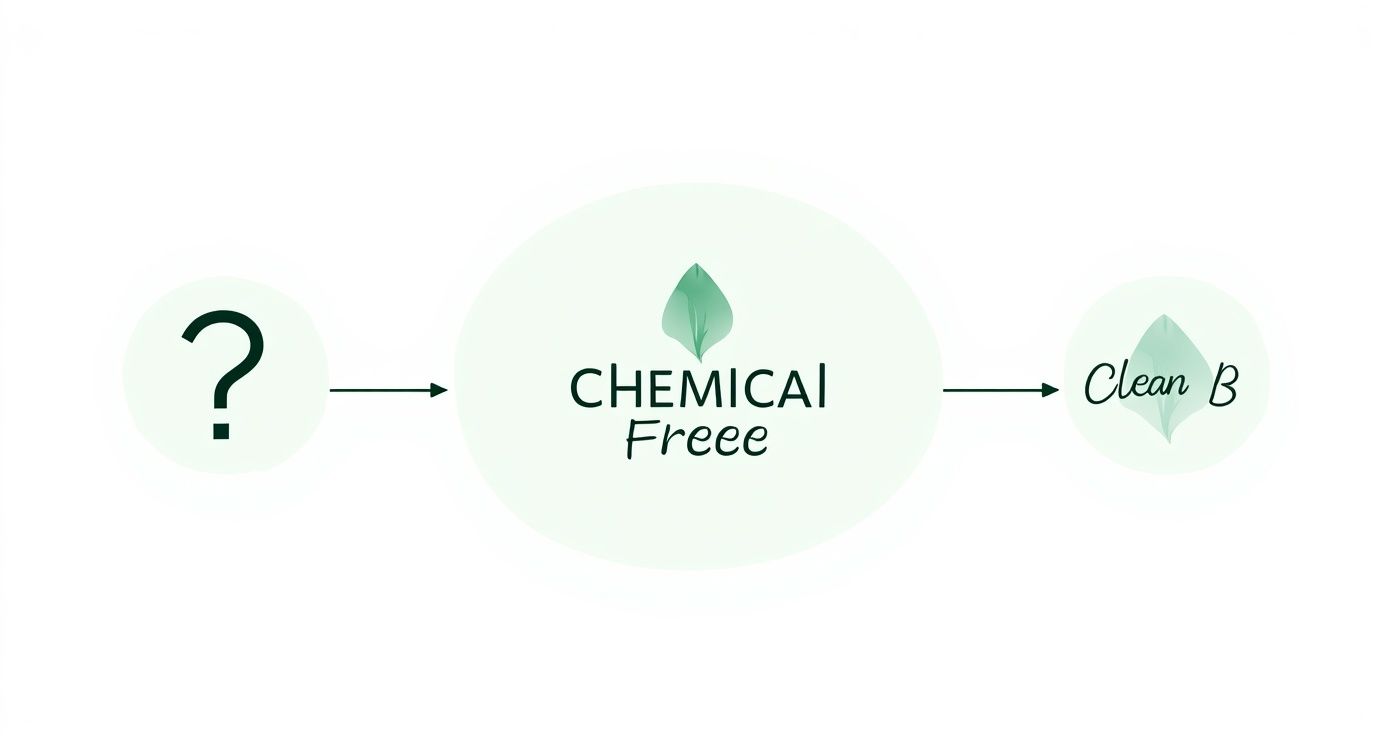
It’s a journey that starts with questioning confusing marketing terms and ends with choosing products with transparent, safe, plant-based formulas.
Key Culprits to Sidestep
To make reading labels way easier, here's a quick rundown of the most common ingredients worth skipping. Knowing why they're on this list helps you make choices based on facts, not fear.
-
Parabens (e.g., Methylparaben, Propylparaben, Butylparaben): These are preservatives used to stop bacteria and mold from growing in your products. Sounds good, right? The catch is that they can mimic estrogen in the body, which raises concerns about disrupting normal hormone function.
-
Phthalates (e.g., Dibutyl Phthalate or DBP): You'll often find these hiding under the catch-all term "fragrance." Phthalates are plasticizing chemicals that help scents stick around longer. Like parabens, they’re known endocrine disruptors and are best avoided, especially in stuff you use every single day.
-
Sulfates (SLS and SLES): Sodium Lauryl Sulfate (SLS) and Sodium Laureth Sulfate (SLES) are the foaming agents that create that satisfying, bubbly lather in cleansers and shampoos. The downside? They can be seriously harsh, stripping your skin's natural oils and leading to irritation, dryness, and inflammation.
There's a reason these ingredients are public enemy #1 in the clean beauty world. Their potential for irritation and hormonal disruption is what has fueled the massive consumer demand for safer alternatives.
And this isn't just a niche trend—it’s a full-blown movement. The clean beauty market was valued at a whopping USD 8.25 billion in 2023. It’s expected to nearly triple to USD 21.29 billion by 2030, which shows just how many people are actively looking for products without ingredients like these.
Understanding Hidden Ingredients
Sometimes, the most problematic ingredients aren't even clearly listed. They can be tucked away inside vague terms, making it nearly impossible to know what you’re really getting.
Synthetic Fragrance or "Parfum" is probably the biggest offender. Think of "fragrance" as a mystery box. Companies aren't legally required to tell you what's in their scent formulas, which can contain hundreds of undisclosed chemicals—including those pesky phthalates. Your safest bet is to choose "fragrance-free" products or those scented only with pure essential oils.
Coal Tar Dyes are used to give color to lipstick and eyeshadow. You'll see them listed as "FD&C" or "D&C" followed by a color and number (like FD&C Red No. 6). They come from petroleum and can be contaminated with heavy metals. No, thank you.
Formaldehyde and Formaldehyde-Releasing Preservatives are potent preservatives that, while less common today, still pop up. They are known human carcinogens and major skin allergens.
Making informed choices is really about knowing what doesn't belong in your products. You can learn more about this philosophy by checking out the 4 ingredients you won’t find in Axiology lipstick. Once you can spot these common culprits, you’ll be able to screen labels with confidence and build a makeup bag that truly has your back.
How to Read and Understand Makeup Labels
Okay, so you know which ingredients to keep an eye out for. Now comes the fun part: learning how to spot them in the wild. Think of a makeup label as a product's resume. It tells you everything you need to know about what's inside, but only if you know how to read it. Decoding these labels is the key to finding genuinely clean makeup that actually works.
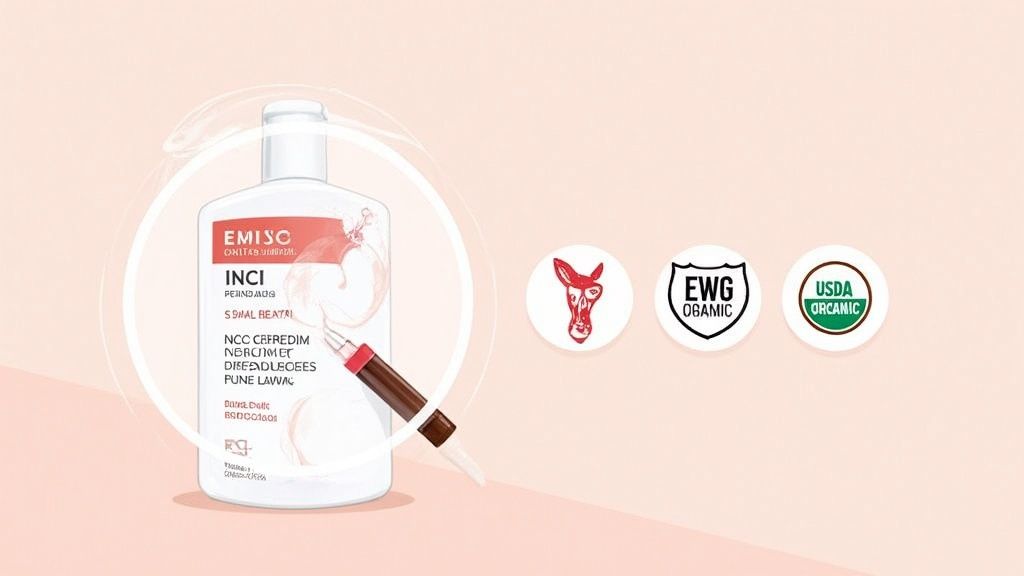
It might look intimidating, but you don’t need a chemistry degree, promise. You just need to get the hang of two things: the ingredient list and the little certification symbols. Once you master these, you'll be able to quickly size up any product and decide if it deserves a spot in your makeup bag.
Cracking the INCI Code
Every cosmetic product has an ingredient list, usually called the INCI list. That stands for International Nomenclature of Cosmetic Ingredients, which is just a fancy way of saying there's a standardized system for naming ingredients so they’re recognizable worldwide. It’s all about transparency.
The most important rule to remember is that ingredients are listed from the highest concentration to the lowest.
The Rule of Five: The first five ingredients on an INCI list usually make up the bulk of the product—often 80% or more of the entire formula. If you see a goodie like jojoba oil listed way down at the bottom, there’s probably just a teeny, tiny drop of it in there.
This means you should always scan what's at the top. Are they nourishing plant oils and butters? Or are they cheap fillers, silicones, and water? On the flip side, if you spot a problematic ingredient you're trying to avoid, its position tells you just how much of it you're dealing with. And speaking of ingredients, you can learn more about the good guys in our guide to natural preservatives for cosmetics.
Understanding Certification Seals
Beyond the ingredient list, certification seals are basically trust shortcuts. These little symbols are awarded by third-party organizations that verify a product meets specific standards for safety, ethics, or sourcing. They do all the vetting so you don't have to.
Here are a few of the most important ones to look for:
-
Leaping Bunny: This is the gold standard for cruelty-free. It’s a guarantee that no animal testing was used at any stage of development—not by the company, its labs, or its suppliers.
-
EWG VERIFIED™: When you see this seal from the Environmental Working Group (EWG), it means the product avoids their long list of ingredients of concern and meets their strictest health standards. It also means the brand is being totally transparent.
-
USDA Organic: While you see this more in skincare, it certifies that the ingredients were grown and processed according to strict federal guidelines, meaning the product is free from synthetic pesticides and fertilizers.
-
PETA's Cruelty-Free & Vegan Bunny: This logo confirms two things at once: the product is cruelty-free and it contains zero animal-derived ingredients, making it 100% vegan.
Think of these logos as a quick reference check. Seeing them means you can feel way more confident that a brand's claims are backed up by a reputable organization. By combining a quick scan of the first few ingredients with a hunt for trusted certifications, you can size up any product in under a minute. It’s the fastest way to build a makeup routine that truly aligns with your health and your values.
Why Clean and Ethical Beauty Is on the Rise
The move toward makeup that’s "chemical-free"—or more accurately, clean and consciously made—is way more than a passing trend. It’s a full-on change in how we think about beauty, and it’s all tied to a bigger cultural shift toward mindful living.
Think about it: we read food labels, we ask where our clothes are made, and now, we’re finally giving our makeup bags the same scrutiny. It’s become impossible to ignore the connection between what we put on our bodies and how we feel in them. This curiosity is pushing the entire beauty industry toward a new standard of honesty, ethics, and performance.
A Deeper Connection to Health
For a lot of people, the switch to cleaner cosmetics starts with a personal health journey. We’re starting to connect the dots between chronic skin issues, hormonal imbalances, and the synthetic chemicals hiding in conventional makeup. So naturally, we’re looking for products that work with our bodies, not against them.
This has sparked a huge comeback for ingredients that have been trusted for centuries. Instead of relying on harsh chemicals made from petroleum, brands are rediscovering the power of nature.
- Plant-Based Oils and Butters: Think jojoba oil, shea butter, and avocado oil. These ingredients are amazing because they mimic our skin's natural moisturizers, giving deep hydration without clogging pores.
- Mineral Pigments: Things like iron oxides and mica give us rich, vibrant color without the concerns that come with artificial coal tar dyes.
- Soothing Botanical Extracts: Ingredients like chamomile and calendula are added for their calming properties, making makeup gentle enough for even the most sensitive skin.
These ingredients don't just fill in for their synthetic cousins; they often do a better job by actually nourishing the skin. The result is makeup that feels as good as it looks, offering real skincare benefits that go way beyond just covering things up.
The Power of Conscious Consumerism
Every dollar you spend is a vote for the kind of world you want to live in. This is especially true in the beauty aisle. As we all demand better, brands have no choice but to listen. This collective voice is the real engine behind the clean and ethical beauty movement.
And the numbers don't lie. The global cruelty-free makeup market, which is a huge part of this movement, is expected to hit around USD 6.88 billion by 2025. That growth is happening because people are actively choosing products that aren't tested on animals and don't contain sketchy chemicals. You can dig into more of the data by checking out the cruelty-free beauty market size.
This isn’t just about dodging a few questionable ingredients. It’s about supporting a philosophy of kindness—kindness to our skin, to animals, and to the planet.
Your choices are sending a loud and clear message to the industry. By opting for products with transparent formulas, ethical sourcing, and sustainable packaging, you're helping build a future where beauty and responsibility are the same thing. It’s a movement powered not by big corporations, but by smart, informed people like you.
Finding the Right Clean Makeup for Your Needs
Let's be real: navigating the world of "clean" beauty isn't about finding one miracle product. It's about finding what’s right for you—your skin, your values, your life. Think of yourself as a detective for your own face. You’re learning to spot the clues on labels that tell you if a product will be a hero or a total dud for your specific needs.
This journey is deeply personal. Whether you're trying to calm down sensitive skin or lighten your environmental footprint, the goal is to build a routine that feels good and that you can feel good about.
Guidance for Sensitive Skin
If your skin throws a fit at the drop of a hat, searching for makeup can feel like walking through a minefield. The good news? So many clean beauty brands are created with you in mind. The trick is to look for calming, soothing ingredients while remembering that even natural stuff can sometimes be irritating.
When you're scanning ingredient lists, look for these skin-soothers:
- Calendula: This gentle flower is amazing for its anti-inflammatory powers, helping to calm down redness and irritation.
- Chamomile: A total classic for a reason. It works wonders to soothe fussy, distressed skin.
- Aloe Vera: Delivers a dose of lightweight hydration while helping to dial down inflammation.
Just remember, "natural" isn't a free pass for every skin type. Some natural ingredients, especially certain essential oils like lavender or citrus, can be major triggers for sensitive folks. A quick patch test on your inner arm is always a smart move before putting something new all over your face.
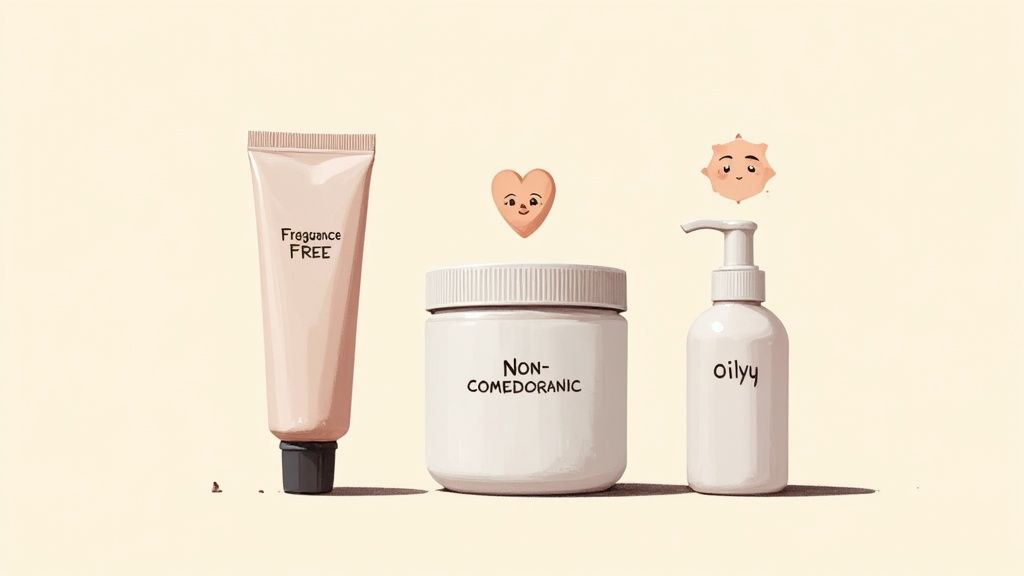
Here's a pro tip: Look for products labeled "fragrance-free," not just "unscented." Unscented products can still contain masking chemicals to cover up other smells. Going truly fragrance-free knocks out a huge category of potential irritants.
For the Eco-Conscious Shopper
For many of us, the path to clean beauty is tied directly to our love for the planet. If you’re trying to minimize your footprint, what’s on the outside of a product is just as crucial as what’s on the inside. True sustainability is so much more than a little recycling symbol on a plastic tube.
Look for brands that are genuinely committed to cutting down on waste with smart packaging. This means seeking out materials that aren't just recyclable, but are also made from recycled stuff or, even better, designed to be used again and again.
- Glass and Aluminum: These are rockstars. They can be recycled infinitely without losing quality, which makes them way better than plastic.
- Refillable Systems: This is the ultimate move in waste reduction. You buy a beautiful, durable container once and just pop in refills. It’s a total game-changer.
- Compostable Materials: Some cool brands are even making packaging that you can compost at home, letting it return to the earth without a trace.
Key Attributes to Search For
Instead of trying to memorize a bunch of brand names, it's way more powerful to learn the language of clean beauty. Looking for plant-powered skin-care brands is a great place to start, but arming yourself with a checklist of key terms is even better.
Here are a few of the most helpful phrases to look for on labels and websites:
- Non-Comedogenic: This is a non-negotiable for anyone prone to breakouts. It means the formula has been tested and is unlikely to clog your pores.
- Dermatologist-Tested: This label means a skin expert has reviewed the product for its potential to cause irritation, making it a safer bet for sensitive types.
- Plastic-Neutral or Plastic-Negative: These certifications show a brand is taking real responsibility for its plastic use by funding the removal of an equal (or greater) amount of plastic from the environment.
When you start focusing on these attributes, shopping stops being a guessing game and becomes a targeted mission. You become the expert on your own skin, building a makeup collection that not only looks amazing but also perfectly aligns with what matters most to you.
How to Build a Sustainable Beauty Routine
Building a more conscious beauty routine isn't about some massive, overnight overhaul. It’s about making small, intentional choices that add up—for both your skin and the planet. This is a journey of progress, not perfection.
The goal is pretty simple: lean into products with safe, transparent, and ethically sourced ingredients that work beautifully without compromise. When you make that shift, you're rewarded with healthier-looking skin and the peace of mind that comes from supporting brands doing things the right way.
This move toward cleaner makeup is part of a much bigger picture of conscious living and sustainability. By aligning your beauty bag with your values, you’re helping push the entire industry in a more responsible direction.
Your First (and Easiest) Step
The best way to start is also the simplest: swap just one product. Seriously, that’s it. When your go-to foundation, mascara, or lipstick runs out, replace it with a cleaner, more sustainable option. It’s manageable, easy on the wallet, and avoids unnecessary waste.
Think about the products you use every single day. Swapping an item you apply daily, like a lip balm or concealer, can make a huge difference in reducing your exposure to questionable ingredients over time.
This one-at-a-time method turns what could be an overwhelming task into a fun process of discovery. You get to figure out what truly works for your skin without the pressure.
This shift in what we're all buying is completely reshaping the beauty world. The natural cosmetics market is expected to grow by an incredible USD 68.99 billion between 2025 and 2029, all because people are demanding healthier, safer products. Read the full research about the natural cosmetics market.
Ultimately, creating a sustainable routine is about curating a collection of products you feel genuinely good about using. Every conscious swap is a vote for a healthier you and a healthier planet. It's a beauty ritual that reflects your values, one thoughtful choice at a time.
A Few Final Questions About Clean Makeup
Dipping your toes into the world of clean cosmetics can feel a little confusing at first. It's totally normal to have questions pop up as you start looking closer at your labels. Let's clear up a few of the most common ones right now.
Is “Natural” Makeup Automatically a Safer Choice?
Not always. The word "natural" sounds great, but it isn't actually a regulated term in the beauty industry. That means it's often more of a marketing buzzword than a real guarantee of safety.
While tons of natural ingredients are amazing for skin, some can be irritating, especially for sensitive types (think certain essential oils). On the flip side, some lab-made synthetic ingredients are completely safe and super effective. The best bet is to ignore the "natural" hype and focus on the full ingredient list instead. It’s about the quality of the ingredients, not just where they came from.
How Can I Switch to Clean Makeup Without Breaking the Bank?
Going clean doesn't mean you have to toss your entire makeup bag and start from scratch. That's a recipe for a sad wallet. The smartest, most budget-friendly way is to simply replace products as you run out of them.
Want to get the most bang for your buck? Start with the products that cover the most skin, like your foundation or concealer. Another great trick is to find awesome multi-use products—like a crayon for your lips, cheeks, and eyes—to get more value from a single purchase. Lots of clean brands also offer mini or trial sizes so you can test things out before splurging on the full-size version.
What's the Real Difference Between Vegan and Cruelty-Free?
These two get thrown around together all the time, but they stand for very different things. Getting the distinction is key if you want to shop your values.
- Cruelty-Free: This is all about animal testing. A cruelty-free certification means no animal testing happened at any point while making the product. The gold standard to look for is the official Leaping Bunny logo.
- Vegan: This means the product has zero animal-derived ingredients inside. We're talking no beeswax, no carmine (a red pigment made from insects), and no lanolin (from sheep's wool).
A product can be cruelty-free without being vegan (it wasn't tested on animals, but it might have beeswax). And a product can be vegan but not certified cruelty-free. If both are important to you, look for brands that shout about being both.
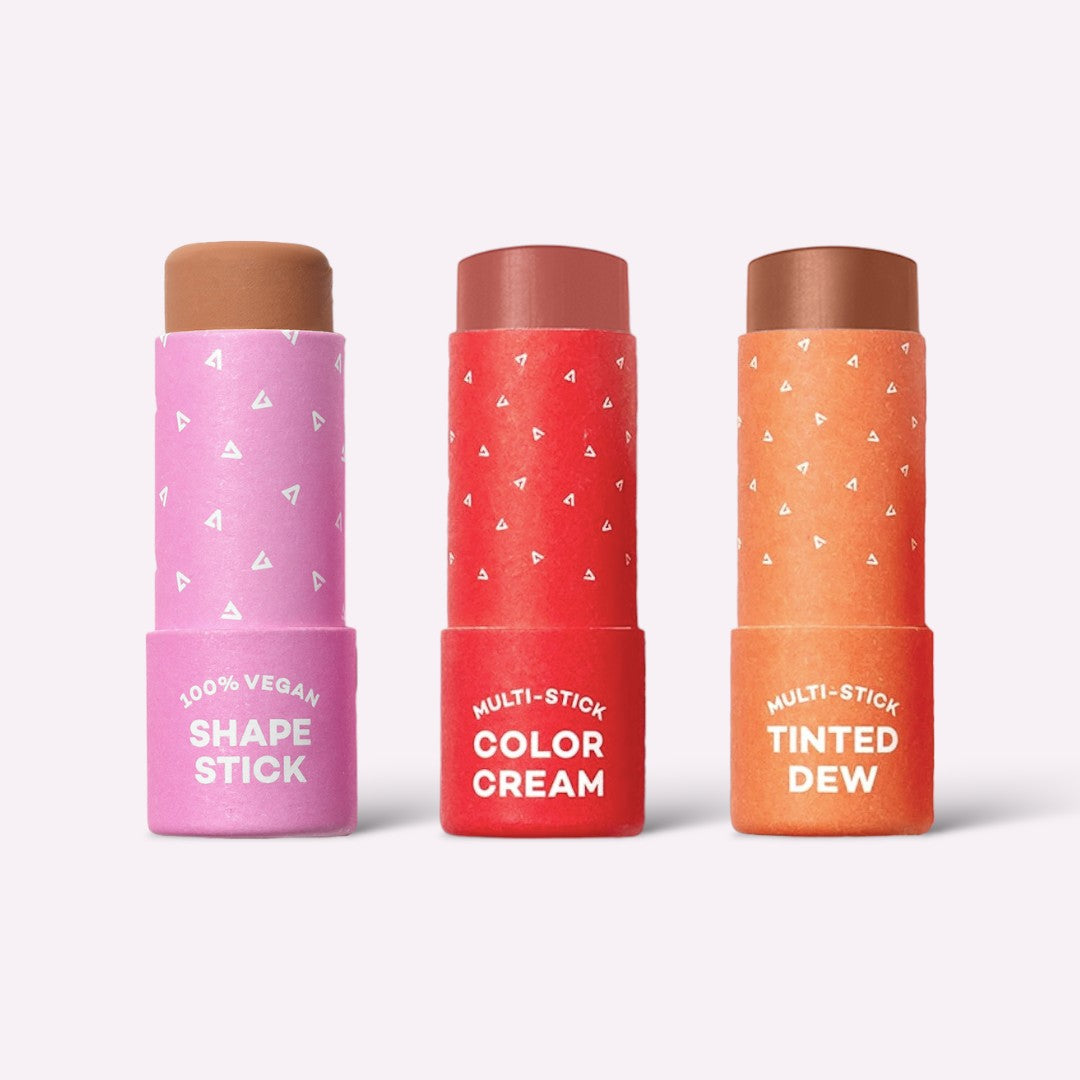
At Axiology, we don’t think you should ever have to choose. All of our products are 100% vegan, cruelty-free, and come in plastic-free packaging. It’s all part of building a beauty routine that’s kind to your skin, the animals, and our planet. Discover our collection today.