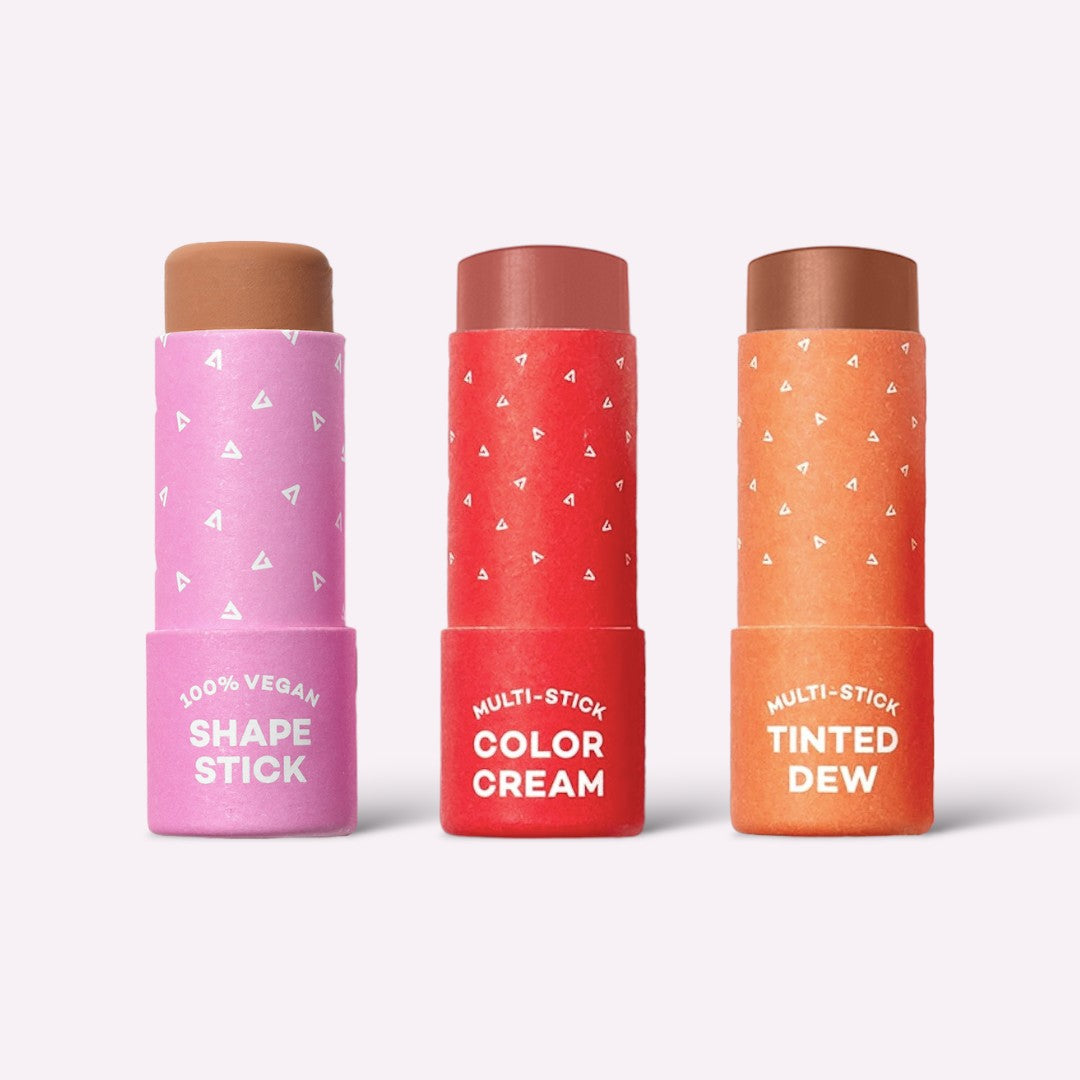
Sustainable cosmetics are products that are ethically sourced, environmentally friendly, and cruelty-free. But it goes way deeper than that, looking at the entire lifecycle from the first ingredient to the very last trace of packaging. It's a full-circle approach that puts the health of people and the planet first.
What Makes a Cosmetics Brand Truly Sustainable
"Sustainable" gets thrown around a lot in the beauty aisle, but what does it actually mean? It’s so much more than slapping a green leaf on the box or claiming "natural" ingredients. Real sustainability is a deep, all-encompassing commitment that covers a product's entire journey, from how it's born to where it ends up.
Think of it like a healthy ecosystem. For the whole system to thrive, every single part—the soil, the water, the plants, the animals—has to work together. A genuinely sustainable cosmetics brand runs on that same idea. It doesn’t work if one part is "green" while the others are causing harm.
A Full-Circle Commitment
This big-picture view means scrutinizing every single step. A brand’s job isn't over once you've bought their product; it actually extends way beyond the checkout counter. This is what separates the truly committed brands from the ones just riding the green wave.
And make no mistake, this isn't just a niche trend. The global sustainable beauty market, currently valued at USD 190.7 billion, is expected to more than double to a whopping USD 433.2 billion by the early 2030s. That kind of growth shows that sustainability has gone from a nice-to-have marketing angle to an absolute must. You can read more about this massive shift in beauty brand sustainability statistics from FreeYourself.com.
So, where is a brand's commitment truly tested? It boils down to a few key areas:
- Sourcing: Where are the ingredients coming from? Are they farmed and harvested in a way that protects biodiversity and doesn't drain our natural resources?
- Supply Chain: How are the people making the product treated and paid? Is transportation managed to keep the carbon footprint as small as possible?
- Packaging: Is that pretty container made from recycled materials? Can you refill it, compost it, or at least recycle it easily?
- End-of-Life: What happens when the bottle’s empty? Does the brand have a take-back program or give you clear instructions on how to dispose of the packaging without it ending up in a landfill?
True sustainability isn't just one action—it's a philosophy that runs through everything a company does. It’s about making conscious choices at every turn to minimize harm and, whenever possible, actually do some good.
This full-circle thinking is everything. A lipstick made with organic ingredients but stuck in a non-recyclable plastic tube isn't cutting it. Same goes for a face cream in a beautiful glass jar if the ingredients were sourced unethically. Every piece of the puzzle has to fit. Once you start seeing the whole picture, it becomes much easier to spot the brands that are genuinely in it for the planet. For a closer look, check out our guide on what defines environmentally friendly beauty products.
The Five Pillars of Sustainable Beauty
Let's be honest, figuring out what "sustainable" actually means in the beauty world can feel like a full-time job. But it gets a lot easier when you know what to look for. Think of it like a building held up by five essential pillars. If a brand is weak in one area, the whole structure gets wobbly.
By looking at a company through the lens of these five areas, you can see past the marketing fluff and figure out which sustainable cosmetics brands are truly walking the walk.
This little map shows how everything from sourcing to packaging and recycling fits together.
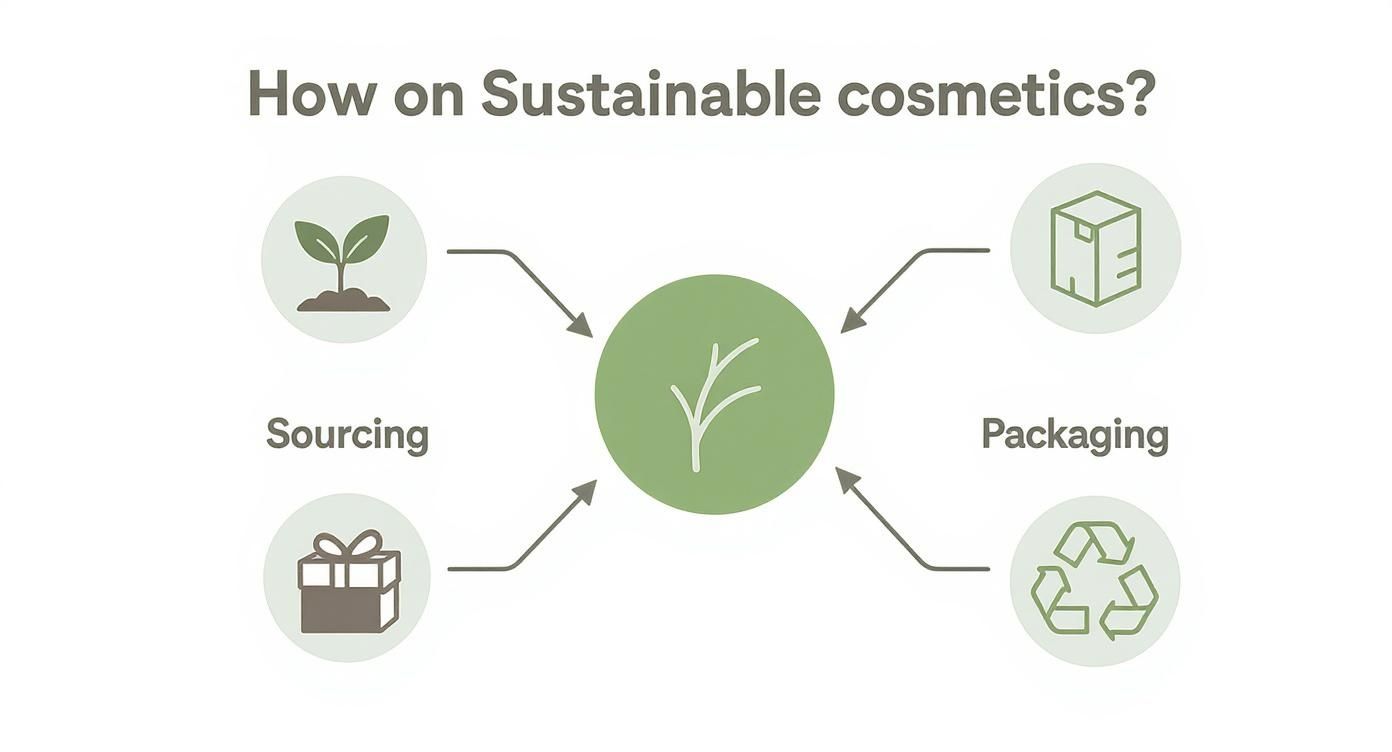
The point is, no single pillar can stand on its own. A brand has to be solid across the board to be genuinely sustainable.
1. Ethical Ingredient Sourcing and Formulation
It all starts here. The heart of any cosmetic product is its ingredients, so this is the first and most important pillar. Sustainable sourcing means a brand is choosing botanicals and minerals that are not only safe for your skin but are also harvested in a way that respects the planet and its people.
That means no over-harvested or endangered plants, and fair wages for the farmers who grow them.
The formula itself is just as critical. The best brands use ingredients that are biodegradable, so they don’t stick around in our rivers and oceans after you wash your face. This demand for real accountability is forcing companies to completely rethink how they make things.
We’re seeing this shift most clearly in the clean beauty space. While it's still a slice of the larger pie, it's growing like crazy—valued at USD 7.29 billion and projected to shoot up to USD 20.51 billion. That’s a compound annual growth rate of 13.8%, blowing the rest of the beauty market out of the water. It’s proof that clean, ethically sourced ingredients are what people actually want. You can dig into more stats on the clean beauty market's rapid expansion on stellarmr.com.
2. Responsible Packaging Choices
Let’s talk trash. The beauty industry has a massive packaging problem, churning out over 120 billion units a year. Most of it isn’t recyclable. This pillar is all about breaking that toxic cycle. The brands doing it right are ditching virgin plastic and getting creative with smarter, circular options.
So, what does that look like?
- Refillable Systems: Brands offer simple refills so you can reuse the original pretty container over and over.
- Post-Consumer Recycled (PCR) Materials: The packaging itself is made from old, recycled plastic, giving it a second chance at life.
- Compostable or Biodegradable Materials: Cool new packaging made from paper or plants that’s designed to break down and go back to the earth.
- Plastic-Free Design: Some brands are just saying "no" to plastic altogether, using aluminum, glass, or even creating solid, package-free products.
A brand's packaging is a huge tell. If it’s designed to be tossed after one use, it’s pretty clear they aren’t thinking about the product's end-of-life.
3. Clean Manufacturing and Supply Chains
A product's journey from a farm to your bathroom shelf is a long one, involving a whole network of suppliers and factories. A truly sustainable brand looks at this entire supply chain under a microscope to make sure it’s ethical and has the smallest possible environmental footprint.
This means asking the hard questions. Are the factory workers paid a living wage? Does the company track and reduce its carbon emissions from shipping and production? It also means a rock-solid commitment to being cruelty-free, with zero animal testing at any point, ever.
4. Verifiable Transparency and Certifications
Words like "eco-friendly" or "all-natural" are totally meaningless without proof. This pillar is all about verifiable transparency. It’s where brands back up what they say with legit, third-party certifications that you can trust.
Look for these logos. They’re like a cheat sheet for conscious shoppers:
- Leaping Bunny or PETA's Beauty Without Bunnies: Your guarantee that a product is 100% cruelty-free.
- Fair Trade Certified: This seal means ingredients were sourced ethically and workers were paid fairly.
- B Corp Certification: This is a big one. It shows a company meets super high standards for social and environmental performance and transparency.
When a brand proudly shows off these certifications, they're showing you their report card. They aren't just telling you they're sustainable—they're proving it.
5. End-of-Life Responsibility
Okay, so what happens when you’ve scraped the last bit of product out of the tube? A truly sustainable brand has already thought this through. This final pillar is about taking responsibility for a product's entire life, especially what happens after you’re done with it.
This can look like a few different things. Some brands have take-back programs where you can return your empties to be properly recycled or reused. Others give you super clear instructions on how to take apart the packaging to recycle it yourself. The ultimate goal is to design things for a circular economy, where waste is designed out from the beginning and materials just keep getting used.
To help you put this all into practice, here's a quick checklist. Use this table to see how your favorite brands stack up against the five pillars.
Evaluating a Brand's Sustainability Pillars
| Pillar of Sustainability | What to Look For (Green Flags) | Potential Red Flags |
|---|---|---|
| 1. Ingredients & Formulation | Biodegradable formulas, ethically sourced botanicals (e.g., palm oil-free), transparent ingredient lists, non-toxic components. | Vague ingredient lists, use of endangered botanicals, conventional palm oil, non-biodegradable ingredients like microbeads. |
| 2. Packaging | Plastic-free, refillable, compostable, or high-PCR content packaging. Minimalist design and clear disposal instructions. | Single-use plastics, non-recyclable mixed materials, excessive layers of packaging, no mention of recycled content. |
| 3. Supply Chain & Manufacturing | Cruelty-free certifications, fair labor practices, carbon reduction goals, local manufacturing to reduce transport emissions. | No cruelty-free verification, lack of transparency about factory conditions, no information on carbon footprint. |
| 4. Transparency & Certifications | Third-party seals like Leaping Bunny, B Corp, or Fair Trade. Publicly shared sustainability reports and clear, honest claims. | Use of meaningless buzzwords ("eco-friendly," "natural") without proof. No third-party certifications to back up claims. |
| 5. End-of-Life | Offers a take-back or recycling program. Designs packaging for easy disassembly and recycling. Actively promotes a circular model. | No guidance on how to dispose of packaging. Products designed for landfill. "Wish-cycling" claims without real solutions. |
This framework isn't about finding a "perfect" brand—progress over perfection, right? But it gives you the power to make informed choices and support the companies that are genuinely committed to a better, more beautiful future.
Decoding Natural and Organic Labels
Walking down the beauty aisle, you're hit with a barrage of labels: "natural," "organic," "clean." It's so easy to see these words and think they all just mean "good for the planet." But the real story is way more complicated.
These labels can be important clues, but they don't automatically make a product sustainable. Getting a grip on what they actually mean is the first step to shopping smarter.
So, What's "Natural"?
At its core, "natural" just means the ingredients come from nature—plant extracts, minerals, that kind of thing. And that sounds great! It often means fewer synthetic chemicals and weird fillers.
The catch? The word "natural" is pretty much the Wild West of the cosmetics industry. It’s not a regulated term, so brands can use it very loosely. A product could be mostly synthetic but slap a "natural" label on the front because it contains a single, tiny drop of a plant-derived ingredient.
That lack of rules creates a huge gray area for anyone trying to do the right thing.
The Good and the Bad of Natural Ingredients
On the one hand, genuinely natural products are a big step away from the petroleum-based chemicals that can mess with our bodies and our ecosystems. Brands that are truly committed to natural formulas usually put a lot more thought into where their ingredients come from.
But "natural" doesn't always equal harmless. The massive demand for trendy botanicals like sandalwood has led to over-harvesting, illegal logging, and endangered species. True sustainability means sourcing these ingredients responsibly so that plants can regenerate and local communities aren't exploited.
Getting a Handle on the "Organic" Standard
The "organic" label gives us a bit more to go on because it's actually regulated. For a beauty product to get that coveted certified organic seal, its ingredients have to be grown without synthetic pesticides, herbicides, or GMOs.
This is a big deal. Choosing certified organic products from sustainable cosmetics brands is a fantastic way to support farming practices that are better for the soil, the water, and the people growing the crops.
But even an "organic" label doesn't tell you everything. Think about it:
- Packaging: Those awesome organic ingredients can still come in a plastic bottle that’s destined for a landfill.
- Ethics: The organic seal doesn't say a thing about fair wages or safe working conditions for the people who harvested the ingredients.
- Carbon Footprint: Shipping a heavy glass jar of organic face cream across the ocean burns a ton of fuel.
The demand for natural and organic cosmetics is huge—the market was valued at USD 45.61 billion and is expected to more than double to USD 103.23 billion. This consumer-driven wave is pushing brands to innovate with things like upcycled botanicals and biodegradable packaging. You can discover more insights about the natural cosmetics market on precedenceresearch.com.
An ingredient's origin is only the first chapter of its sustainability story. We also have to consider how it was grown, harvested, processed, packaged, and transported.
Look Beyond the Ingredient List
At the end of the day, "natural" and "organic" are good starting points, but they are not the finish line. A truly sustainable brand thinks about the entire life of a product, from start to finish. This means we have to look past the pretty words on the front of the bottle and hunt for proof.
That proof often comes from third-party certifications. To really understand what you're buying, it helps to know what different seals mean. For example, understanding key certification standards like Oeko-Tex Standard 100 in the textile world shows how these verifications can promise safety and environmental responsibility—a principle that's just as important in beauty.
Look for seals like Fair Trade, Leaping Bunny (for animal welfare), and B Corp to back up a brand's claims about everything from ethical sourcing to its overall impact on people and the planet.
How to Spot and Avoid Greenwashing
Once you decide to shop for truly sustainable cosmetics, you’ll almost immediately hit a wall: greenwashing. It’s a frustratingly common marketing trick where a brand spends more time and money making you think it’s eco-friendly than it does on actually, you know, being eco-friendly. It's the art of illusion, and it's designed to get your money without doing any of the hard work.
Think about a brand that plasters "eco-friendly bottle!" all over its ads because it uses 10% less plastic. Sounds good, right? But they’re hoping you won't notice that the formula inside is loaded with non-biodegradable chemicals and was tested on animals. That’s greenwashing in a nutshell—shining a spotlight on one tiny good deed to hide a mountain of bad practices.
This stuff is everywhere because it works. With 73% of Gen Z happy to pay more for sustainable products, brands know that slapping a green leaf on the label sells. The trick is to become a savvy shopper who can see right through the hype.
Watch Out for Vague, Feel-Good Words
The number one red flag for greenwashing is fluffy, vague language that sounds nice but means absolutely nothing. These are words that have no real, legally-binding definition in the cosmetics world.
Your greenwashing radar should start pinging when you see terms like these:
- "Eco-friendly": This is the classic. Friendly to the environment how? Without any specifics, it’s just marketing noise.
- "All-Natural": As we've covered, "natural" isn't a regulated term. It could mean 100% plant-derived, or it could mean 99% synthetic with a single drop of aloe vera.
- "Chemical-Free": This one is just scientifically impossible. Everything is a chemical, including water. It’s a term used purely to scare and mislead people.
- "Clean": While the "clean beauty" movement has good intentions, some brands throw the word around without sticking to any real standards, turning it into another empty buzzword.
A genuinely sustainable brand won't hide behind vague claims. They give you specific, provable facts. Instead of "eco-friendly," they’ll say, "Our packaging is made from 100% post-consumer recycled plastic." See the difference?
To help you get a better handle on this, check out our guide on breaking down sustainability buzzwords.
Look Past Pretty Pictures and Hidden Trade-Offs
Another go-to tactic is using visuals to trick you. Brands will use earthy colors like green and brown, cover their packaging in pictures of leaves and flowers, and use recycled-looking paper to give off a natural vibe—even if the product itself is anything but.
This often goes hand-in-hand with the "hidden trade-off," where a brand shouts about one green feature to distract you from much bigger problems.
For example, a shampoo brand might celebrate its "recycled bottle" while the formula inside contains palm oil from deforested areas and microbeads that pollute our oceans. It’s a classic sleight of hand. They want you to focus on the one good thing so you don’t ask about the ten bad ones.
Don’t fall for it. Always look at the whole picture—from the ingredients and labor practices all the way to what happens to the product when you’re done with it. The table below breaks down some of the most common tricks.
Common Greenwashing Tactics vs Authentic Sustainability Claims
| Greenwashing Tactic | What It Sounds Like | What to Look For Instead |
|---|---|---|
| Vague Buzzwords | "Pure," "Natural," "Eco-Friendly," "Green" | Specific percentages, ingredient sources, and detailed impact statements. ("Made with 95% organic ingredients.") |
| Misleading Imagery | Packaging covered in leaves, flowers, and earthy colors, even if the product is synthetic. | Simple, minimal packaging that clearly states its material composition (e.g., "100% PCR aluminum"). |
| The Hidden Trade-Off | "Our bottle is made with recycled ocean plastic!" (But the formula pollutes waterways). | Brands that address sustainability holistically—ingredients, packaging, sourcing, and ethics. Look for a complete story. |
| Irrelevant Claims | "CFC-Free!" (CFCs have been banned for decades, so this is meaningless). | Claims that are relevant and go beyond the legal minimum requirements for the industry. |
| Fake "Certifications" | A brand creates its own "eco-certified" logo that looks official but isn't backed by a third party. | Recognized, third-party certifications like Leaping Bunny, B Corp, or Fair Trade Certified. |
Spotting these tactics gets easier with practice. The key is to always ask for the receipts.
Demand Proof and Third-Party Verification
The simplest way to cut through the noise is to ask for proof. A truly sustainable brand will be transparent and proud to show you its report card. Vague claims tend to fall apart when you start asking for specifics.
Look for credible, third-party certification logos on the packaging. These seals mean an independent group has audited the brand and confirmed its claims. Trustworthy logos to keep an eye out for include:
- Leaping Bunny or PETA: Guarantees the product is 100% cruelty-free.
- B Corp Certified: Shows the company meets high standards of social and environmental performance, accountability, and transparency.
- Fair Trade Certified: Ensures that ingredients were sourced ethically and workers were paid fairly.
If a brand is making big sustainability claims but has zero certifications to back them up, it’s fair to be skeptical. The best sustainable cosmetics brands invest in these verifications to earn your trust and prove they’re walking the walk.
Sustainable Cosmetics in Action: An Axiology Case Study
It’s one thing to talk about sustainability in theory, but seeing it in action really brings it all home. So, what does it actually look like when a brand builds its entire identity around these principles?
Let's take a closer look at Axiology. They're known for their serious commitment to a cleaner, kinder beauty industry. By stacking them up against our five pillars, we can get a real-world picture of what a truly sustainable cosmetics brand looks like.
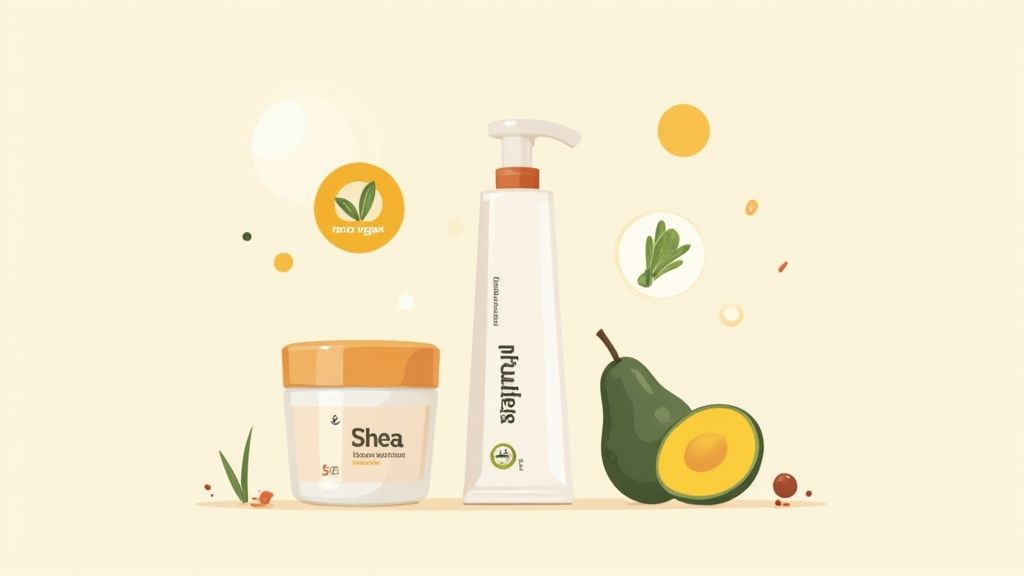
Axiology isn't just a brand with a "green" collection; their whole mission is about cutting out waste and making products ethically. Think of this as a handy model you can use to size up other brands you come across.
Pillar 1: Ethical Sourcing and Formulation
Right from the start, Axiology has focused on ingredients that are as good for your skin as they are for the planet. The brand is 100% vegan and cruelty-free, with certifications from both PETA and Leaping Bunny. That's your guarantee that no animal testing is happening, period—not by them, not by their suppliers.
Their formulas are refreshingly simple, built around just 10 core ingredients. We're talking ethically sourced shea butter, nourishing avocado oil, and antioxidant-rich moringa oil. By keeping the list short and sweet, they skip the unnecessary fillers and potential irritants. This minimalist vibe also means a smaller agricultural and processing footprint for every product.
Pillar 2: Responsible Packaging Choices
Packaging is where Axiology really walks the walk, showing everyone how to fight the good fight against plastic waste. Their most famous product, the "Balmies," are completely zero-waste. Genius, right? These multi-use crayons for lips, cheeks, and eyes come wrapped in paper and live in a tiny, recyclable carrying case made from upcycled stuff.
Axiology gets it: a product isn't truly sustainable if its container is destined for a landfill. They’re tackling the industry’s mind-boggling 120 billion units of annual packaging waste by designing it out from the get-go.
And for products that need a more traditional tube? They never stop looking for better options. They’ve made huge progress here, and you can read all about how Axiology tubes are now made out of PCR plastic. This switch is a big deal because it cuts way down on the need for new plastic, giving existing materials another go-around.
Pillar 3: Clean Manufacturing and Supply Chain
Axiology is all-in on ethical production, making sure their products are made in the USA. This lets them keep a close eye on labor practices and slashes the carbon emissions that come from shipping things halfway around the world.
Keeping operations local means they can be sure their manufacturing partners are playing by the rules—both for quality and ethics. This transparency runs through their whole supply chain, giving you peace of mind that your purchase supports fair labor and responsible methods.
Pillar 4: Verifiable Transparency
Axiology doesn’t just make claims; they back them up with clear info and legit, third-party certifications. You'll see their Leaping Bunny and PETA cruelty-free logos right on their website, so there's no guessing game.
They’re also refreshingly honest about their journey, including the bumps in the road. This kind of real talk builds a ton of trust, especially for conscious consumers who are just so over vague marketing-speak. They don’t just say they’re ethical; they show you the receipts.
Pillar 5: End-of-Life Responsibility
The brand’s commitment doesn't end when you've used up the product. The paper-wrapped Balmies are designed to disappear without a trace. The boxes they ship in are made from 100% recycled paper from a local Bali-based business, which actually helps clean up the island’s waste.
For any packaging that isn't compostable, Axiology gives clear instructions on how to recycle it properly. This focus on what happens at the very end shows they get the big picture of sustainability. It's about closing the loop and setting an example we wish the whole beauty industry would follow.
Alright, you’ve got the intel. Now you’re ready to actually make a difference with your wallet.
Switching up your habits can feel like a massive undertaking, but here's the secret: becoming a conscious beauty shopper doesn’t mean you have to trash your entire makeup bag overnight. The goal is progress, not some impossible standard of instant perfection.
Think of it like this: it’s a journey. You can start with simple, surprisingly powerful steps that build your confidence and lead to real, lasting change. A great first move? Focus on swapping just one product at a time. When your go-to moisturizer is empty, that’s your chance to find a more sustainable replacement. Easy.
Making Your First Sustainable Swap
To keep from getting overwhelmed, just zero in on what matters most to you. Are you super passionate about ditching plastic? Make it a mission to find brands that offer refillable goodies or plastic-free packaging. This focused approach makes the whole process feel way more manageable and, honestly, more fun.
Another pro tip is to fall in love with multi-use products. A single color stick that works on your lips, cheeks, and eyes doesn’t just simplify your routine—it slashes your packaging waste. It's a total win for you and the planet.
Just remember, every small, thoughtful choice you make adds up to a much larger, positive impact. You don’t need a PhD in sustainability to start making better choices today.
Your Actionable Checklist for Conscious Shopping
Once you get the hang of it, you can start layering in more checks before you buy. Keep this simple guide in your back pocket the next time you’re eyeing new products from sustainable cosmetics brands.
- Scan for Certifications: Make it a habit to look for those little logos from trusted third parties like Leaping Bunny, B Corp, or Fair Trade. Think of them as your cheat sheet for verifying a brand’s claims.
- Prioritize Packaging: Before you get attached to a product, flip it over and check out the container. Is it made from recycled materials? Is it refillable or at least easy to recycle? This one habit alone can seriously shrink your environmental footprint.
- Question Vague Claims: If a product is just slapped with a generic label like "eco-friendly" or "natural" with zero proof, get a little skeptical. Dig for the specific details that actually back up the marketing fluff.
This mindset can go way beyond your makeup bag, too. If you want to really embrace conscious consumerism, it helps to look at the bigger picture. After you’ve cleaned up your beauty routine, you can explore a comprehensive guide to sustainable fashion for women. By applying these same principles across different parts of your life, you build a genuinely sustainable lifestyle, one choice at a time.
Frequently Asked Questions
Diving into the world of sustainable beauty can feel a little complicated. Totally normal. Let's clear up a few of the most common questions people ask.
Are Sustainable Cosmetics Always More Expensive?
It’s a common myth that going sustainable automatically means spending more, but that’s not really the whole story. Yes, some products might have a higher price tag upfront. That usually reflects better ingredients that are sourced ethically and made with care.
But think about the long-term value. A super-concentrated solid serum is going to last way longer than a liquid one that's mostly water. Brands with refill programs save you money (and packaging) on re-buys. And multi-use products, like a crayon for your lips and cheeks, mean you're buying fewer things overall. These smarter purchases often end up saving you cash in the long run.
What Is the Easiest Way to Start Making Sustainable Choices?
Feeling a bit overwhelmed? The simplest and most powerful place to start is with packaging. It’s a huge deal. The beauty industry pumps out over 120 billion units of packaging every year, and a heartbreaking amount of that plastic lands in our oceans and landfills.
By focusing on packaging first, you’re tackling one of the industry's biggest messes head-on.
Look for brands that are doing things differently:
- Refillable options are a game-changer. You buy the cool container once and just get refills.
- Compostable or biodegradable materials that break down and return to the earth.
- Plastic-free packaging is the gold standard. Think aluminum, glass, or cool new paper-based stuff.
Making just this one switch is a massive step forward, and you don't have to change your entire routine overnight.
How Can I Trust a Brand's Cruelty-Free Claim?
A brand slapping a "cruelty-free" sticker on its bottle doesn't mean much, because that term isn't really regulated. The only way to be sure is to look for an official, third-party certification from an organization that does the homework for you.
Think of a third-party certification like an independent auditor. They dig into a brand’s entire supply chain to verify their claims aren't just marketing fluff. It's proof backed by a tough, unbiased process.
Keep an eye out for these logos on the packaging or website. They're your best bet for knowing that no animals were harmed at any point.
- Leaping Bunny: This one is known for being super strict. They check every single level of the supply chain.
- PETA's Beauty Without Bunnies: Another big, globally trusted program that certifies brands are cruelty-free (and sometimes vegan, too).
Relying on these seals takes the guesswork out of it. You can feel confident your money is going to brands that are genuinely walking the walk on animal welfare.
Ready to try makeup that's as kind to the planet as it is to your skin? Check out Axiology's collection of zero-waste, vegan, and cruelty-free beauty at axiologybeauty.com.