Finding the right makeup when you have sensitive skin can feel like a full-time job. One wrong move and you’re dealing with redness, itching, or a fresh breakout. This is exactly why so many people are turning to vegan makeup for sensitive skin. It isn't just about ethics; it’s a smart, practical way to get a calm, happy complexion.
Think of it as a simplified, calming diet for your face. When you focus on gentle, plant-based formulas, you cut way back on the risk of flare-ups.
So, What's the Deal with Vegan Makeup and Sensitive Skin?
At its heart, vegan makeup is simply makeup made without any animal-derived ingredients or byproducts. This is a huge first step for anyone with reactive skin, since a lot of those animal-based ingredients are known troublemakers. (If you want to go deeper, we have a whole guide on what is vegan makeup).
This commitment usually means that brands are just more mindful about every single ingredient that goes into their products. And that's a big win for sensitive skin.
Why Vegan and Skin-Friendly Go Hand-in-Hand
The magic is really in what’s left out. Traditional makeup is often packed with ingredients that can be pretty harsh on delicate skin.
- Lanolin: This comes from sheep's wool. While it's meant to be moisturizing, it can clog pores and is a surprisingly common allergen.
- Beeswax: It's natural, sure, but it can also be heavy and sit on top of the skin, potentially trapping sweat and bacteria. Not ideal.
- Carmine: This is a red pigment made from crushed insects (yep, really). It’s a well-known trigger for allergic reactions and contact dermatitis.
By ditching these, vegan formulas naturally pivot to gentler, plant-based options like candelilla wax, shea butter, and fruit pigments. The result is a product that’s just inherently more compatible with skin that freaks out easily.
The synergy between vegan principles and sensitive skincare is powerful. When you remove potential animal-derived irritants, you're often left with a cleaner, more straightforward formula that allows soothing botanicals and nourishing oils to take center stage.
To make it even clearer, let's break down the core differences.
Vegan vs. Traditional Makeup for Sensitive Skin
This table gives a quick snapshot of why vegan makeup often has an edge for those of us with reactive skin.
| Feature | Vegan Makeup | Traditional Makeup |
|---|---|---|
| Key Irritants | Avoids common animal-derived allergens like lanolin, carmine, and beeswax. | May contain animal-derived ingredients known to cause irritation or allergic reactions. |
| Formulation Focus | Tends to prioritize plant-based, natural, and often simpler ingredient lists. | Formulas can be complex and may include synthetic fillers and known irritants. |
| Ingredient Sourcing | Emphasis on ethically and consciously sourced plant and mineral ingredients. | Sourcing can be less transparent and may include animal byproducts. |
| Skin Compatibility | Generally higher compatibility due to the absence of common animal-based triggers. | Varies widely; some products can be harsh or occlusive for sensitive types. |
Ultimately, choosing vegan products means you're not just making an ethical choice, but a skin-savvy one, too.
This Isn't a Niche Trend—It's a Movement
The move toward vegan cosmetics is growing fast, and for good reason. The global vegan cosmetics market is already valued at an estimated USD 18.2 billion and is only expected to get bigger.
For those of us with sensitive skin, this is amazing news. More demand means more innovation in gentle, plant-based formulas that are way less likely to cause irritation or breakouts than their conventional counterparts.
At the end of the day, choosing vegan makeup for your sensitive skin is about taking back control. It lets you pick products that feel good—ethically and physically—turning your daily routine into a calming ritual instead of a source of stress.
Decoding Ingredient Labels for Calm Skin
Venturing into vegan makeup for sensitive skin is a bit like becoming an ingredient detective. At first, a product label can look like a secret code. But once you know what to look for—and what to run from—it’s the most powerful tool you have for keeping your skin happy.
Think of it as your personal cheat sheet for spotting troublemakers and identifying the skin-loving heroes.
This simple idea sums it up: choosing vegan ingredients leads to gentle formulas, which ultimately results in calm, soothed skin.
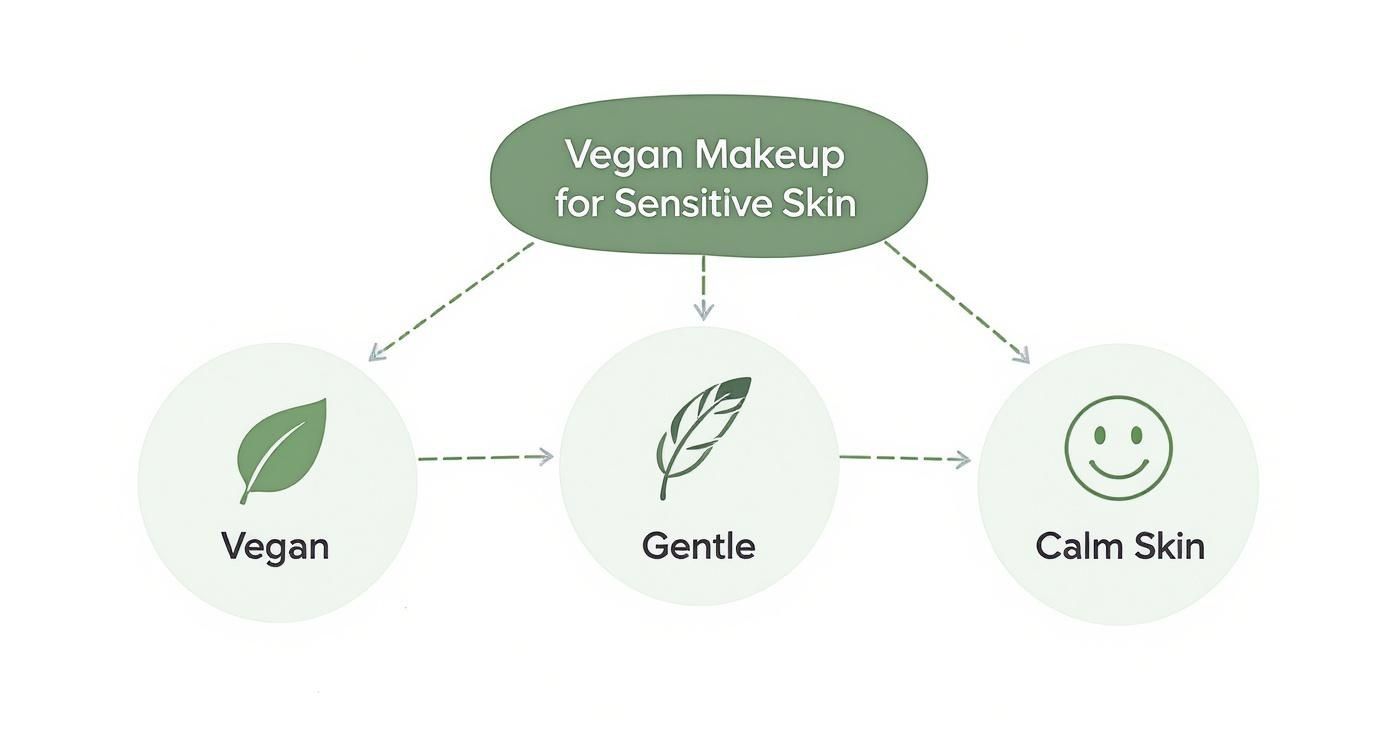
They’re all connected. One step naturally flows into the next, creating a smarter, kinder approach to beauty for reactive skin.
The Red Flags to Avoid on Labels
Some ingredients are just notorious for causing redness, itching, and breakouts, especially if your skin is on the sensitive side. When you spot these on a label, it’s usually a good sign to put the product back on the shelf.
These are the usual suspects:
- Synthetic Fragrances: Often listed as just "fragrance" or "parfum," this innocent-looking term can hide hundreds of chemicals. It's one of the top causes of allergic reactions and contact dermatitis in cosmetics.
- Drying Alcohols: Not all alcohols are created equal. But the simple ones, like SD alcohol, denatured alcohol, or isopropyl alcohol, can strip your skin’s protective moisture barrier, leading to dryness and irritation.
- Parabens: You'll see these listed as methylparaben or propylparaben. They’re preservatives used to stop mold and bacteria from growing, but they're also frequently linked to skin irritation.
- Sulfates (SLS/SLES): Sodium lauryl sulfate and sodium laureth sulfate are harsh detergents that create that foamy lather. While you see them more in cleansers, they can sneak into liquid foundations and be incredibly stripping.
Learning to sidestep these ingredients is a huge part of choosing makeup that actually supports your skin. For a deeper dive, our guide on hypoallergenic makeup for sensitive skin has even more tips.
To make things easier, here’s a quick comparison of common irritants and their gentle, plant-based counterparts.
Common Irritants vs Soothing Vegan Alternatives
| Common Irritant | Potential Skin Reaction | Soothing Vegan Alternative |
|---|---|---|
| Synthetic Fragrance | Redness, itching, rashes | Essential Oils (used sparingly), Vanilla Planifolia Fruit Extract |
| Parabens | Allergies, irritation | Vitamin E (Tocopherol), Grapefruit Seed Extract |
| Drying Alcohols | Dryness, tightness, barrier damage | Cetearyl Alcohol (a fatty, non-drying alcohol), Glycerin |
| Lanolin (from sheep's wool) | Allergic reactions, clogged pores | Shea Butter, Kokum Butter, Avocado Butter |
| Carmine (crushed beetles) | Contact dermatitis, irritation | Iron Oxides, Fruit and Vegetable Pigments |
| Beeswax | Clogged pores for some, not vegan | Candelilla Wax, Soy Wax, Avocado Wax |
Swapping out these potential triggers for nourishing alternatives is what makes all the difference for sensitive complexions.
The Soothing Ingredients to Look For
Just as important as knowing what to avoid is knowing what to look for. The best vegan makeup for sensitive skin is loaded with gentle, plant-derived ingredients that actively soothe and nourish. These are the green flags you want to see.
They work to calm inflammation, deliver real hydration, and support a healthy skin barrier—all while you're wearing them.
When you prioritize products formulated with soothing botanicals, you're not just covering up imperfections; you're actively contributing to your skin's health with every application. It's a shift from makeup that merely tolerates your skin to makeup that cares for it.
Your Skin-Friendly Ingredient Checklist
Here are a few of the most beneficial ingredients to keep an eye out for in your vegan makeup:
- Jojoba Oil: This stuff is amazing. It closely mimics our skin’s natural sebum, so it moisturizes without feeling heavy or clogging pores.
- Shea Butter: Packed with fatty acids and vitamins, shea butter is a superstar moisturizer that helps heal and protect the skin barrier.
- Chamomile Extract (Bisabolol): A classic for a reason. Chamomile is known for its powerful anti-inflammatory properties that help reduce redness and calm angry skin.
- Vitamin E (Tocopherol): A great antioxidant that helps protect skin from environmental stress while also providing moisturizing and healing benefits.
- Avocado Oil: Another nutrient-rich oil that’s perfect for nourishing dry, compromised skin and strengthening its natural defenses.
Once you get familiar with these friends and foes, you can scan any label with confidence. Shopping for makeup transforms from a game of chance into a deliberate act of self-care.
How to Safely Test and Apply New Makeup
Bringing a new product home can feel like a gamble when you have sensitive skin. I get it. That initial pop of excitement can fizzle into anxiety pretty fast. Will this be the one, or will it be another flare-up in a tube? You can take the guesswork out of it with a simple, careful approach to testing and application. It’s about turning your beauty routine into a calming ritual, not a source of stress.

Think of it as becoming your own skin's quality control expert. By doing a small-scale trial run before you go all-in with a full-face application, you can catch a problem before it has a chance to ruin your day.
The Art of Patch Testing New Products
Patch testing is a non-negotiable step if you have reactive skin, even when you're using vegan makeup for sensitive skin. Just because a product is designed to be gentle doesn't mean it's impossible for your specific skin to dislike an ingredient. This simple test is your best defense against a widespread reaction.
Here’s how to do it right:
-
Choose a Discreet Spot: Dab a small amount of the new product onto a clean, dry patch of skin. The best spots are where a reaction won't be super obvious—think the skin behind your ear, your inner elbow, or along your jawline.
-
Wait and Observe: Now, you wait. Leave the product on for at least 24 to 48 hours, as long as the product instructions don't tell you to wash it off sooner. Keep the area dry and just pay attention to how your skin feels.
-
Check for Reactions: Look for any signs of irritation. This could be redness, itching, swelling, tiny bumps, or any sensation that just feels off for your skin. If you notice any of this, wash the product off immediately and don't use it on your face. It's a no-go.
If your skin is still calm and happy after the test period? You can feel way more confident moving forward with a full application.
Gentle Application Tips for Happy Skin
How you apply your makeup matters just as much as the products you choose. An aggressive application can physically irritate sensitive skin, causing redness and stress even with the most soothing formulas. A gentle touch makes all the difference.
Here’s how to apply makeup without upsetting your skin:
-
Always Use Clean Tools: This is a big one. Makeup brushes, sponges, and even your fingers can be breeding grounds for bacteria that lead to breakouts and irritation. Wash your tools regularly with a gentle soap and let them air dry completely.
-
Adopt a ‘Less Is More’ Philosophy: Start with a tiny bit of product and build up coverage only where you need it. Piling on thick layers of makeup can suffocate your skin and seriously up the odds of a reaction.
-
Pat, Don’t Rub: Use a soft tapping or stippling motion to apply foundation and concealer. Rubbing or dragging the product across your skin is a recipe for irritation. This technique is much gentler and, bonus, gives a more natural, seamless finish.
The goal is to work with your skin, not against it. A gentle approach respects your skin's delicate barrier, ensuring that your makeup enhances your complexion without causing distress.
Finally, don't forget about removal. Harsh scrubbing can undo all your hard work. Use a gentle, oil-based cleanser or micellar water on a soft cloth to melt away makeup without stripping your skin. Follow that up with a soothing cleanser to make sure every last trace is gone, leaving your skin clean, calm, and ready to rest.
Reading Between the Lines: A Guide to Labels and Claims
Ever feel like you need a translator to get through the beauty aisle? Labels scream words like "clean," "natural," and "hypoallergenic," but what does any of it actually mean for your sensitive skin?
Here’s the tough truth: a lot of these terms are just unregulated marketing fluff. Brands can define them however they want, which doesn't give you much to go on.
This is where official certifications become your best friend. Unlike vague marketing lingo, certifications are handed out by independent organizations that hold brands to a very high standard. They’re your shortcut to finding genuine vegan makeup for sensitive skin without having to do all the guesswork. Think of them as a seal of approval that proves a product walks the walk.
Your Cheat Sheet to Common Logos
When you're scanning a product, a few key logos are the gold standard in the vegan and cruelty-free world. Knowing what they mean is key, because they aren't interchangeable.
Here are the big ones to watch for:
- Certified Vegan: This logo, usually from groups like The Vegan Society or Vegan Action, is your guarantee that a product has absolutely zero animal-derived ingredients or byproducts. No hidden beeswax, lanolin, or carmine that could be bugging your skin.
- Leaping Bunny Certified: This is the international gold standard for all things cruelty-free. A Leaping Bunny logo means that no animal testing happened at any point in the product’s creation, from the raw ingredients to the final tube of lipstick.
- PETA's Beauty Without Bunnies: PETA also certifies products as cruelty-free. They even have two versions of their logo: one that just means cruelty-free, and another that clearly says "cruelty-free and vegan"—a super helpful all-in-one signal.
It's really important to remember that "cruelty-free" and "vegan" aren't the same thing. A product can be made without animal testing but still contain ingredients like honey or milk. For makeup that’s truly ethical and kind to sensitive skin, you’ll want to look for both certifications.
Getting Past the Buzzwords
So, what about all those other claims you see everywhere? While they aren’t official stamps of approval, it’s still helpful to know what they usually mean so you can be a smarter shopper.
| Marketing Term | What It Often Implies | The Catch |
|---|---|---|
| "Clean Beauty" | The product is made without certain controversial ingredients like parabens, sulfates, or phthalates. | There’s no official definition. The "no-no" list changes completely from one brand to the next. |
| "Natural" | The ingredients come mostly from nature, like plants and minerals. | It doesn't mean a product is 100% natural, and it definitely doesn't mean it’s irritant-free. Poison ivy is natural, too! |
| "Hypoallergenic" | The brand tried to formulate the product to minimize the risk of allergic reactions. | The FDA doesn't regulate this term. It doesn't mean it's allergy-proof, just that it avoids some common triggers. |
These terms can be a decent starting point, but they should never, ever replace a good look at the ingredient list and the official certification logos.
Your best bet? Trust the certifications first, then scan the ingredient list for yourself. This two-step check empowers you to make choices based on facts, not just clever marketing.
The good news is that shoppers are demanding more transparency, and the beauty industry is listening. The vegan beauty market was valued at around USD 3.5 billion and is expected to hit USD 8.9 billion by 2032, all thanks to consumers like you.
To get these messages across, it's critical for brands to get good at crafting high-converting product descriptions that are both honest and compelling. By learning to spot the trustworthy symbols and see past the hype, you can confidently build a makeup bag that feels truly good for you.
Building Your Minimalist Vegan Makeup Kit
If you have sensitive skin, you know the deal: less is almost always more. Piling on a dozen different products can be a fast track to redness and irritation. The answer? Go minimalist. Curate a small, intentional kit of gentle, effective, and (bonus points!) multi-purpose vegan makeup that actually lets your skin breathe.
Think of it like building a "capsule wardrobe" for your face. Instead of buying into every fleeting trend, you focus on a few high-quality, versatile essentials that play nicely with your skin. This approach not only limits your daily exposure to potential triggers but also saves a ton of time, money, and precious bathroom counter space.
Start with a Skin-Friendly Foundation
The heart of your minimalist kit should be a breathable foundation or a tinted moisturizer. For skin that’s easily upset, mineral-based powders or lightweight cream formulas are often a much safer bet than heavy liquids that can clog pores. They give you just enough coverage without feeling like you’re wearing a mask.
Look for a base that is:
- Non-comedogenic: This is just a fancy way of saying it’s formulated not to block your pores—a must for preventing breakouts.
- Fragrance-free: As we’ve talked about, synthetic fragrance is one of the biggest culprits behind skin reactions. No, thank you.
- Packed with soothing ingredients: A base that includes skin-calmers like jojoba oil or vitamin E is doing double duty, making you look good while it nourishes.
This focus on good-for-you ingredients is where vegan makeup really shines. For sensitive types, vegan products often win because they rely on natural, plant-derived ingredients that hydrate and soothe without a bunch of harsh chemicals. One vegan brand, for example, saw monthly sales jump past 8,000 units right after launching, with customers raving about its vibrant color and moisturizing feel—a dream combo for reactive skin.
Embrace Multi-Purpose Products
Here’s the real secret to a minimalist kit: finding products that do more than one job. This is where you can get creative and seriously simplify your routine. A single product can easily replace two or three others, which means less application time and fewer ingredients for your skin to deal with.
A minimalist routine isn’t about deprivation; it’s about making smarter, more intentional choices. By selecting a few versatile heroes, you achieve a polished look with fewer steps and less stress on your skin.
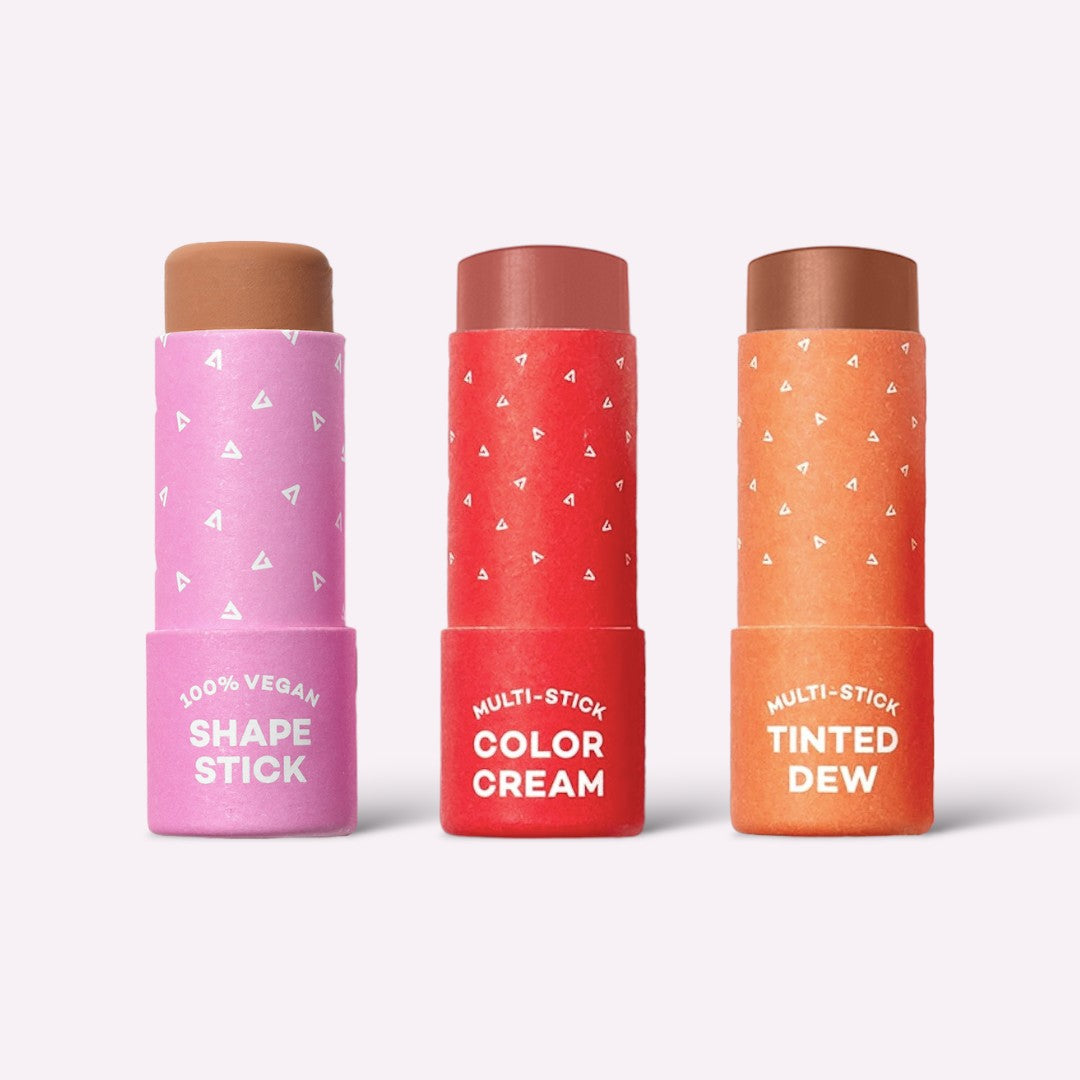
A creamy, hydrating tinted balm, for instance, is a minimalist’s best friend. You can use it for a natural flush on your cheeks, a sheer wash of color on your lips, and even a subtle tint on your eyelids. Axiology's Balmie sets are a perfect example—they offer tons of mix-and-match colors in zero-waste packaging. We love to see it.
Curating Your Essential Vegan Kit
Ready to build your own? A simple, effective kit for vegan makeup for sensitive skin can be built around just five core items. This streamlined setup has you covered without overwhelming your skin.
- A Breathable Base: Go for either a mineral powder foundation or a lightweight tinted moisturizer.
- A Creamy Concealer: Perfect for touching up spots or brightening under-eyes without looking cakey.
- A Multi-Use Color Stick: Your go-to for lips, cheeks, and even eyes. Cream formulas are generally more hydrating than powders, so start there.
- A Gentle Mascara: Look for ophthalmologist-tested formulas that are free from common irritants.
- A Versatile Brow Gel or Pencil: To frame your face and pull your whole look together with zero fuss.
With these five staples, you can create a gorgeous, natural look that feels comfortable all day long. For more ideas, check out our guide to the five products every beauty minimalist needs. It just goes to show you don’t need a cluttered makeup bag to feel confident and put-together.
A Few Common Questions We Get
Switching to vegan makeup—especially when you have sensitive skin—can feel like navigating a whole new world. It’s totally normal to have questions! Getting clear, simple answers is the best way to feel good about what you're putting on your face.
Let's clear up some of the most common hurdles and confusion. Think of this as your personal cheat sheet for gentle, plant-based beauty.
Is Cruelty-Free the Same as Vegan Makeup?
Nope, and this is a super important one to get right.
"Cruelty-free" means a product and its ingredients weren't tested on animals. That's it. But, it can still contain things like beeswax, lanolin (from sheep's wool), or carmine (a red pigment from crushed beetles), which can sometimes be irritating.
"Vegan" on the other hand, guarantees the product contains zero animal ingredients or byproducts. For makeup that’s truly kind to animals and your sensitive skin, you really want to look for products that are both vegan and cruelty-free.
Can I Still Get a Reaction to Vegan Makeup?
Yes, you totally can. Just because something is “natural” or plant-based doesn't automatically mean it's "allergy-proof." Your skin is unique!
Some people have sensitivities to certain plant-derived ingredients, like specific essential oils or botanical extracts. It all comes down to your personal triggers.
This is exactly why patch testing every new product is a non-negotiable step—even when it's labeled vegan and made for sensitive skin. Always give the full ingredient list a quick scan for anything you know bothers your skin.
Where Can I Find Good Vegan Makeup Brands?
Finding great vegan makeup for sensitive skin is easier now than ever before. You can find some amazing options at big retailers like Sephora and Ulta, usually in their "Clean Beauty" sections. There are also fantastic online boutiques like Credo Beauty and The Detox Market that specialize in curating high-quality, conscious brands.
When you're shopping, just use those label-reading skills we talked about. Look for brands that are upfront about their formulas, have official certifications, and specifically call out that their products are a good fit for sensitive skin.
Ready to build a routine that truly loves your skin? Axiology creates 100% vegan, cruelty-free, and plastic-free makeup with minimal ingredients, perfect for sensitive complexions. Discover our multi-use Balmie sets and mushroom-infused Fungdation at https://www.axiologybeauty.com.