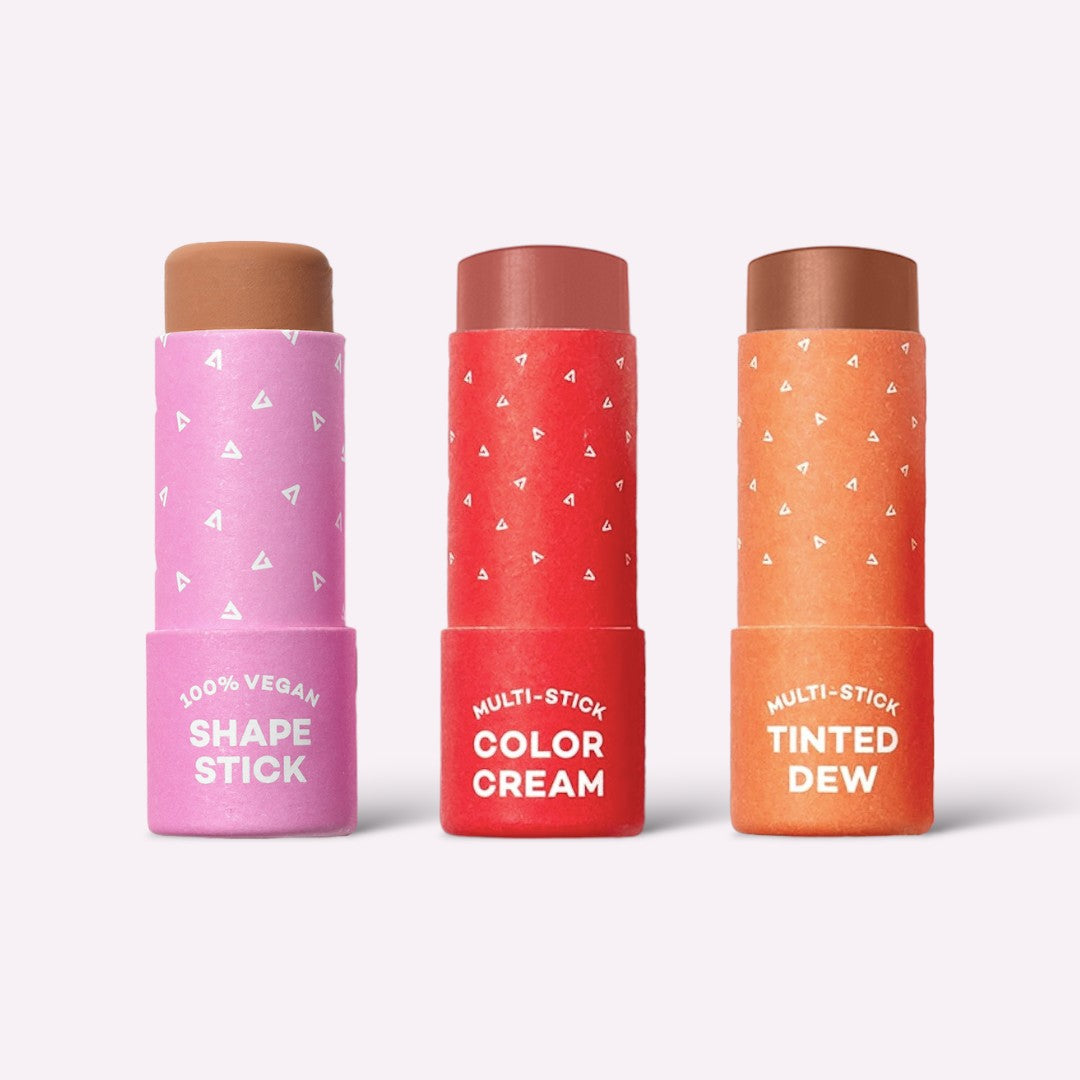
Think of foundation as the starting point for your makeup routine—the ultimate canvas for your skin. Its main job is to create a smooth, even-toned surface that minimizes things like redness or blemishes, setting the stage for everything else.
The True Purpose of Foundation Makeup

It’s a lot like the primer you’d use before painting a wall. A painter wouldn't just slap color over scuffs and uneven spots, right? They lay down a uniform base first to make sure the final color looks flawless and true. Foundation does the exact same thing for your face.
By depositing pigment, it helps neutralize discoloration and creates a more consistent skin tone from forehead to chin. It’s this simple function that has made it a non-negotiable step in so many makeup bags worldwide. In fact, the global face makeup market has ballooned to USD 40.0 billion, largely thanks to foundation’s incredible versatility.
Foundation's Core Functions at a Glance
So, what are the primary jobs foundation is hired to do? Here’s a quick breakdown.
| Function | What It Achieves | Best For |
|---|---|---|
| Even Skin Tone | Neutralizes redness, dark spots, and discoloration for a uniform look. | Anyone with uneven pigmentation or general blotchiness. |
| Smooth Texture | Creates a flawless-looking surface by minimizing the appearance of pores and fine lines. | Skin that has textural irregularities or visible pores. |
| Prime the Canvas | Provides a grippy base for other makeup (blush, bronzer) to adhere to and last longer. | Makeup looks that need to stay put all day without fading. |
This table just scratches the surface, but it covers the core reasons why foundation is such a staple.
More Than Just a Cover-Up
Beyond just masking imperfections, foundation serves a few other key purposes. It gives other products like blush, bronzer, and eyeshadow something to cling to, helping them apply more smoothly and last way longer. Without that base, you might find your powders looking patchy or fading by lunchtime.
And foundation has evolved—big time. The line between makeup and skincare is blurrier than ever, with many modern formulas packed with ingredients that actually care for your skin while you wear them.
Foundation has transformed from a simple cosmetic into a multi-functional product. It's not just about looking good for a few hours; it’s about creating a healthier-looking complexion over time.
This shift means you can now find foundations designed to hydrate thirsty skin, keep oil in check, or even add a layer of sun protection.
Just keep in mind, foundation is different from its lighter-coverage cousins, BB and CC creams. If you’re curious about those, you can learn more about the difference between BB and CC cream in our detailed guide. Ultimately, foundation is the strategic first step for building any makeup look, whether you’re going for barely-there natural or full-on glam.
Finding Your Perfect Coverage and Finish
Alright, so you get what foundation is supposed to do. Now comes the fun part: decoding what all those words on the bottle—like "coverage" and "finish"—actually mean for your face.
Getting these two things right is the secret to a foundation you’ll actually love wearing. It can feel like a lot to figure out, but let’s make it simple.
So, What's Coverage?
Think of coverage like paint on a canvas. It’s all about opacity—how much of your natural skin you want to peek through. This is where you get to decide if you're going for a barely-there vibe or a completely flawless look.
- Sheer Coverage: This is your "no-makeup" makeup look. It’s like a super thin watercolor wash that won't totally hide things like freckles or dark spots, but it will gently even out your skin tone. The result? You, but fresher.
- Medium Coverage: The sweet spot for most people. One layer gives you a natural, polished look. If you want a little more help covering redness or a few blemishes, you can build it up without it feeling cakey. Super versatile.
- Full Coverage: This is your Instagram filter in a bottle. Think of it like a rich oil paint that creates a totally uniform, photo-ready canvas. It’s designed to cover everything, making it a go-to for big events or anyone who wants that perfectly even complexion.
And What About Finish?
If coverage is about pigment, finish is all about the texture and glow—or lack thereof. It’s how the foundation plays with light once it’s on your skin, and it totally sets the mood for your entire look.
Basically, the finish is all about how your foundation reflects light. A dewy finish bounces light everywhere for a gorgeous glow, while a matte finish absorbs it for that soft, velvety effect.
Here are the most common finishes you’ll see:
- Dewy/Radiant: This one mimics that healthy, just-moisturized skin look. It gives off a luminous glow that’s amazing for making dry or mature skin look plump and hydrated. Think morning-dew-on-a-petal vibes.
- Matte: Zero shine here. A matte finish gives you a smooth, soft-focus look that feels like velvet. It’s a rockstar at controlling oil and making pores look smaller, which is why people with oily or combination skin usually love it.
- Natural/Satin: This is the happy medium right between dewy and matte. It’s not shiny, but it’s not flat either. It just looks like really, really good skin.
Choosing the Right Foundation for Your Skin Type
Ever tried a foundation that looked amazing on a friend, only to have it turn into a greasy mess or a patchy nightmare on your own skin? You’re not alone. Using the wrong formula can totally sabotage your makeup look.
The secret is to pick a foundation that works with your skin's natural tendencies, not against them. Think of it like skincare—you wouldn't use a heavy cream on oily skin, right? The same logic applies here. Getting this one step right is the key to a seamless, beautiful finish that actually lasts.
Decoding Formulas For Your Skin
No matter your skin type, there's a foundation out there that's basically its soulmate. For oily or acne-prone skin, the game is all about shine control. An oil-free liquid or even a powder foundation with a matte finish will be your best friend, helping to soak up that excess oil so you stay fresh-faced all day.
On the flip side, dry skin is always thirsty for more moisture. You’ll want to look for creamy or serum-like foundations with a dewy, radiant finish. These are often packed with hydrating goodies like hyaluronic acid that give your skin a drink, preventing makeup from clinging to dry patches and leaving you with a plump, smooth canvas.
And for my combination skin friends, it’s a balancing act. You might find a satin-finish liquid works beautifully all over, or you could get strategic by using a mattifying formula on your T-zone and something more hydrating on your cheeks.
If your skin is sensitive, the makeup aisle can feel like a minefield. The goal is always a calm, happy complexion, which means gentle, non-irritating ingredients are an absolute must.
For sensitive skin, the ingredients list is your bible. Keep an eye out for labels like "non-comedogenic" (which means it won’t clog your pores) and "hypoallergenic." Mineral foundations or formulas with super clean, minimal ingredient lists are usually a safe bet. To help you out, we’ve put together a guide to the best natural foundation for sensitive skin.
Finding the right formula for your skin type is half the battle. This handy chart breaks it down so you can easily spot what will work best for you.
Foundation Finder For Your Skin Type
| Skin Type | Best Foundation Formula | Ideal Finish | Key Ingredients to Look For |
|---|---|---|---|
| Oily | Oil-free liquid, powder | Matte | Salicylic acid, clay |
| Dry | Cream, serum, hydrating liquid | Dewy, radiant | Hyaluronic acid, glycerin, oils |
| Combination | Liquid, stick | Satin, natural | Balanced formulas, antioxidants |
| Sensitive | Mineral, serum, clean liquid | Natural, satin | Zinc oxide, minimal ingredients |
Once you know what formulas play nice with your skin, you can start thinking about the look you're going for.
This little decision tree can help you figure out what kind of coverage will give you the finish you're dreaming of, whether that's barely-there or totally polished.

At the end of the day, knowing your skin and knowing the look you want are the two pieces of the puzzle you need to find your perfect foundation match.
How Modern Foundations Benefit Your Skin

Let's get one thing straight: foundation isn't just for covering things up anymore. The line between makeup and skincare has basically dissolved, giving us these incredible skincare-makeup hybrids that actually improve your skin while you're wearing them.
Think of it this way—your foundation now pulls a double shift. Its main job is still coverage, of course, but it's also moonlighting as your moisturizer, sun protector, and skin soother. Suddenly, your daily makeup routine becomes an extension of your skincare, delivering benefits that stick around long after you've washed your face at night.
A Shield Against Daily Stressors
One of the biggest game-changers has been adding sun protection right into the formula. We all know the stats—dermatologists agree that up to 90% of visible aging comes from the sun. Having SPF built into your foundation is such an easy, convenient way to add another layer of defense against those damaging rays.
But it’s not just about the sun. Many newer foundations are packed with ingredients that act like a protective barrier for your skin, shielding it from pollution and other environmental junk that can lead to premature aging. It's no wonder the cosmetic foundation market is set to hit USD 7.2 billion by 2032. Everyone wants products that do more. You can check out more info about this market's growth on dataintelo.com.
Choosing a foundation with skincare benefits is like hiring a personal bodyguard for your skin—it not only makes you look good in the moment but actively protects you for the future.
Nourishing Ingredients That Make a Difference
The real magic is in the ingredient list. We're not talking about fillers; we're talking about potent, active ingredients that give you real, noticeable benefits. Here are a few of the heroes you'll find in the mix:
- Hyaluronic Acid: This stuff is a moisture magnet. It can hold up to 1,000 times its weight in water, which helps plump up your skin and smooth out fine lines for a hydrated, dewy glow.
- Antioxidants: Think Vitamin C, Vitamin E, and green tea extract. They help fight off damage from pollution and UV light, protecting your skin and even brightening your complexion over time.
- Niacinamide: A true powerhouse. This ingredient helps make pores look smaller, keeps oil in check, and calms down redness. It’s a fantastic addition for pretty much every skin type.
When you choose a foundation with ingredients like these, you're not just covering your skin—you're actually caring for it.
Mastering a Flawless Foundation Application

Finding the perfect foundation is only half the battle. Knowing how to put it on is what really creates that seamless, second-skin finish we’re all after. The secret isn’t about caking it on, but in the prep work and the technique. A truly flawless look begins long before you even pick up the bottle.
Here’s a fact: great makeup starts with a great canvas. Before you even think about foundation, make sure your skin is clean and well-moisturized. Trying to apply foundation over dry, flaky skin will just call attention to texture. A hydrated base, on the other hand, lets the product glide on smoothly and melt right in.
Choosing Your Application Tool
Once your skin is prepped, it's time to pick your tool. Each one gives a totally different finish, so the right choice really depends on the look you’re going for. There’s no single "best" way—it's all about what you prefer.
- Fingers: Your fingertips are amazing for warming up the product, which helps it blend for a natural, melted-in finish. It's quick, easy, and gives you great control for sheer-to-medium coverage.
- Sponge: A damp makeup sponge is your best friend for an airbrushed effect. It presses foundation into the skin instead of just smearing it around, giving you even, buildable coverage that looks incredibly smooth. To nail the technique, you can learn how to apply foundation with a sponge for a streak-free result.
- Brush: Whether it’s a dense kabuki or a flat-top style, a foundation brush offers the most precision and control. Brushes are perfect for building coverage in specific spots without messing up the product underneath.
Pro Tips for a Seamless Finish
No matter which tool you use, a few simple tricks will take your application from good to great. These are the little things that help you avoid common mistakes like cakiness or harsh lines, making sure your foundation actually looks like real skin.
The golden rule of foundation is to always start with less than you think you need. It’s way easier to add another thin layer than it is to take away too much product.
Start by dotting a small amount of foundation in the center of your face—around your nose, on your forehead, and your chin. This is usually where redness and uneven tone hang out. From there, blend the product outwards toward your hairline and jawline. This method concentrates the coverage right where you need it most and lets it fade naturally at the edges.
And one last thing: remember to blend down your neck a little. This is the crucial final step that gets rid of that obvious makeup line along the jaw, creating a cohesive look that connects your face to the rest of your body. Simple, right?
We Get It, Foundation Can Be Confusing
Let's be real, navigating the world of foundation can feel like a pop quiz you didn't study for. From choosing the right shade online to figuring out why your application looks a little off, we've all been there. Let's clear up some of the most common questions so you can feel good about your glow.
Is Wearing Foundation Every Day Bad for My Skin?
Nope! This is one of those old-school beauty myths that just won't quit. Think of it this way: years ago, foundations were thick, heavy, and could definitely be problematic. But today's formulas are a whole different ball game.
Modern foundations, especially clean ones packed with skin-loving ingredients, are designed to let your skin breathe. They're often non-comedogenic, which is just a fancy way of saying they won't clog your pores. The real secret weapon for healthy skin isn't skipping foundation, it's what you do before and after. Good skin prep and, most importantly, thoroughly washing your face every single night are the real game-changers.
How Can I Possibly Find My Foundation Shade Online?
I know, I know—it feels like a shot in the dark. But you can actually get pretty good at it with a little strategy. First thing's first: you need to figure out your skin's undertone. Are you cool (your skin has hints of pink or red), warm (more yellow or golden), or neutral (a happy medium of both)?
Once you've got that down, you have a few tools in your belt:
- Use the tech: So many brands now have virtual try-on tools or really smart shade-finder quizzes. They're surprisingly accurate.
- Search for real people: This is my favorite trick. Hop on social media or your favorite beauty blogs and search for the foundation and shade you're eyeing. Seeing it on someone with a similar skin tone is way more helpful than a sterile product photo. The way brands get these products into the hands of real people is a whole world in itself, which you can learn more about through influencer marketing for beauty brands.
Foundation vs. Concealer: What's the Deal?
It's simple, really. Foundation is your base layer—it's there to even out your overall skin tone and create a smooth canvas. Concealer is your specialist. It's more pigmented and used for targeted backup, hiding things like dark circles or a surprise blemish that your foundation didn't quite cover.
Ugh, Why Does My Foundation Look Cakey?
This is probably the #1 foundation frustration, and it almost always comes down to two things: thirsty skin or a heavy hand. If your skin is dehydrated, foundation has nothing smooth to glide onto and will grab onto any dry bits, creating that dreaded patchy, cakey look. Always, always moisturize first.
The other culprit? Using way too much product. Seriously, start with a tiny amount—less than you think you need—and build it up slowly only where you need more coverage. A thick, all-over layer is a one-way ticket to cakey-town.
Ready to find a foundation that doesn't just cover, but actually cares for your skin? Axiology's Fungdation is a skin-renewing formula powered by reishi and snow mushrooms, offering clean, vegan, and buildable coverage. Discover your shade at Axiologybeauty.com.