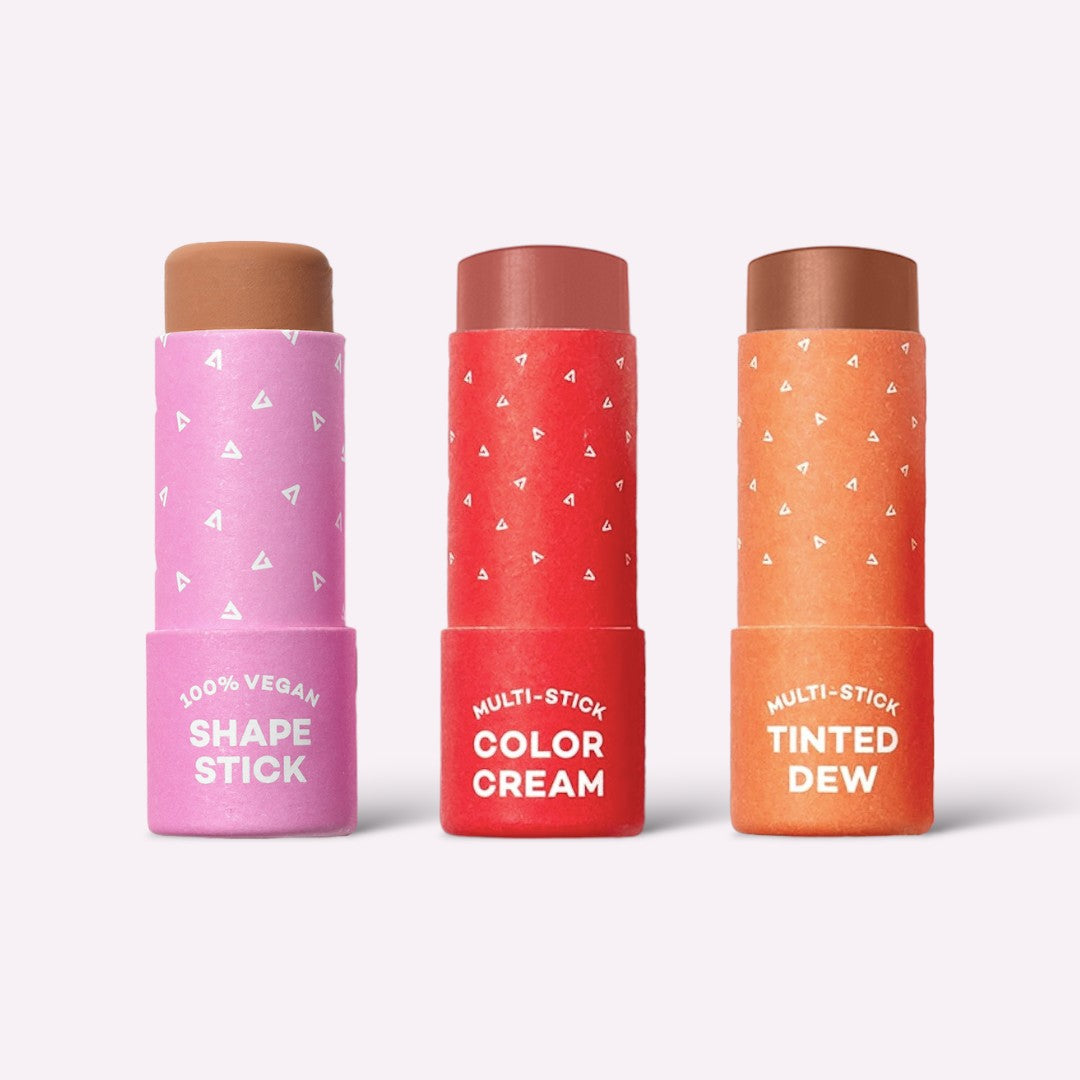
When you hear "sustainable packaging," you might picture a plain recycled cardboard box. That's part of it, but real sustainable packaging is so much more—it's an entire system designed to be gentle on the planet from start to finish. Think of it as a loop, not a one-way street.
Understanding Sustainable Packaging Beyond The Buzzwords
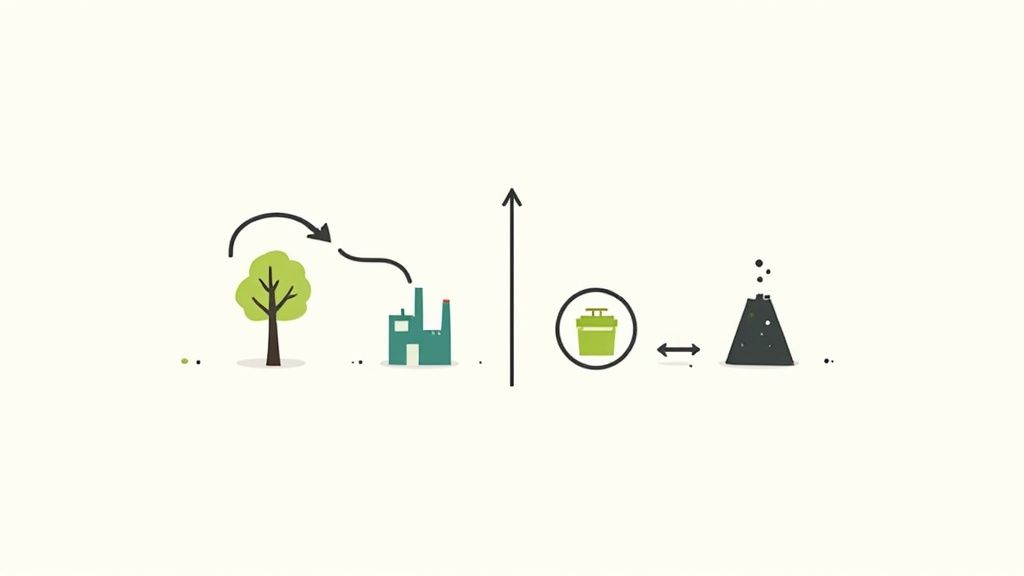
A lot of brands love to talk about "going green," but true sustainability runs way deeper than marketing slogans. It’s a total rethink of the old way of doing things: take, make, and toss. That linear model is what got us here, with landfills overflowing and our planet’s resources stretched thin.
Sustainable packaging flips that script. It’s built on the idea of a circular economy, where everything is designed from day one to stay in the system. To get it right, a brand has to balance three key things:
- Environmental Health: The packaging has to be safe for people and the planet. That means no toxic materials and a minimal carbon footprint.
- Economic Viability: It has to be affordable and actually protect the product. A company can't be sustainable if it goes out of business, right?
- Social Responsibility: Everyone involved in making the packaging, from the people sourcing the raw materials to the factory workers, must be treated ethically.
The Evolution Of The 3 Rs
You’ve probably heard of the "3 Rs" your whole life: Reduce, Reuse, and Recycle. They’re a great starting point, but the modern sustainability movement has expanded on that foundation. It's not just about what you do with a box after you get it; it’s about smart decisions made long before the product ever ships.
This new mindset adds concepts like ‘Rethink’ and ‘Recover.’ It pushes brands to ask tough questions. Is this packaging even necessary? Can we make it simpler? What happens to it at the very end of its life? The goal isn't just to manage waste—it's to design it out of existence from the get-go. To see this in action, check out Skout Organic's comprehensive sustainability overview, which shows how a brand can really commit.
To help break it down, here’s a look at the core principles that guide truly sustainable packaging choices.
The Core Principles of Sustainable Packaging
| Principle | What It Means in Practice | Example |
|---|---|---|
| Reduce & Simplify | Use the absolute minimum amount of material needed. This often means eliminating unnecessary layers or components. | Axiology’s Balmies are "tubeless," ditching the traditional lipstick case entirely to cut waste. |
| Reuse | Design packaging that can be refilled or repurposed by the customer, extending its life before it needs to be recycled. | A sturdy glass jar that can be refilled with product or used for storage around the house. |
| Recycle | Choose materials that are widely and easily recyclable, like aluminum, glass, or certain types of paper. | Using a single, uncoated cardboard box that can go straight into any curbside recycling bin. |
| Responsibly Sourced | Use materials from well-managed, renewable sources, or opt for post-consumer recycled content. | Choosing paperboard that is FSC (Forest Stewardship Council) certified. |
| Rethink & Innovate | Challenge the status quo by exploring new materials or delivery systems that eliminate packaging altogether. | Solid shampoo bars or water-soluble pods that leave nothing behind. |
These principles aren't just a checklist; they're a mindset for creating products that are better for everyone—and the planet.
A Growing Market And Mindset
This shift is more than just an eco-friendly ideal; it's a massive economic trend. The global sustainable packaging market was valued at USD 303.80 billion in 2023 and is expected to hit USD 433.49 billion by 2030. That kind of growth shows that consumers are demanding better, and brands are finally listening.
If you want to get even deeper into what all these terms actually mean, you might like our guide on breaking down sustainability buzzwords.
A Look at Sustainable Materials
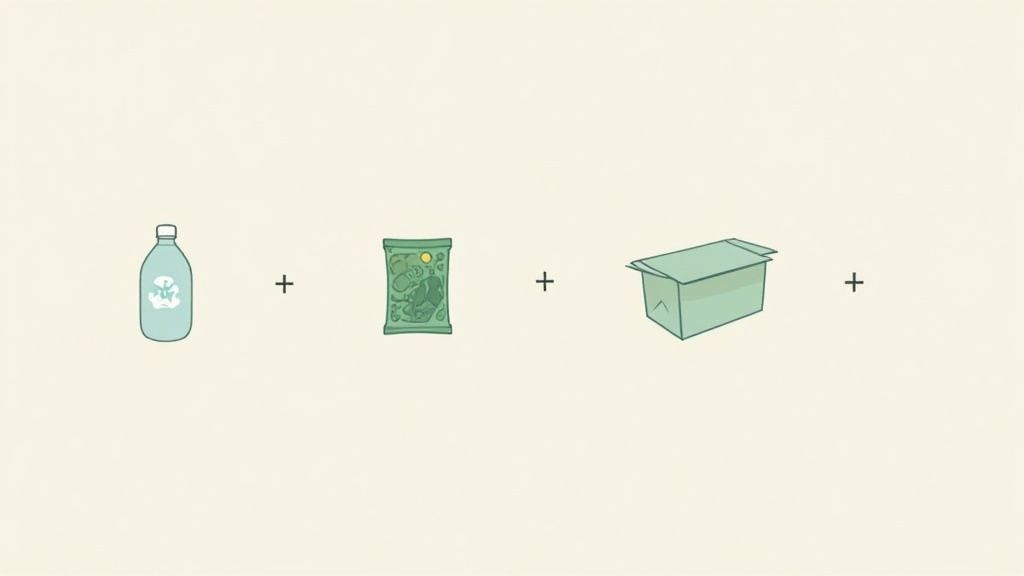
Choosing the right material is probably the biggest decision you can make when it comes to sustainable packaging. Cardboard is the obvious starting point for most of us, but the options today go way beyond a simple paper box. We’re talking everything from good old recycled materials to some seriously cool stuff grown from plants.
Here's the thing, though: there’s no single “perfect” material. It just doesn’t exist. The best choice is always a strategic one that depends on what you're protecting, what the recycling or composting setup looks like in a particular area, and the true environmental footprint of the material from start to finish.
A super recyclable material in one city could easily end up in a landfill in the next town over. And that compostable pouch? It’s only a win if it actually makes it to a facility that can handle it. Let’s dive into the main categories to get a feel for these trade-offs.
The Power of Recycled Stuff
Using recycled materials is a huge piece of the puzzle. It’s all about giving existing resources a second, third, or even fourth life, which means we don't have to keep digging up or cutting down new stuff. This move saves resources, cuts energy use, and lowers greenhouse gas emissions.
Two of the most common players you’ll see are:
- Post-Consumer Recycled (PCR) Paper & Cardboard: This is the classic recycled box. It's made from paper and cardboard that we've all used and tossed into the recycling bin instead of the trash. It's fantastic for shipping mailers, product boxes, and all that filler stuff inside.
- Recycled PET (rPET): This is plastic made from recycled drink bottles and other containers. Using rPET is a game-changer because it keeps plastic out of our oceans and landfills and takes way less energy to make than brand-new plastic.
This isn’t a small niche, either. The recycled materials packaging market is already worth USD 189.92 billion and is expected to hit USD 245.56 billion by 2029.
Cool New Plant-Based Options
Beyond recycling, there’s a whole new world of materials emerging from renewable, plant-based sources. The goal for many of these is to be biodegradable or compostable, returning to the earth once they're done. For a deeper look, check out our post on biodegradable materials for packaging.
Some of the most exciting ones include:
- Mushroom Packaging: Seriously! It’s made from mycelium (the root part of mushrooms) and agricultural leftovers, which are literally grown into custom shapes. It’s a brilliant, fully compostable replacement for styrofoam.
- Seaweed Packaging: Harvested from a super fast-growing resource, seaweed can be turned into edible films or bioplastics that break down quickly and naturally.
- Cornstarch PLA (Polylactic Acid): This is a common bioplastic you’ve probably seen. It’s made from fermented plant starch and looks and feels a lot like regular plastic, but it’s designed to be composted in commercial facilities.
A Critical Caveat: That "compostable" label isn't a magic wand. These materials need the specific high-heat conditions of an industrial composting facility to break down properly. If they land in a landfill, they can release methane, a nasty greenhouse gas, making them no better—and sometimes worse—than traditional plastics.
The Beauty of Keeping It Simple
Sometimes, the smartest solution is the simplest one. Enter monomaterials—packaging made from just a single type of material. Think of an aluminum can, a glass jar, or a flexible pouch made from only one kind of plastic.
This is a big deal because it makes recycling incredibly easy. Packaging made from mixed materials, like those coffee bags with plastic fused to paper, are a nightmare for recycling centers and usually just get thrown out. By sticking to one simple, identifiable material, brands make it way more likely their packaging will actually get recycled.
It all comes down to thinking carefully about what the product needs and where it's going to end up. To see this in action, it's interesting to read about why our seasonings come in cans to understand the logic behind a brand choosing a specific monomaterial. This simple design philosophy is a quiet but powerful part of creating truly sustainable packaging.
How Smart Design Maximizes Sustainability
Choosing a sustainable material is a great start, but it's only half the story. Even the most eco-friendly material can turn into a pile of waste if the packaging design itself is clunky and thoughtless. Smart design is the secret sauce that turns a good material choice into something truly sustainable, focusing on minimalism, efficiency, and what happens after you unbox your product.
Think of it like cooking. You can buy the best organic veggies, but if your recipe has you peel them, chop off the ends, and throw half of it away, you haven't really cooked a sustainable meal. The same idea applies here. The goal is to design waste out of the system from the get-go.
This means asking some tough questions before a single box is even folded. Is this extra layer of paper actually necessary? Can we make this package smaller? And most importantly, what is the customer supposed to do with this when they're done?
Lightweighting and Right-Sizing
Two of the most impactful design moves are lightweighting and right-sizing. Lightweighting is just what it sounds like: reducing the weight and thickness of packaging materials without letting your product get smashed. This simple tweak has a massive ripple effect—lighter packages mean less fuel to transport them, which cuts down on shipping emissions every step of the way.
Right-sizing is the antidote to the dreaded "box-within-a-box" problem. We've all been there: you order a tiny lipstick and it arrives in a giant box, floating in a sea of plastic air pillows. It’s not just annoying, it’s incredibly wasteful.
By matching the packaging size precisely to the product, brands can ditch all that excessive filler like bubble wrap or packing peanuts. This move cuts down on material use and shrinks the package's volume, letting more products fit into a single shipment.
Design for Disassembly
Another key idea is design for disassembly. This just means making sure a consumer can easily pull apart the different pieces of a package to recycle or compost them properly. A classic recycling fail is when materials are glued together permanently, like a plastic window fused to a cardboard box.
When materials are mixed like that, recycling centers often can't separate them and have no choice but to send the whole thing to a landfill. A smart designer sees this problem coming and creates packaging that comes apart with zero fuss.
You can get there with some clever engineering, like:
- Using tabs and folds instead of super-strong glue.
- Printing directly onto a box instead of slapping on a plastic-coated label.
- Making sure different materials (like a paper sleeve on a glass jar) slide right off without needing scissors.
Minimalism and Material Choice
At the end of the day, the most sustainable designs are often the simplest. Minimalist packaging doesn't just look clean and modern; it naturally uses fewer resources. This philosophy goes all the way down to the inks and glues used.
For example, forward-thinking brands are now using non-toxic, soy-based or water-based inks that don't release nasty chemicals or contaminate the recycling stream. Likewise, choosing adhesives that are biodegradable or easy to separate helps the packaging live a better life after it’s been used.
Axiology is a perfect example of this in action. We create products that barely need any packaging to begin with. Our signature paper-wrapped Balmies show how rethinking the product itself can lead to an inherently low-waste design. When you design for the end, you create a much better beginning.
How to Evaluate and Choose Sustainable Options
Trying to navigate the world of sustainable packaging can feel like a pop quiz you didn't study for. With so many different materials and confusing claims, how can you tell what's a genuine commitment and what's just clever marketing?
The secret is looking past the fluffy buzzwords like "eco-friendly" and starting to ask some pointed questions. It’s about being armed with a little knowledge about what those stamps and labels on a box actually guarantee.
Choosing the best option isn't about finding one "perfect" material—that's a myth. It's about making a smart, informed decision that works for your product and, just as importantly, for your customers' real lives. A compostable container sounds amazing, but it's only a win if your customers actually have access to industrial composting. That recyclable jar? It’s only doing its job if local facilities can actually process it.
This practical mindset is what turns good intentions into real-world positive impact.
Decoding Common Sustainability Labels
Let’s be honest, those little logos on the back of a package can be confusing. Certifications are your best friend here. They cut through the noise because they're verified by impartial third parties, confirming a package meets specific, measurable standards. Think of them as a seal of approval in a very crowded market.
To help you get started, here's a quick rundown of what some of the most common and trustworthy labels actually mean.
| Certification/Label | What It Guarantees | Common Misconceptions |
|---|---|---|
| Forest Stewardship Council (FSC) | The paper or wood comes from responsibly managed forests that are audited for environmental and social standards. | It doesn't mean the product is 100% recycled; it can be made from virgin fibers, but they are sourced ethically. |
| BPI Certified Compostable | The material has been proven to break down safely in an industrial composting facility within a set timeframe. | This is not the same as biodegradable. It won’t break down in your backyard compost pile. |
| How2Recycle | A standardized labeling system that provides clear instructions on how to properly recycle each component of a package. | It's a guide, not a guarantee of recyclability. You still need to check if your local facility accepts the material. |
Basically, if you see a vague term like "biodegradable" or "earth-friendly" without a solid certification to back it up, your greenwashing alarm should be going off. True sustainability is transparent and verifiable, not hidden behind fuzzy language.
This simple decision tree shows how core principles like making things lighter, sizing them right, and designing them to be taken apart all lead to a more sustainable final product.
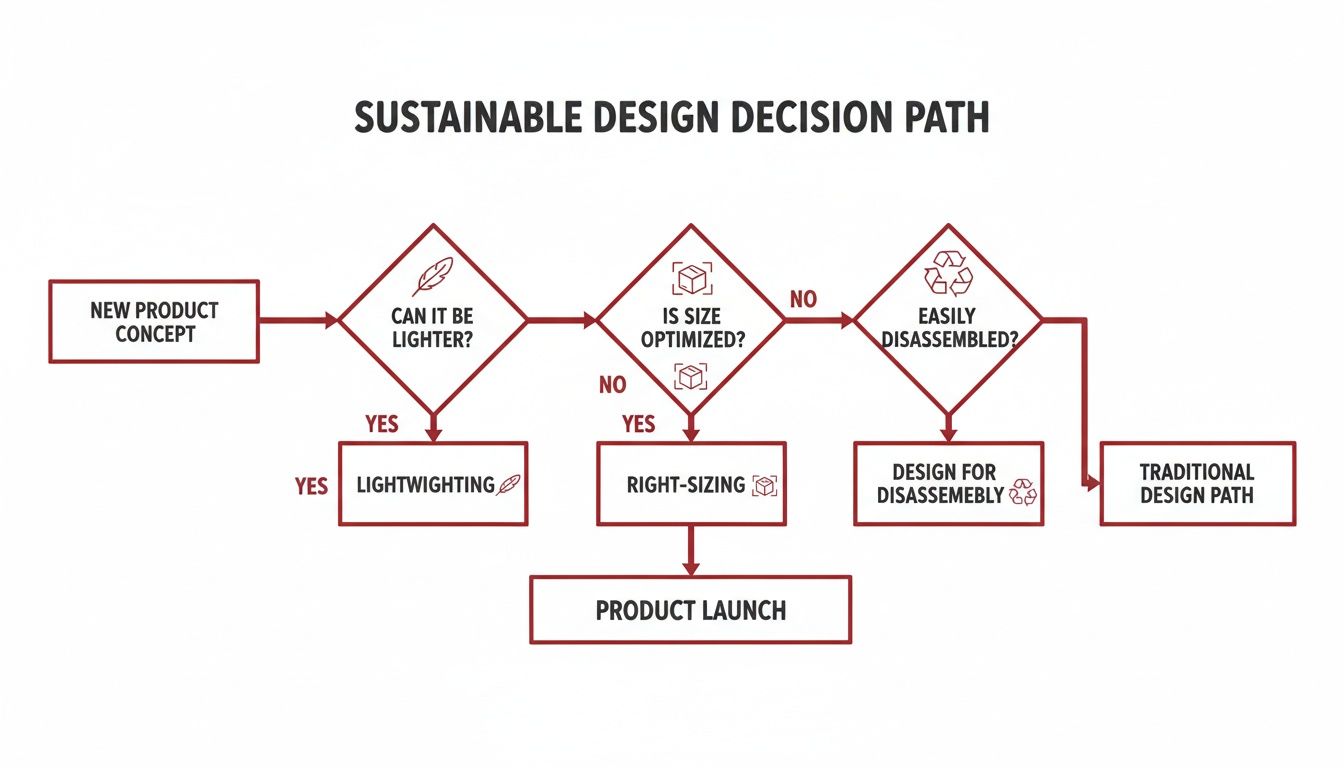
As you can see, smart design isn’t one big move. It’s a series of thoughtful choices aimed at cutting waste at every single step.
Your Evaluation Framework
Whether you’re a shopper in the aisle or a brand owner choosing your next container, having a simple framework can make all the difference. It’s time to move past the surface-level claims and dig into the nitty-gritty of a package's entire life.
Start by asking these three questions:
-
Is it made from recycled or renewable stuff? This is a huge one. Giving priority to materials already in the system, like post-consumer recycled (PCR) paper or rPET, is a powerful first step. If you have to use new materials, make sure they come from renewable, well-managed sources (that’s where that FSC logo comes in).
-
Can it actually be recycled or composted where it ends up? This is the million-dollar question, and it completely depends on location. A package is only as sustainable as the system available to handle it at the end of its life. Check your local recycling guidelines or see if commercial composting is even an option in your area.
-
Does the brand tell you what to do with it? A truly committed brand doesn't just make the package; it helps you close the loop. Look for clear on-pack instructions, like the How2Recycle label, or details on their website explaining exactly how to dispose of their packaging.
By using these certifications and this simple framework, you can cut through the marketing hype and confidently pick packaging that genuinely aligns with your values. It’s an approach that ensures your choices are contributing to a healthier planet, one package at a time.
A Beauty Brand’s Journey to Plastic-Free Packaging
It’s one thing to talk about sustainable principles, but it’s another to see them in action. For real inspiration, let’s look at the beauty industry—an industry notorious for its over-the-top packaging and reliance on plastics that are nearly impossible to recycle. Single-use containers are the name of the game, and true recyclability often feels like an afterthought.
This is the exact challenge Axiology decided to tackle. The brand was founded on a mission to create vegan, cruelty-free, and ethical makeup, but they quickly realized their commitment had to go deeper. It had to include the packaging, too. This wasn't just about swapping one material for another. It meant completely rethinking how a beauty product is made, packaged, and ultimately, used by customers.
It all started with a simple, powerful idea: plastic is a polluting mess, and it just didn't jive with a brand built on kindness. Axiology set a goal to create zero-waste products that left nothing behind, which meant they had to break away from industry norms.
Engineering a Compostable Lipstick Tube
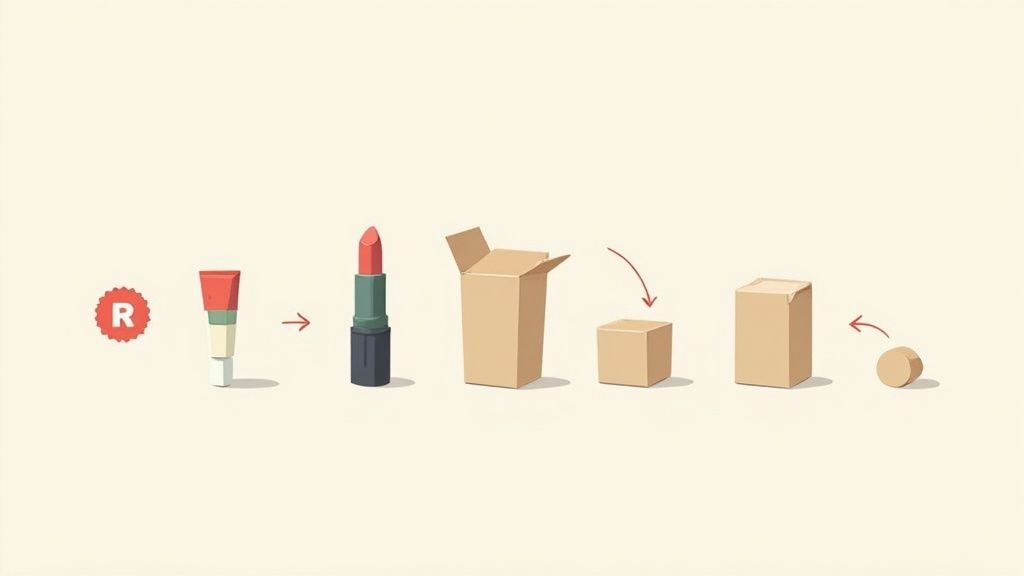
One of the biggest culprits was the classic lipstick tube. It’s a complicated little thing, made of multiple bits of plastic and metal that make it a recycling nightmare. So, instead of trying to build a “better” plastic tube, Axiology's founder, Ericka Rodriguez, decided to get rid of it completely. This led to the creation of the brand’s hero product: Balmies.
Balmies are 3-in-1 color crayons that are totally tubeless. They’re simply wrapped in recyclable paper and tucked into a recyclable box. This wasn’t just a packaging tweak; it was a total product reinvention. By designing the product and its minimal wrapper to be one cohesive thing, the brand dodged the plastic problem altogether.
For products that still needed a box, the hunt was on for the right paper. The checklist was non-negotiable:
- 100% Recycled: It had to come from post-consumer waste, meaning no new trees were harmed in the making of their packaging.
- Ethically Produced: Made in a facility that cared about its people and the planet.
- Locally Sourced: To cut down on the carbon footprint from shipping materials across the globe.
After a long search, Axiology found a paper mill in Bali that was collecting paper trash from local hotels, schools, and offices. This partnership wasn't just about finding the right material; it was about supporting a local, circular economy.
The result is a box that feels like handmade paper, because it is. It’s a little piece of art that tells a story, turning local waste into something beautiful and useful. It’s the brand's ethos, right in your hands.
The Trade-Offs and Triumphs of Going Plastic-Free
Of course, this journey wasn't without a few bumps. Paper packaging can be more delicate than plastic, so it needs a little extra care. A big part of the brand’s mission became teaching customers how to use and dispose of the packaging. For instance, you push the paper-wrapped Balmies up from the bottom—a simple motion, but new for most people used to twist-up tubes.
But the commitment was worth it. By pioneering a plastic-free approach, Axiology built a loyal community of conscious beauty lovers and showed the rest of the industry what’s possible. Their story proves that true sustainable packaging isn't just about switching materials. It's about creative problem-solving, thoughtful design, and a real dedication to a cleaner planet.
The brand is still innovating, proving you don’t have to pick between high-performance makeup and a healthy planet. You can learn more about their unique philosophy on plastic-free beauty products. Their journey is a powerful roadmap for any brand that’s ready to make a real change.
Common Questions About Sustainable Packaging
Diving into sustainable packaging can feel a bit like falling down a rabbit hole. The more you learn, the more questions pop up. As we all try to make better choices, it's totally normal to get stuck on the tricky "what ifs" and "which is better" debates. This section is here to clear things up.
We’ll tackle some of the most common (and complicated) questions with straightforward answers to help you see past the clever marketing and make choices that genuinely help our planet.
Is Compostable Packaging Always Better Than Recyclable Packaging?
Not always. It’s one of those "it depends" situations, and what it depends on is local infrastructure. Compostable packaging is only a win if it actually makes it to an industrial composting facility. These facilities create the perfect storm of heat and moisture needed for the material to break down properly.
If that compostable cup ends up in a landfill, it can release methane—a greenhouse gas way more potent than carbon dioxide. So, if you live somewhere with a fantastic, easy-to-use recycling program, a highly recyclable material like aluminum or certain plastics (especially those with recycled content) is often the better bet. It keeps valuable materials in the loop.
The key is choosing the option that has the best chance of actually being recovered and reprocessed where it's being used and thrown away.
What Is the Biggest Challenge Facing Sustainable Packaging Today?
Honestly, one of the biggest hurdles is the gap between what is technically recyclable and what is actually recycled. So many materials are designed with recycling in mind, but the reality on the ground is way messier.
A few things feed into this problem:
- Lack of Access: Plenty of communities still don't have good curbside recycling programs.
- Consumer Confusion: Let's be real—it can be tough to figure out what goes in the bin, and one wrong item can contaminate the whole batch.
- Economic Hurdles: Sometimes, making something from brand-new virgin materials is cheaper than using recycled content, which weakens the whole system.
Closing this gap isn't a simple fix. It's going to take real investment in our recycling infrastructure, clearer education for all of us (like the How2Recycle label), and smarter policies that make recycled materials a more valuable and reliable commodity.
How Can a Small Business Start Implementing Sustainable Packaging?
If you’re running a small business, a total packaging overhaul can sound pretty intimidating. The good news? You don't have to do it all at once. A few smart, manageable steps can make a huge impact.
Start with a simple packaging audit. Where can you trim the fat? Look for extra layers, inserts, or fillers that aren't necessary. The easiest first step is often "right-sizing" your boxes to get rid of void fill like plastic air pillows.
Next, prioritize materials with high recycled content, like shipping boxes or mailers made from recycled paper. That’s a direct way to support a circular economy. Also, try to simplify by sticking to monomaterials—using just one type of material instead of mixed components that are a headache to separate and recycle.
Finally, just be clear with your customers. Add simple disposal instructions to your packaging or website to help them close the loop. Starting small with reduction and recycled content is often more impactful (and affordable) than jumping straight to complex biomaterials.
Does Biodegradable Mean the Same Thing as Compostable?
Nope, and this is probably one of the most important things to understand. These terms are definitely not interchangeable, and the difference is massive.
"Biodegradable" is a super vague and often misleading term. All it means is that something can be broken down by microorganisms over time. But it doesn't say how long or under what conditions. A log is biodegradable, but it takes decades. A plastic bag might technically biodegrade over hundreds of years. See the problem?
"Compostable," on the other hand, is a specific, scientific term. For a product to be certified compostable (like meeting the ASTM D6400 standard), it has to be proven to break down into non-toxic bits within a set timeframe (90-180 days) in a controlled industrial composting facility.
When you're looking at packaging, always search for the term "certified compostable" and pretty much ignore claims of being "biodegradable." More often than not, it's just greenwashing.
At Axiology, we believe true sustainability means asking these tough questions and creating real, practical solutions. Our commitment to being plastic-free isn't just a marketing goal; it's at the very core of who we are. Explore our collection of zero-waste makeup and see how beautiful sustainability can be at https://www.axiologybeauty.com.