Alright, let's cut through the marketing fluff and get real about what "biodegradable" actually means.
At its most basic, biodegradable packaging is made from stuff that tiny microorganisms—like bacteria and fungi—can chow down on and break back down into natural bits like water, carbon dioxide, and organic matter. Think of an apple core you toss into the bushes. A few weeks later, it’s basically gone, returned to the soil. That’s nature’s recycling program, and that’s biodegradation in a nutshell.
So, What's The Big Deal With Biodegradable Packaging?
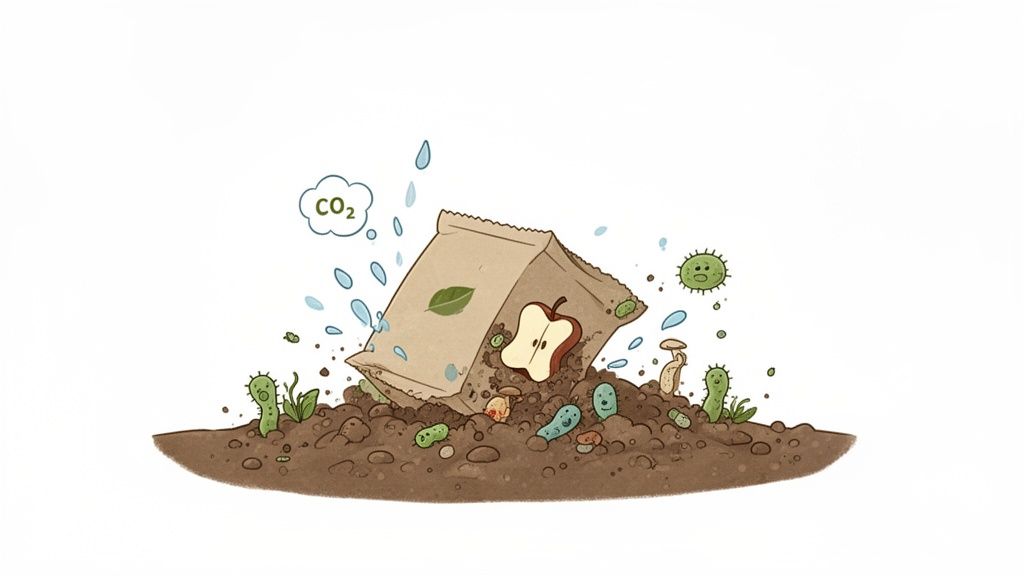
While that definition seems simple enough, the word "biodegradable" gets tossed around a lot, often without the full story. Just seeing that label on a product isn't a free pass for your eco-conscience. The truth is, its real environmental value hangs on two make-or-break factors: how fast it disappears and under what exact conditions.
Here’s the catch: without the right setup—we’re talking specific temperatures, moisture levels, and the right kinds of microbes—a lot of so-called biodegradable materials will just sit there for years, not much different from regular plastic. Context is everything. A lipstick tube that breaks down perfectly in a high-tech industrial composting facility probably won't do much in your backyard compost heap. And in a landfill? Forget about it. It’s likely to be entombed for ages, deprived of the oxygen it needs to decompose.
To give you a quick cheat sheet, here’s a simple breakdown of the core concepts.
Biodegradable Packaging At A Glance
| Concept | Simple Explanation |
|---|---|
| What It Is | Any material that can be broken down by natural microorganisms into organic matter, water, and CO2. |
| How It Works | Tiny living things like bacteria and fungi "eat" the material, returning its components to the earth. |
| The Catch | It requires specific conditions (heat, moisture, microbes) to break down properly and within a reasonable time. |
| Common Myth | It's not a magic solution; it won't just disappear if you toss it anywhere, especially not in a landfill. |
| Key Takeaway | Look for specifics: Where does it break down, and how long does it take? |
Understanding these points is the first step to seeing past the greenwashing.
The Rush for Greener Options
This nuance is becoming a bigger deal as we all look for better, more sustainable alternatives. The market for biodegradable packaging is exploding—it's expected to jump from around USD 531.1 billion in 2025 to an incredible USD 1,025.6 billion by 2035. This isn't just a trend; it's a massive shift away from our plastic addiction, pushed by shoppers who are tired of the waste and new rules cracking down on pollution. You can dig into the market shift data to see just how fast things are changing.
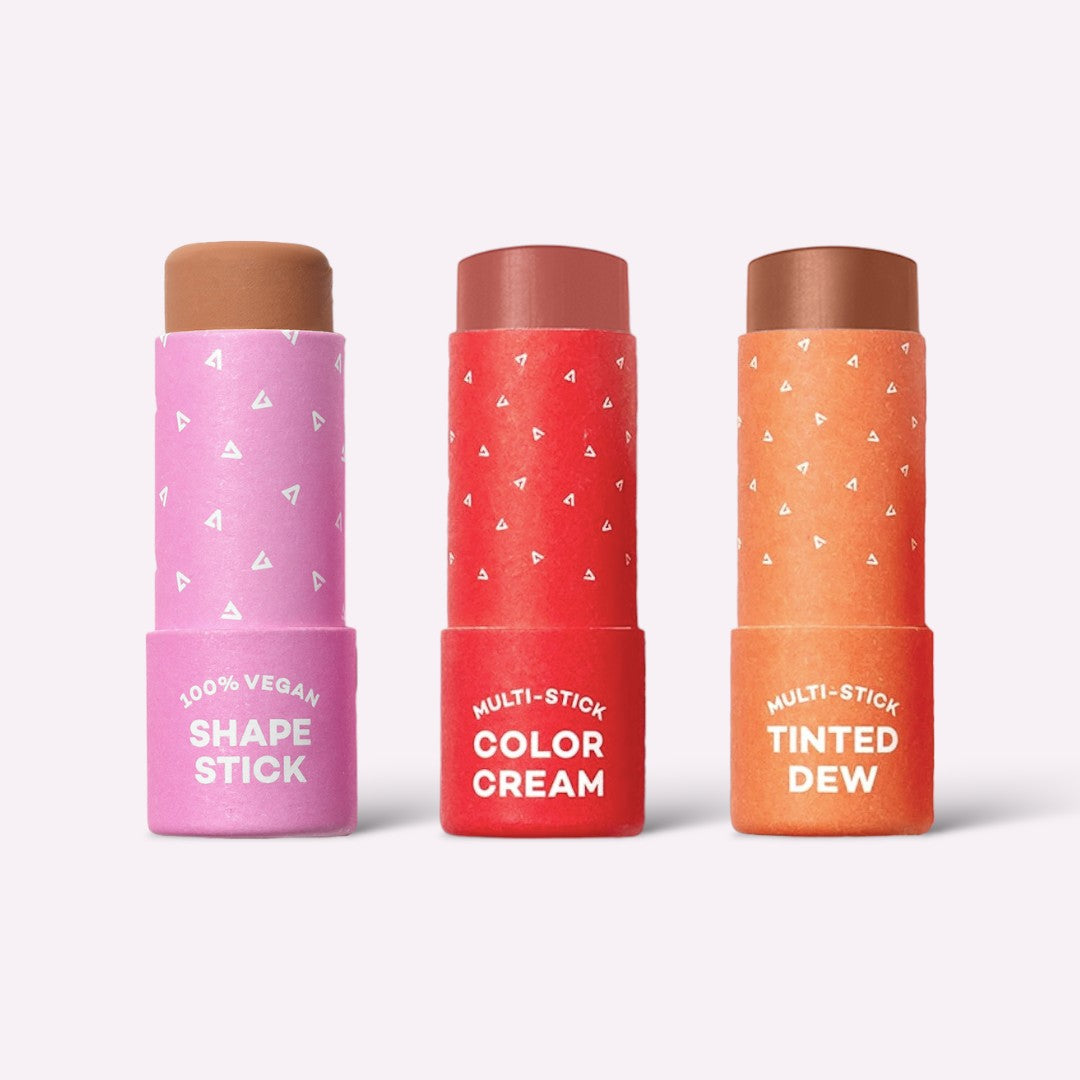
This is exactly what inspires brands like Axiology to think differently. By creating completely plastic-free products, they’re not just swapping one material for another—they’re redesigning beauty from the ground up to eliminate waste entirely.
The whole point of biodegradable packaging is for it to return to the earth without leaving a mess. It’s meant to work with nature’s cycles, not against them like traditional plastic that sticks around for hundreds of years.
So, when you're trying to figure out what biodegradable packaging is, you have to go beyond the label. You need to ask the tough questions:
- Where does it actually break down? (Is it meant for a home compost bin, or does it need a special industrial facility?)
- How long is this going to take? (Are we talking 90 days or a few years?)
- And what’s left when it's gone? (Is it healthy soil, or are we left with nasty microplastics?)
Getting answers to these questions is how we can all start making smarter, genuinely sustainable choices, whether we're in the beauty aisle or anywhere else.
So, How Does This Biodegradation Thing Actually Work?
When we say a container is biodegradable, what does that really mean? It’s not magic, but it is a pretty fascinating biological feast put on by nature’s tiniest cleanup crew: microorganisms.
Think of bacteria, fungi, and other microbes as a specialized culinary team. When they come across organic stuff—like a paper lipstick tube or a mailer made from cornstarch—they get to work, releasing enzymes. These enzymes are like their microscopic knives and forks, slicing and dicing the complex structures of the packaging into smaller, more manageable pieces.
Once the material is broken down into these bite-sized bits, the microbes can actually absorb and digest them. In doing so, they transform the packaging into simple, natural components that blend right back into the environment. No harm, no foul.
The Perfect Recipe for Breaking Down
But here’s the catch: this microbial feast only happens if the conditions are right. For biodegradation to work the way it’s supposed to, you need a few key ingredients. Without this specific "recipe," even a truly biodegradable item can stick around for years, not much better than the plastic it replaced.
The three non-negotiables are:
- The Right Temperature: Microbes have a sweet spot. They’re most active when it’s warm. Cold temperatures slow them way down, while the controlled, toasty environments in an industrial composting facility kick the process into high gear.
- Plenty of Moisture: Water is life, especially for microbes. A dry environment, like a tightly sealed landfill, basically puts the brakes on the whole process by dehydrating the very organisms needed to do the job.
- Lots of Oxygen: Most of the microbes involved are aerobic, meaning they need oxygen to breathe and function. This is a huge reason why biodegradable packaging often fails in a landfill—those places are specifically designed to be oxygen-free zones.
When all these conditions line up perfectly, certified materials can break down in as little as 90 to 180 days. Compare that to conventional plastic, which can hang around for hundreds, if not thousands, of years, shedding toxic microplastics the whole time.
From Your Makeup Drawer Back to the Earth
Let's trace the journey of a biodegradable package once it’s tossed in the right environment. First, microbes flock to its surface and start colonizing. They begin secreting those enzymes we talked about, breaking down the material and using the organic matter for energy.
As they work, they release simple, natural byproducts: mainly carbon dioxide (CO2), water (H2O), and biomass—a super nutrient-rich organic material that makes soil healthier. Essentially, nature fully recycles the material, closing the loop by returning its building blocks to the earth.
This is a world away from the lifecycle of traditional plastics. Petroleum-based plastics are made from stuff that’s totally foreign to these microorganisms; they just don’t have the right tools (enzymes) to digest them. So instead of biodegrading, these plastics just sit there, polluting our oceans, landscapes, and even our bodies for centuries. It’s a pretty stark difference that shows the real power of working with nature’s systems, not against them.
Biodegradable vs. Compostable vs. Recyclable
Okay, let's clear the air. The words biodegradable, compostable, and recyclable get tossed around so much they start to sound the same. They’re not. Each term describes a totally different end-of-life path for your beauty packaging, and knowing the difference is everything if you want to make choices that are actually good for the planet.
Let's break it down with a simple kitchen analogy.
Recycling is like washing out that fancy glass jam jar to use again for your overnight oats. You’re taking an existing item, cleaning it up, and giving it a whole new job. The material itself gets another life instead of being tossed.
Biodegradable is like an apple core you might toss into the bushes on a hike. Eventually, nature’s own cleanup crew—a bunch of hungry microbes—will get to work and break it down. But here’s the catch: there's no set timeline. It could take years, especially in a place like a landfill where there's hardly any oxygen for those microbes to breathe.
Compostable, however, is like actively managing a compost pile in your backyard. You’re not just leaving things to chance; you’re creating the perfect hot, steamy, and airy environment for microbes to thrive. This turns your food scraps into rich, healthy soil, and it happens way faster. It’s a deliberate process designed for a specific, beneficial result.
The Key Distinctions
Here’s the one thing you really need to remember: all compostable packaging is biodegradable, but not all biodegradable packaging is compostable. It’s a crucial difference.
To earn that "compostable" label, an item has to break down into non-toxic, organic goodness within a specific window—usually 90 to 180 days in a controlled industrial facility. A lot of materials labeled "biodegradable" just can't meet that strict deadline.
This whole process relies on a few key ingredients, which is what this little map shows.
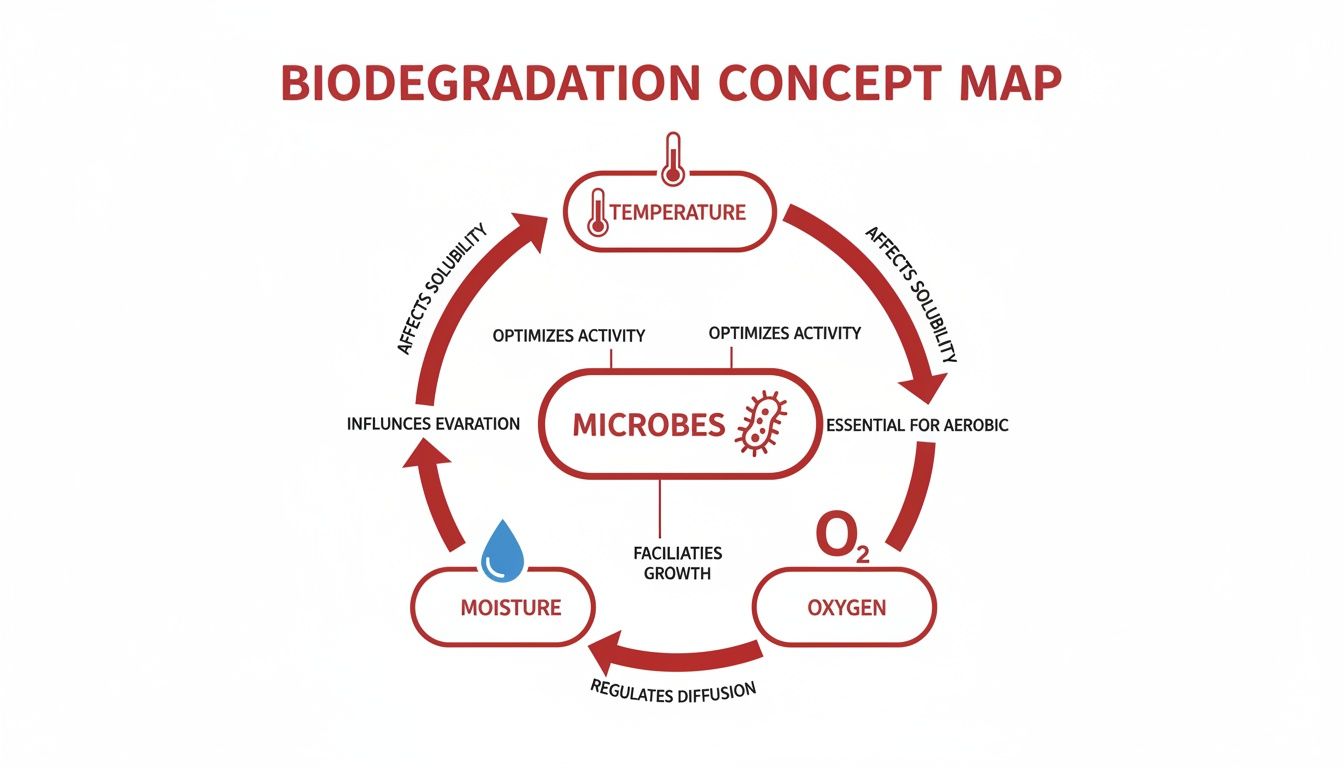
As you can see, it's that perfect mix of temperature, moisture, and oxygen that really gets the microbes fired up to do their job.
Comparing Your Options Side-By-Side
To make it even clearer, let's put these three options head-to-head. Each one has its own process, timeline, and proper disposal method that ultimately shapes its real-world impact.
The biggest difference comes down to the conditions needed for breakdown. Compostable materials need the high-heat, controlled chaos of an industrial composting facility to decompose quickly. A landfill or even your backyard compost bin often just won’t cut it.
Here’s a simple table to help you keep it all straight.
Comparing Sustainable Packaging Options
| Attribute | Biodegradable | Compostable | Recyclable |
|---|---|---|---|
| Process | Breaks down naturally via microorganisms into organic elements, water, and CO2. | Breaks down into nutrient-rich humus in a controlled, high-heat environment. | Materials are reprocessed at a facility to create new products. |
| Timeframe | Varies wildly; can take many years depending on the material and conditions. | Must break down in 90-180 days under specific commercial composting conditions. | Depends on collection schedules and processing efficiency. |
| End Result | Organic matter, water, CO2. Can leave behind residue if not fully decomposed. | Non-toxic organic matter (humus) that improves soil quality. | New raw materials like plastic pellets, paper pulp, or aluminum ingots. |
| Disposal | Varies; often requires specific industrial facilities, not suitable for landfills. | Commercial composting facility; some are certified for home composting. | Designated municipal recycling bins, separated by material type. |
Ultimately, understanding these nuances helps you see past the greenwashing and choose packaging that truly aligns with your values. It’s not just about the label; it’s about where it ends up.
Common Biodegradable Materials You'll Actually See
Alright, now that we’ve got the science down, let's bring this back to the real world—specifically, the beauty aisle. When you see a brand committed to going plastic-free, they're turning to an awesome and growing list of natural, biodegradable materials. These aren't just pie-in-the-sky ideas; they're real alternatives you can find on shelves right now.
This shift is making waves way beyond cosmetics, too. The food and beverage industry, which makes up a huge 42% of the biodegradable packaging market, is leading the charge. This just goes to show how big the movement is to ditch single-use plastics—the kind that dumps 8 million tons of waste into our oceans every single year.
Unlike plastics that can stick around for over 400 years, these certified biodegradable options are designed to be broken down by microbes in just a few months. That’s a massive difference.
Plant-Based Plastics And Biopolymers
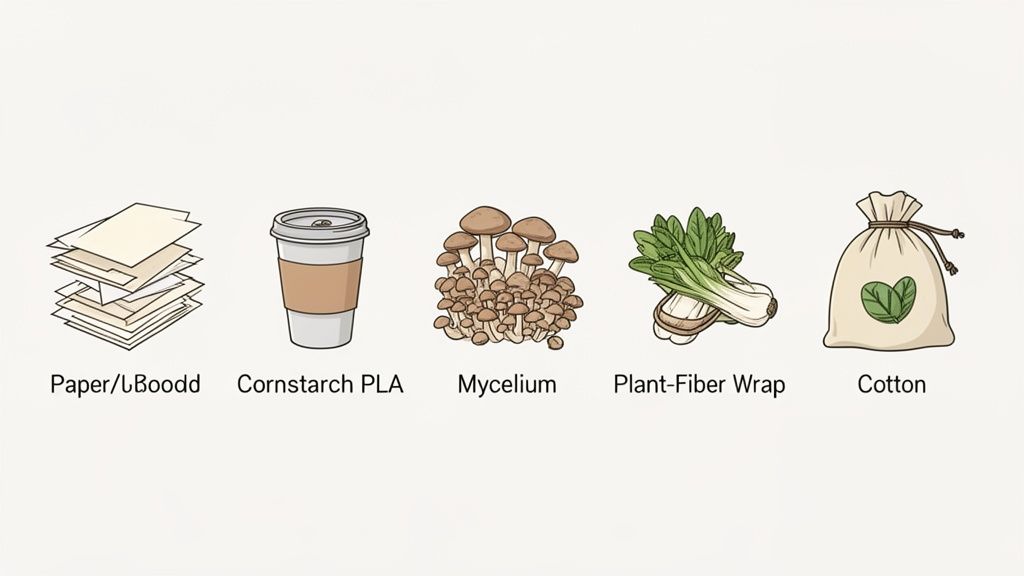
One of the most popular alternatives you’ll see is PLA (Polylactic Acid). It’s usually made from fermented plant starches like corn or sugarcane. The cool part is that it can be molded into familiar shapes that look and feel just like traditional plastic containers, making it a go-to for everything from takeout bowls to cosmetic jars.
While it mimics plastic, its plant-based roots mean it can biodegrade—but it needs the right conditions found in an industrial composting facility. You'll also hear about PBAT, a compostable polymer often mixed with PLA to make things like mailer bags more flexible and tough.
Paper And Cardboard
You can't forget the original biodegradable packaging. Paper and cardboard are still fantastic, widely available options. Sourced from wood pulp, these materials aren't just biodegradable; they're also super easy to recycle and even compost at home.
A brand’s choice of material speaks volumes. Axiology, for instance, packages its innovative Fungdation in a sugarcane-based tube, showcasing how even complex products like foundation can be housed in entirely plant-derived, biodegradable packaging. This thoughtful choice eliminates plastic from the equation entirely.
To really get a feel for how brands are pushing for change, it helps to see what’s possible. You can learn more about how to spot different biodegradable materials for packaging in our detailed guide.
Cool New Natural Materials
Beyond the usual suspects, some truly forward-thinking materials are popping up:
- Mushroom Packaging: Yes, really. It’s made from mycelium—the root structure of mushrooms—and is literally grown into custom shapes. It’s an amazing, lightweight, and completely home-compostable alternative to Styrofoam.
- Cellulose Packaging: Made from natural sources like wood and cotton, cellulose creates clear films that are perfect for wrapping products. It’s moisture-resistant and fully biodegradable.
Seeing these materials in action makes sustainability feel so much more achievable. Conscious brands are proving every day that a future without plastic isn't just a dream—it's already being built.
How to Spot Genuinely Sustainable Packaging
Navigating the world of eco-friendly claims can sometimes feel like a guessing game. But here’s the good news: you don't need a degree in environmental science to spot the real deal.The secret is learning to look past the vague marketing fluff and hunt for actual proof. Genuinely sustainable packaging is always backed by data, transparency, and credible third-party certifications.
Watch out for generic terms like "earth-friendly" or "green" on a package. These are often red flags. Without a specific certification or explanation to back them up, these phrases are usually just "greenwashing"—marketing spin designed to make a product seem more sustainable than it actually is. Instead, train your eyes to look for official logos from trusted organizations.
Look for Credible Certifications
Third-party certifications are your best friend in the beauty aisle. They’re proof that a product's packaging has been rigorously tested and meets strict standards for biodegradability or compostability. Think of them as a seal of approval from an unbiased expert.
Some of the most common and trustworthy certifications to look for include:
- BPI Certified: This logo from the Biodegradable Products Institute is the gold standard in North America. It guarantees a product is compostable in industrial facilities.
- OK compost HOME: This certification from TÜV AUSTRIA means you can toss the item directly into your backyard compost bin.
- OK compost INDUSTRIAL: This one indicates the packaging must be sent to a commercial composting facility to break down properly.
Beyond the material itself, truly sustainable packaging is often part of a much larger commitment to sustainable supply chain practices and green warehousing initiatives. This big-picture focus shows a brand is thinking about its entire environmental footprint, not just a single product.
For a deeper dive into making smart choices, check out our complete guide to eco-friendly packaging in cosmetics.
The presence of a certification logo transforms a vague claim into a verifiable fact. It shifts the burden of proof from you, the consumer, to the brand, which has invested in legitimate testing to validate its environmental promises.
This demand for verifiable claims is driving major market shifts. North America and Europe are leading the charge in adopting biodegradable packaging, with North America projected to capture 36.0% of the global market in 2025.
This growth is fueled by people like you. In fact, 72% of shoppers say they would switch brands for more sustainable packaging options. Your choices are making a real difference and shaping the future of the industry.
The Pros and Cons of Biodegradable Packaging
No packaging material is a silver bullet, and when it comes to biodegradable options, we have to get real about what they can and can’t do. While these materials are super promising, they come with some serious real-world limitations. Let's get into it.
The good news is pretty compelling. Biodegradable packaging, when it actually breaks down the right way, can make a real dent in the plastic trash choking our oceans and landscapes. Plus, since they’re often made from renewable stuff like cornstarch or sugarcane, they can have a smaller carbon footprint than old-school, petroleum-based plastics.
The Upside of Going Biodegradable
- Less Plastic Pollution: When these materials fully decompose, they go back to nature. Plastic, on the other hand, sticks around for literally centuries.
- Made from Renewable Stuff: Many biodegradable options come from plants, which helps us cut back on our addiction to finite fossil fuels.
- Lower Carbon Footprint: The process to make some bioplastics can pump out fewer greenhouse gases, which is a big win.
But—and this is a big but—the challenges are just as significant. The single biggest problem? Most biodegradable plastics won’t break down in a typical landfill.
Landfills are designed to be totally oxygen-free to stop things from decomposing. Without oxygen, the little microbes needed to break everything down can't do their job, basically mummifying the packaging for years.
The Challenges and Limitations
This leads to a massive issue: if biodegradable packaging does manage to break down in that oxygen-free landfill, it can release methane. And methane is a greenhouse gas that’s way, way more damaging to the climate than carbon dioxide. Yikes.
On top of that, many of these materials need the super high heat and specific microbes found only in an industrial composting facility to properly disappear. The problem is, most of us don’t have access to one of those, leaving us with no great way to dispose of the packaging. If you want to dive deeper into how some brands are tackling this, check out these innovative biodegradable alternatives to plastic.
So, while biodegradable packaging feels like a step in the right direction, its success really hinges on building out the right disposal systems and educating everyone on how to use them. Without that, it's just a good idea with no way to work in the real world.
Your Biodegradable Packaging Questions, Answered
As you get deeper into the world of sustainable beauty, a few key questions about biodegradable packaging always seem to pop up. Let’s tackle some of the most common ones and clear the air.
Getting these details right is the first step to making choices that actually help the planet.
Does Biodegradable Packaging Break Down in a Landfill?
Almost never. And this is a huge catch. Landfills are intentionally designed to be low-oxygen environments to stop things from decomposing and leaking out. It’s like a giant tomb.
Since most biodegradable materials need oxygen and busy little microbes to break down, they just end up mummified in a landfill, pretty much like regular old plastic. This means tossing them in the trash completely defeats the purpose. They need to go to a proper composting facility to work their magic.
Is All Bioplastic Biodegradable?
Nope, and this is probably the biggest source of confusion out there. The term "bioplastic" just means the plastic came from a renewable source like cornstarch or sugarcane instead of petroleum. It says nothing about how it breaks down.
Some bioplastics, like bio-PET, are chemically identical to traditional plastic and belong in the recycling bin, not the compost. You have to look for specific "compostable" or "biodegradable" labels and official certifications to know for sure.
Quick tip: "Bio-based" is about where the material comes from (plants). "Biodegradable" is about where it goes (how it breaks down). They are not the same thing!
Can I Put Biodegradable Packaging in My Recycling Bin?
Please don't! This is a huge no-no. Tossing biodegradable or compostable plastics into the recycling stream is a major headache for recycling facilities. These materials are chemically different and can contaminate an entire batch of traditional recyclables like PET or HDPE.
When that happens, the quality of the final recycled material plummets, and sometimes the whole batch has to be thrown out. It's so important to keep biodegradable items out of your recycling. They belong in a commercial compost stream or, if certified for it, your home compost pile. Sorting things correctly is how you make sure both systems can actually work.
At Axiology, we believe sustainability shouldn't be confusing. By choosing to be completely plastic-free and using biodegradable materials, we help you care for yourself and the planet without all the guesswork. See our collection of conscious beauty products at axiologybeauty.com.